

Introduction to the 1950s and its impact on fashion
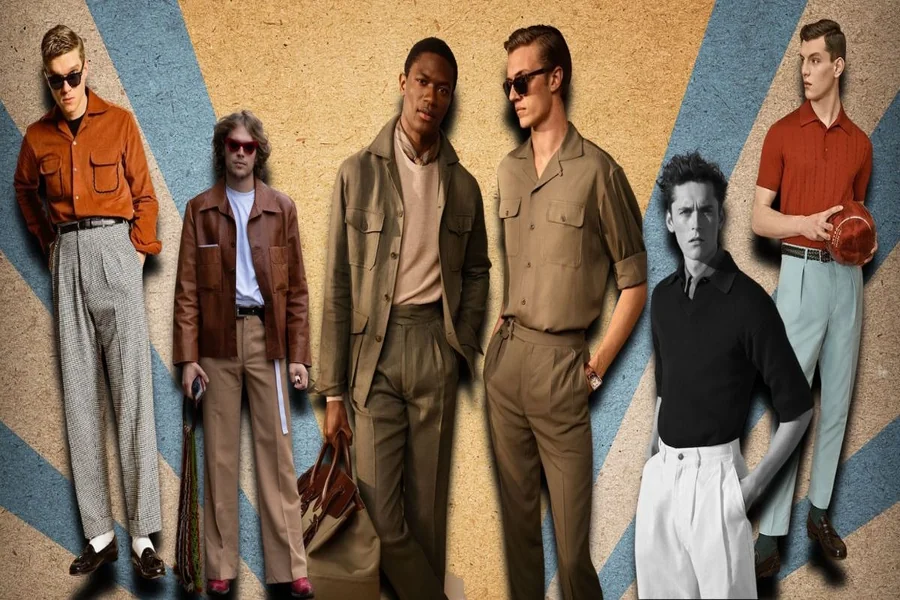
The 1950s were a time of transformation, not just in music and culture but also in fashion. As society shifted from the post-war years to a booming economy, men’s style reflected this vibrant change. Gone were the days of conservative attire; instead, bold choices emerged that defined an era. The likes of James Dean and Marlon Brando became icons not just for their talent but for their unmistakable sense of style.
- Introduction to the 1950s and its impact on fashion
- The influence of Hollywood on men’s fashion during this decade
- Key elements of 1950s men’s fashion, including suits, hats, and hairstyles
- The rise of casual wear and the birth of the
- Cultural and societal influences on men’s fashion in the 1950s
- How 1950s men’s fashion is still relevant today
This decade introduced us to clean lines, sharp suits, and casual wear that spoke volumes about individuality and rebellion. Whether it was a dapper suit or relaxed denim jeans paired with slicked-back hair, 1950s guys’ fashion made its mark on history—and continues to inspire contemporary trends today. Let’s dive into the defining features that characterized this iconic period in men’s fashion!
The influence of Hollywood on men’s fashion during this decade
Hollywood emerged as the epicenter of style in the 1950s, casting a powerful influence on men’s fashion. Iconic actors like James Dean and Marlon Brando defined what it meant to be cool. Their on-screen personas shaped trends that resonated with young men everywhere.
The silver screen showcased sharp suits and slick hairstyles, promoting an image of sophistication blended with rebellion. Fashion designers eagerly emulated these looks, creating tailored jackets and fitted trousers that became staples in every man’s wardrobe.
Movies also introduced casual styles that were previously unthinkable for men. The introduction of denim jeans transformed everyday wear. Suddenly, rugged yet stylish options were available for all occasions.
As audiences idolized their favorite stars, they sought to replicate their iconic styles off-screen. This interplay between cinema and fashion created a cultural phenomenon that would leave lasting impressions well beyond the decade itself.
Key elements of 1950s men’s fashion, including suits, hats, and hairstyles
The 1950s were a transformative time for men’s fashion. Suits took center stage, characterized by sharp tailoring and structured shoulders. Fabrics like wool and tweed became staples, offering both style and comfort.
Hats also played an essential role in defining the era’s looks. Fedoras and trilbies adorned many heads, adding an air of sophistication to everyday outfits. These accessories weren’t just functional; they completed the polished image that men aspired to project.
Hairstyles during this decade reflected confidence and individuality. The pompadour emerged as a favorite among young men, while slicked-back styles conveyed maturity. Hair products such as pomade became popular tools in achieving that immaculate look.
This combination of suits, hats, and hairstyles encapsulated the essence of 1950s guys fashion—a balance between elegance and a touch of rebellion that still resonates today.
The rise of casual wear and the birth of the
The 1950s marked a significant shift in men’s fashion with the rise of casual wear. This change reflected broader cultural transformations, as society embraced a more relaxed lifestyle.
Gone were the days when formal attire dominated everyday life. Men began to favor comfort and practicality without sacrificing style. The introduction of garments like chinos, polo shirts, and casual button-downs became staples in wardrobes across America.
This era also saw the popularity of T-shirts soar, thanks to Hollywood icons who made them synonymous with coolness. Actors such as Marlon Brando showcased how effortlessly chic casual clothing could be.
As leisure activities gained prominence, men started dressing for comfort during their time off work. This laid the groundwork for modern casual fashion that continues to evolve today while retaining its retro charm from the 1950s.
Cultural and societal influences on men’s fashion in the 1950s
The 1950s was a transformative time for men’s fashion, deeply influenced by cultural shifts. The post-war optimism shaped styles that embodied newfound confidence and prosperity.
Television played a pivotal role in spreading fashion trends. Icons like James Dean and Marlon Brando set the tone with their rebellious looks, inspiring young men to emulate their style.
Music also impacted clothing choices significantly. Rock ‘n’ roll emerged as a dominant force, promoting casual wear like leather jackets and denim jeans that became symbols of youth culture.
Moreover, societal norms began shifting during this decade. Traditional gender roles were challenged, allowing men more freedom in expressing themselves through varied attire.
This era laid the groundwork for personal expression in men’s fashion that would continue evolving in subsequent decades.
How 1950s men’s fashion is still relevant today
The influence of 1950s guys fashion continues to resonate in modern style. Elements from this iconic decade have made a remarkable comeback, blending seamlessly into today’s trends. The tailored suits and crisp shirts that defined the era are still favored for formal occasions. Many men embrace these classic silhouettes, often mixing them with contemporary touches for a fresh look.
Casual wear from the ’50s has also found its way back into wardrobes. Think fitted jeans paired with simple tees or button-ups—a combination that’s both timeless and trendy. Sneakers reminiscent of those worn by rock-n-roll stars remain popular, bridging the gap between nostalgia and comfort.
Moreover, hairstyles inspired by icons like Elvis Presley or James Dean are frequently seen on stylish men today. The slicked-back looks evoke confidence while allowing personal flair through variations in length or texture.
Fashion is cyclical, but what’s essential about 1950s men’s fashion is its ability to adapt while retaining core elements that define masculinity and elegance. This adaptability ensures that even decades later, the spirit of the ’50s remains alive in today’s sartorial choices—celebrating heritage while embracing innovation in men’s fashion.