


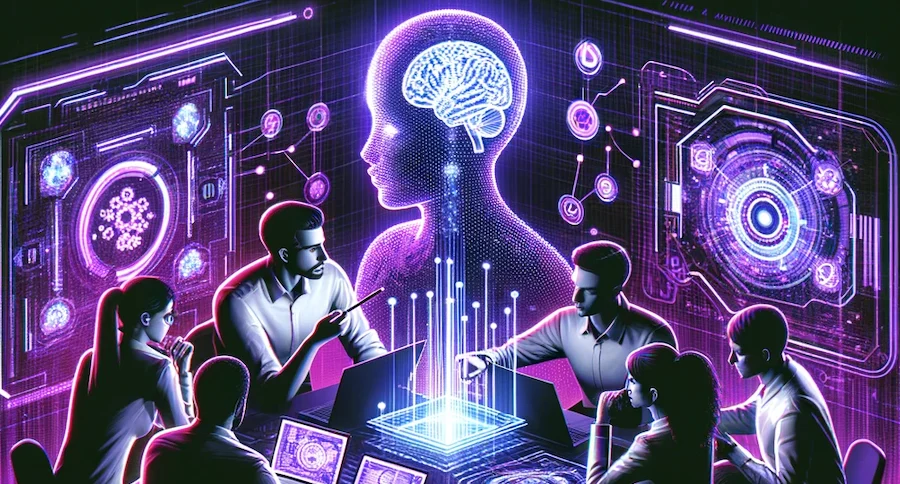
Introduction to Human in the Loop (HITL)
Artificial Intelligence (AI) is transforming the world around us, driving innovation and efficiency across numerous industries. However, even with its immense capabilities, AI often lacks a crucial element: human insight. This is where the concept of Human in the Loop (HITL) comes into play. By integrating human judgment into AI systems, we can enhance decision-making processes and improve outcomes significantly.
Imagine a powerful AI tool working hand-in-hand with skilled professionals who bring intuition and creativity to the table. The synergy between humans and machines not only amplifies productivity but also ensures that technology aligns more closely with real-world needs and ethical considerations. As we delve deeper into HITL, you’ll discover why designing these systems thoughtfully is essential for harnessing their full potential while addressing challenges along the way.
The Role of HITL in AI Systems
Human in the Loop (HITL) plays a crucial role in creating effective AI systems. By allowing human judgment to guide machine learning processes, HITL ensures that decisions made by AI are relevant and contextually appropriate.
Humans provide insights that algorithms alone cannot grasp. For instance, subjective nuances or cultural contexts often escape automated systems, leading to errors. Involving humans at key stages helps mitigate these risks.
Moreover, HITL facilitates continuous improvement of AI models. Feedback from human operators can refine algorithms over time. This iterative process enhances accuracy and adaptability.
In high-stakes environments like healthcare or finance, human oversight becomes even more critical. It bridges the gap between raw data analysis and real-world implications, ensuring that technology serves humanity effectively rather than replacing it entirely.
Benefits of Incorporating HITL in AI
Incorporating Human in the Loop (HITL) in AI systems significantly enhances accuracy. Humans can provide context and understanding that machines often miss. This leads to better decision-making.
Another benefit is increased adaptability. AI models trained with human feedback evolve more quickly, responding to real-world changes effectively. They learn nuances that purely data-driven models might overlook.
Additionally, HITL fosters trust among users. When people see humans overseeing AI processes, they are more likely to feel confident in its outputs. Transparency becomes a key factor.
Moreover, incorporating human insights can help identify biases in algorithms early on. This proactive approach promotes fairness and inclusivity within AI applications.
It allows for continuous improvement of systems through ongoing collaboration between humans and machines. This synergy creates robust solutions tailored to user needs and preferences.
Challenges of Implementing HITL
Implementing Human in the Loop (HITL) systems comes with its own set of challenges. One major hurdle is integration. Incorporating human feedback into existing AI frameworks can be complex, often requiring significant adjustments to infrastructure.
Another challenge lies in training. Humans must understand how to interact effectively with AI models. This process demands time and resources, which may deter organizations from fully embracing HITL.
Scalability poses additional difficulties. As systems grow or evolve, maintaining an effective HITL approach becomes more complicated. Ensuring that human involvement remains relevant and efficient as data increases can test even the most robust strategies.
Moreover, there’s the issue of bias. Human judgment isn’t immune to errors or preconceived notions, potentially skewing outcomes if not monitored closely. Balancing human input while minimizing these biases requires careful planning and constant evaluation within HITL processes.
Real-World Examples of Successful HITL Integration
One standout example of successful HITL integration is in the healthcare sector. AI systems assist doctors in diagnosing diseases by analyzing medical images. However, human experts review these AI-generated insights to ensure accuracy and make final decisions.
In financial services, companies are utilizing HITL to combat fraud. Machine learning algorithms flag suspicious transactions, but human analysts verify these alerts before any action is taken. This approach minimizes false positives and enhances security.
The automotive industry showcases another effective application. Self-driving cars rely on complex algorithms for navigation and obstacle detection, yet human input remains crucial during testing phases to refine decision-making processes.
Social media platforms employ HITL for content moderation. Algorithms filter out harmful content initially, while trained moderators assess flagged posts for context sensitivity and nuance—ensuring a balanced online environment.
Ethical Considerations for HITL
Ethical considerations play a crucial role in designing Human the Loop systems. The integration of human oversight raises questions about accountability and transparency. Who takes responsibility if an error occurs?
Bias is another significant concern. Humans can inadvertently introduce their own biases into AI processes, impacting decision-making and outcomes. This emphasizes the need for diverse teams during design phases to mitigate these risks.
Data privacy also comes into focus when involving humans in AI loops. Safeguarding sensitive information while still allowing effective human interaction with AI systems is essential.
Moreover, ensuring that HITL processes do not undermine user trust is vital. Users should feel confident that their data and decisions are handled ethically without compromising their autonomy or rights.
Ongoing training and education for those involved in HITL are necessary to maintain ethical standards throughout the system’s lifecycle.
Future Implications and Potential Growth
The future of Designing Human the Loop in AI systems is bright and full of potential. As technology evolves, we can expect more seamless integrations between human intelligence and machine learning.
Organizations are increasingly recognizing that human oversight enhances AI capabilities. This trend will likely lead to more robust collaborations where humans provide insight that machines cannot replicate.
Moreover, advancements in user interfaces may simplify interactions between AI systems and their human operators. This ease of use could encourage broader adoption across various sectors.
We might see HITL approaches tailored for specific industries, from healthcare to finance. Each sector has unique challenges requiring specialized solutions.
As the demand for ethical AI grows, integrating a human perspective will be crucial in ensuring accountability and transparency. The focus on designing effective HITL frameworks will pave the way for responsible innovation moving forward.
Conclusion
Designing Human the Loop systems is becoming increasingly vital as AI technology evolves. By integrating human judgment into automated processes, organizations can enhance accuracy and accountability in their AI outcomes. This approach not only mitigates risks but also ensures that systems remain aligned with ethical standards.
The future of HITL looks promising, with advancements in technology paving the way for more seamless integration. As industries continue to explore this model, we can expect significant improvements in how AI interacts with humans, ultimately leading to better decision-making and innovation across various sectors.
Embracing HITL could be a game changer for businesses looking to stay competitive while maintaining responsible practices. The collaboration between humans and machines will shape the next era of intelligent systems, making it an exciting time for developers and users alike.