


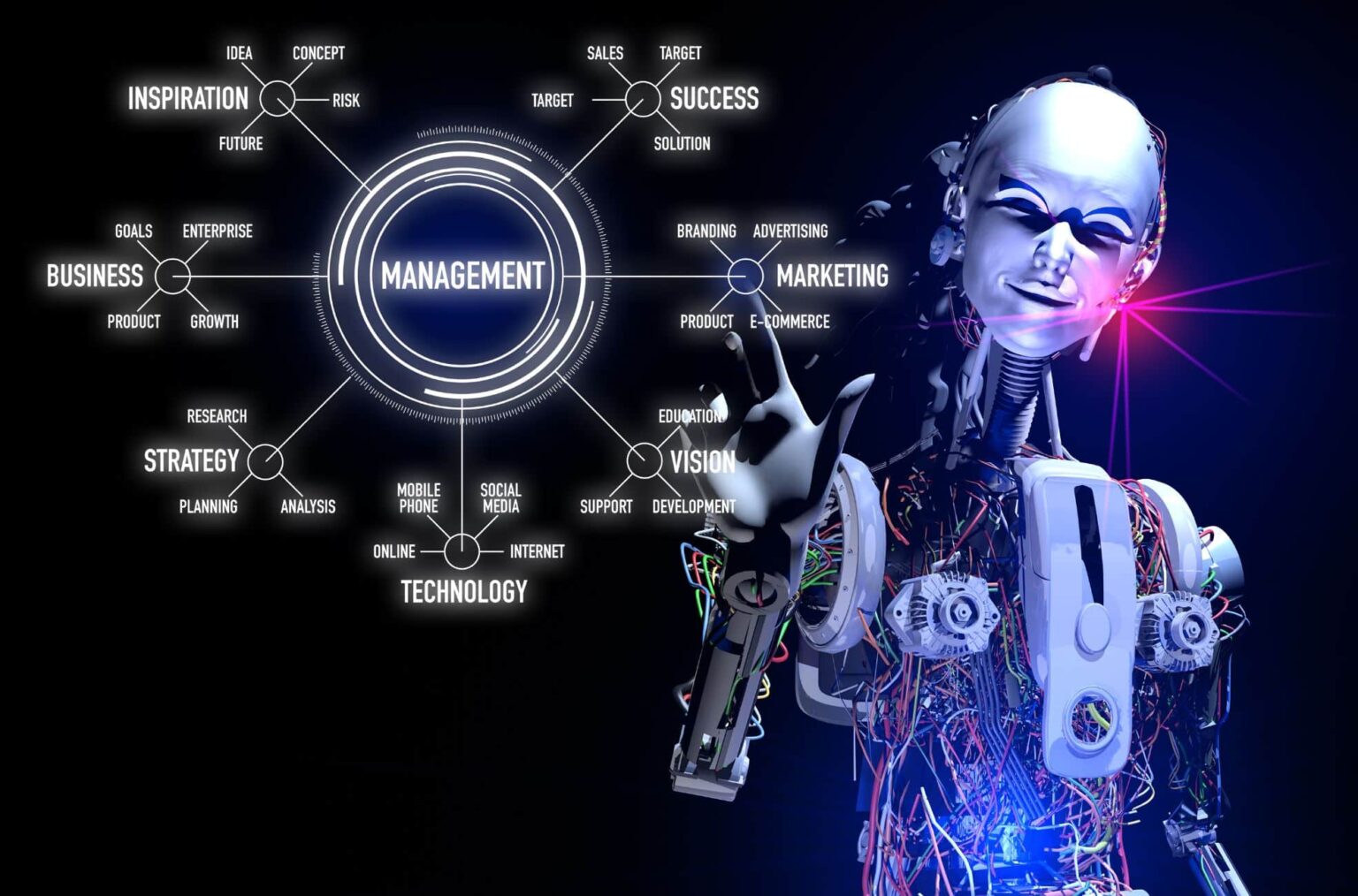
Introduction to Artificial Intelligence (AI)
Artificial Intelligence, often referred to as AI, is no longer just a concept from science fiction. It’s now an integral part of our daily lives, affecting everything from how we shop online to the way we interact with technology. The rapid development and implementation of AI have sparked conversations about its potential and significance for the future.
As we stand on the brink of an era dominated by intelligent machines, it’s essential to understand what artificial intelligence really means. How has it evolved? What advancements are reshaping various industries? More importantly, why should we care about its implications for society?
Join us as we delve into the fascinating world of artificial intelligence. Explore its history, applications across different sectors, benefits and challenges it presents—a journey that will enlighten you about a cornerstone of modern innovation shaping tomorrow’s world.
The History and Evolution of AI
The journey of artificial intelligence began in the mid-20th century. Early pioneers like Alan Turing and John McCarthy laid the groundwork for machines to mimic human thought processes.
In the 1950s, researchers created simple programs that could solve math problems or play games. These initial successes sparked enthusiasm but also led to periods of stagnation known as “AI winters,” where funding and interest waned.
The late 1990s saw a resurgence with advances in computing power and data availability. Breakthroughs in machine learning algorithms allowed systems to learn from vast datasets.
With the rise of deep learning in the 2010s, AI made significant strides. Technologies like neural networks became instrumental, enabling applications such as speech recognition and image classification.
Today, artificial intelligence continues to evolve rapidly. It integrates into everyday life through smart devices, healthcare innovations, and autonomous vehicles.
Advancements in AI Technology
Recent advancements in artificial intelligence have transformed the landscape of technology. Machine learning algorithms now process vast amounts of data, uncovering insights previously deemed impossible.
Natural language processing has reached new heights, enabling machines to understand and respond to human speech with remarkable accuracy. This leap enhances user experiences across various platforms.
Computer vision is another area witnessing rapid growth. AI systems can recognize and interpret images, allowing for innovations in fields like healthcare and security.
Robotics also benefits from these breakthroughs. Intelligent robots are becoming increasingly adept at performing tasks autonomously, improving efficiency in manufacturing and service industries.
Moreover, neural networks mimic human brain functions more closely than ever before. This evolution allows AI systems to learn continuously and adapt over time, driving further innovation across sectors.
These advancements not only push technological boundaries but also open doors to creative applications that were once thought unattainable.
Applications of AI in Different Industries
Artificial intelligence is transforming various industries, enhancing efficiency and innovation. In healthcare, AI algorithms analyze patient data to predict diseases and recommend personalized treatments. This leads to improved outcomes and quicker diagnoses.
The finance sector uses AI for fraud detection by identifying unusual patterns in transactions. Automated trading systems also leverage machine learning to optimize investment strategies.
In manufacturing, smart robots streamline processes on assembly lines. These machines increase production rates while minimizing errors.
Retail has seen a revolution with AI-driven chatbots that provide customer support 24/7. Personalized product recommendations enhance the shopping experience, driving sales growth.
Transportation benefits from AI as well; self-driving cars are no longer just concepts but are being tested on roads today. They promise greater safety and efficiency in urban planning and logistics.
Even agriculture employs AI technology for precision farming, optimizing crop yields through predictive analytics based on weather patterns and soil conditions.
Benefits of AI for Businesses and Society
Artificial intelligence is revolutionizing how businesses operate. Companies can automate routine tasks, freeing up employees to focus on more strategic initiatives. This leads to increased productivity and efficiency.
Moreover, AI enhances decision-making processes. Data-driven insights allow organizations to make informed choices that align with market demands. Predictive analytics help forecast trends, giving businesses a competitive edge.
For society, AI plays a crucial role in improving quality of life. From smart healthcare solutions that personalize treatment plans to autonomous vehicles that promise safer roads, the potential is vast.
Additionally, AI can tackle pressing social issues like climate change by optimizing resource management and energy consumption. It empowers communities by offering innovative solutions tailored to local needs.
The collaboration between humans and machines fosters creativity and innovation across various sectors. As we embrace this technology, the benefits will continue to unfold for everyone involved.
Ethical Concerns Surrounding AI
As artificial intelligence continues to develop, ethical concerns are rising. The potential for bias in AI algorithms is a significant issue. If the data fed into these systems is biased, the outcomes can perpetuate discrimination.
Privacy also stands as a major concern. With AI processing vast amounts of personal information, there’s fear over how this data is used and protected. Transparency becomes critical when users want to understand how their information influences decisions made by machines.
Moreover, job displacement due to automation raises alarms among workers across various sectors. As machines take on tasks previously done by humans, many face uncertainty about future employment opportunities.
Accountability remains a contentious topic. Who is responsible when an AI system makes a mistake? These questions highlight the need for clear guidelines and regulations surrounding artificial intelligence development and application in society.
The Future of AI and Its Impact on Society
The future of artificial intelligence holds immense potential to reshape society in profound ways. As AI technologies continue to evolve, they promise to enhance our daily lives. From smart homes that learn user preferences to automated systems that streamline tedious tasks, convenience is on the horizon.
However, this rapid advancement also raises questions about job displacement and economic inequality. Many fear that automation could replace numerous roles across various sectors. Addressing these concerns will require thoughtful dialogue and proactive measures.
Moreover, AI can drive innovation in healthcare by predicting patient outcomes and personalizing treatments. This capability might lead to better overall health management for communities worldwide.
Ethical considerations will play a crucial role as we navigate this landscape. Balancing progress with morality ensures that artificial intelligence serves humanity rather than undermines it. The relationship between technology and society demands continuous evaluation as we move forward into an AI-driven world.
Conclusion
Artificial intelligence is more than just a technological trend; it’s a transformative force that shapes our future. Its journey from theoretical concepts to tangible applications has been remarkable. As we explore the advancements in AI technology, it’s clear that its influence spans various sectors, enhancing efficiency and driving innovation.
The benefits of artificial intelligence are vast, extending beyond businesses to society as a whole. However, with great power comes responsibility. Ethical considerations must guide the development and implementation of AI systems to ensure they serve humanity positively.
As we look ahead, the potential impact of artificial intelligence on society is profound. It promises not only economic growth but also improvements in quality of life across numerous domains—healthcare, education, transportation, and many more.
Embracing this technology while addressing its challenges will be crucial for harnessing its full capabilities responsibly and effectively. The journey into an AI-driven future is just beginning; how we navigate it will define our world for years to come.