


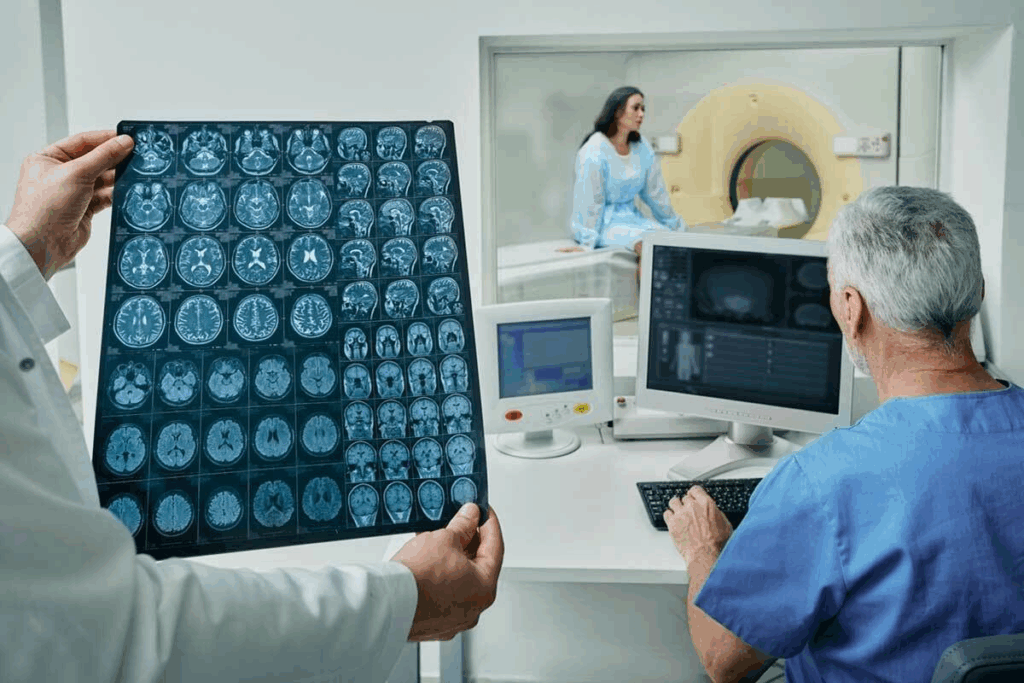
When it comes to diagnosing medical conditions, accuracy is everything. One of the vital tools in a physician’s arsenal is the CT scan—a powerful imaging technique that provides detailed cross-sectional images of the body. But what happens once those images are captured? This is where the CT scan report comes into play, serving as a crucial document that bridges the gap between imaging and diagnosis.
Understanding how this report functions can significantly impact treatment options and patient outcomes. It not only helps doctors identify problems but also guides them in crafting effective treatment plans tailored to individual needs. Curious about why a comprehensive CT scan report matters so much? Let’s delve deeper into its significance and discover how it shapes your path to better health.
Understanding CT Scans and their Purpose
CT scans, or computed tomography scans, are advanced imaging techniques that combine multiple X-ray images to create detailed cross-sectional pictures of the body. Unlike traditional X-rays, CT scans offer a more comprehensive view of internal organs, bones, and tissues.
These scans are used for various purposes—from diagnosing injuries to identifying tumors. They provide essential information that can guide medical decisions and interventions.
The speed at which a CT scan is performed is another advantage. A complete scan often takes just minutes, making it ideal for emergency situations where time is critical.
Doctors rely on these images not only for diagnosis but also for planning treatments. By visualizing complex structures in three dimensions, they can assess conditions with greater accuracy than ever before. This precision underscores the importance of CT technology in modern medicine.
How a CT Scan Works
A CT scan, or computed tomography scan, combines X-ray images taken from various angles. This technology creates cross-sectional views of the body, offering a detailed look at organs and structures.
During the procedure, a patient lies on a movable table that slides into a large circular machine. Inside this machine, an X-ray tube rotates around them. As it moves, it captures multiple images in seconds.
These images are sent to a computer where they are processed and compiled into slices of the scanned area. Radiologists can then examine these slices for abnormalities.
The precision of CT scans allows healthcare providers to identify issues like tumors or internal injuries more effectively than traditional imaging techniques. This advanced imaging method plays a crucial role in modern diagnostics and treatment planning.
Importance of a Detailed CT Scan Report
A detailed CT scan report is crucial for accurate diagnosis and effective treatment planning. It provides a comprehensive overview of the images captured during the scan, highlighting any abnormalities or areas of concern.
Radiologists meticulously analyze these images to identify conditions that may not be visible through other imaging techniques. This depth of detail helps healthcare providers make informed decisions about patient care.
Moreover, a thorough report serves as a reference point for future evaluations. It allows doctors to track changes over time, ensuring timely interventions when necessary.
Patients benefit from understanding their health status better when provided with clear interpretations in the report. Knowledge empowers them to engage in discussions about their condition and potential treatments.
Each element within the CT scan report plays an essential role in tailoring personalized medical approaches that enhance overall patient outcomes.
Information Included in a CT Scan Report
A CT scan report is a vital document that contains essential information about the imaging results. It typically starts with patient demographics and details about the procedure performed.
Next, it outlines the specific areas of the body that were scanned. This section helps define what conditions or issues are being investigated.
The findings are described in detail, noting any abnormalities such as tumors, fractures, or signs of infection. Radiologists provide clear descriptions to ensure precise understanding.
Additionally, measurements may be included for lesions or masses identified during the scan. These metrics help healthcare providers make informed decisions regarding treatment options.
Recommendations for further tests or follow-ups might also appear in this report. Such guidance assists physicians in developing comprehensive care plans tailored to individual needs.
Interpretation and Diagnosis
The interpretation of a CT scan report is a crucial step in the diagnostic process. Radiologists analyze the images for abnormalities, such as tumors, fractures, or infections. Their expertise helps to distinguish between normal variations and potential health issues.
Each finding is documented meticulously in the report. This ensures that healthcare providers have all necessary information at their fingertips. They can then correlate these findings with symptoms presented by the patient.
Effective communication between radiologists and referring physicians enhances understanding. It allows doctors to make informed decisions regarding treatment plans or further testing.
Clarity in reporting reduces ambiguity, leading to quicker diagnoses. The more precise the interpretation, the better equipped medical professionals are to address patients’ needs effectively. A well-prepared CT scan report truly becomes a roadmap for diagnosis and subsequent care strategies.
Benefits of Having a Clear and Accurate CT Scan Report
A clear and accurate CT scan report serves as a vital tool in the medical field. It provides precise information that can lead to timely treatment options.
When doctors have access to well-detailed reports, they can make informed decisions quickly. This reduces the risk of delays in diagnosis and improves patient outcomes significantly.
Additionally, an accurate report minimizes misunderstandings between healthcare providers. Clear communication fosters collaboration among specialists who may need to weigh in on complex cases.
Patients also benefit from a comprehensive understanding of their conditions. An easy-to-read report empowers them with knowledge about their health status and potential next steps.
Detailed reports aid in tracking changes over time. This is crucial for monitoring chronic conditions or evaluating the effectiveness of ongoing treatments.
Conclusion: The Role of CT Scans in Medical Diagnosis and Treatment
The importance of CT scans in the realm of medical diagnosis and treatment cannot be overstated. These advanced imaging techniques provide invaluable insights into a patient’s health status, allowing healthcare providers to diagnose conditions accurately and efficiently.
A detailed CT scan report serves as a critical tool for clinicians. It encapsulates crucial information about internal organs, structures, and any abnormalities present. This clarity helps doctors make informed decisions regarding further testing or immediate interventions.
Moreover, having an accurate and clear CT scan report enhances communication between healthcare professionals. It streamlines collaboration among specialists who may need to review the findings for comprehensive patient care.
Patients also benefit from understanding their CT scan reports. Knowledge empowers them to engage actively in discussions with their healthcare providers about potential treatments or next steps.
CT scans are not just images; they represent a vital part of modern medicine that aids in early detection, precise diagnosis, and effective treatment planning. Their role is integral in shaping outcomes for patients across various medical fields.