


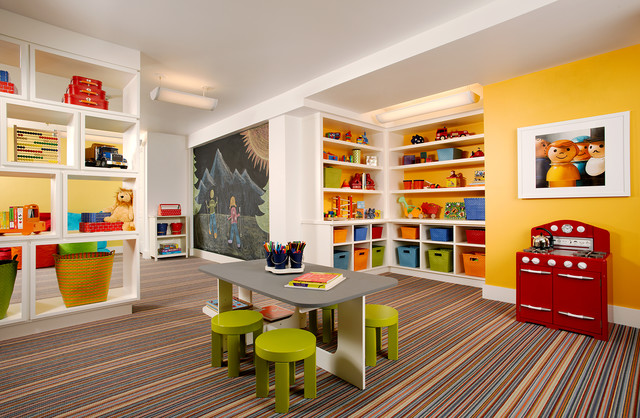
Introduction: The importance of creating a child-friendly home
Creating a child-friendly home is more than just a trend; it’s an essential part of parenting. It’s about crafting an environment where little ones can thrive, explore, and feel secure. Every corner of your home should invite curiosity while ensuring safety. As children grow and develop, they need spaces that encourage their imagination and learning.
- Introduction: The importance of creating a child-friendly home
- Ensuring Safety in the Home
- A. Securing Furniture and Electrical Outlets
- B. Proper Storage for Hazardous Materials
- C. Childproofing Cabinets and Drawers
- Promoting Development and Exploration
- A. Creating Learning Spaces
- B. Encouraging Play and Creativity
- Nurturing Emotional Well-Being
- A. Designing Comfortable Bedrooms
- B
A child-friendly home balances fun with functionality. It’s designed to support their emotional well-being as much as it protects them from potential hazards. Let’s dive into the key aspects that make a home truly child-friendly—because every family deserves a space where joy and growth go hand in hand.
Ensuring Safety in the Home
A child-friendly home prioritizes safety above all else. This means securing furniture to walls, preventing tipping accidents during playtime. Using anchors can help keep dressers and bookshelves stable.
Electrical outlets pose risks too. Investing in outlet covers is a simple way to block curious fingers from dangerous spots.
Hazardous materials should always be locked away. Cleaning supplies and medicines need proper storage out of reach or behind cabinet locks.
Cabinets and drawers are often overlooked but require attention as well. Childproof latches prevent little ones from accessing potentially harmful contents like sharp objects or choking hazards.
By taking these steps, parents create safer environments for their children to grow and explore freely while minimizing dangers lurking around the house. Making every room secure fosters peace of mind for caregivers too—allowing everyone to enjoy their time at home without worry.
A. Securing Furniture and Electrical Outlets
When creating a child-friendly home, securing furniture is essential. Heavy items like bookshelves and dressers can pose serious risks if they tip over. Anchoring them to the wall keeps little ones safe during their adventures.
Electrical outlets are another area that requires attention. Curious hands are always exploring, and open sockets can be tempting for children. Installing safety covers or using outlet plates with built-in protection ensures those tiny fingers stay away from potential hazards.
It’s also wise to arrange your space thoughtfully. Move furniture away from windows where kids might climb or lean dangerously. Keeping cords out of reach helps reduce the risk of tripping or pulling down electronics.
By taking these simple steps, you create an environment where your child can move freely without constant worry about hidden dangers around them.
B. Proper Storage for Hazardous Materials
Proper storage for hazardous materials is essential in creating a child-friendly home. Many everyday items can pose risks, from cleaning supplies to medications. Keeping these away from curious little hands prevents accidents.
Use high cabinets or locked storage spaces for potentially dangerous substances. Childproof locks are an effective solution that adds an extra layer of security without compromising accessibility for adults.
Labeling containers is another smart practice. Clear labels help everyone in the household identify what’s safe and what isn’t, making it easier to teach older children about dangers.
Consider investing in safety bins designed specifically for hazardous materials. These often come with tamper-proof features that provide peace of mind while maintaining organization.
Regularly review your stored items as well. Dispose of expired products safely and ensure nothing harmful lingers within reach. By taking these precautions, you create a safer environment where children can thrive and explore freely.
C. Childproofing Cabinets and Drawers
Childproofing cabinets and drawers is essential for any child-friendly home. Young children are naturally curious, often exploring spaces that can pose risks.
Start by installing safety locks on lower cabinets and drawers where cleaning supplies or sharp objects might be stored. These simple devices act as a barrier, preventing little hands from accessing potentially harmful items.
Consider using magnetic locks for a sleek look, or opt for traditional latches based on your preference. It’s also wise to assess the contents of each cabinet regularly. Remove anything that could be dangerous.
Additionally, teach kids about boundaries. While they may not understand everything at first, consistent reminders help reinforce safe habits over time. Making your home secure allows them to explore safely without constant worry.
Creating an environment where children can freely navigate fosters their independence while keeping dangers at bay.
Promoting Development and Exploration
A child-friendly home goes beyond safety; it fosters curiosity and growth. Designating spaces for learning can spark a passion for discovery. Whether it’s a cozy reading nook or an arts-and-crafts corner, these areas invite children to engage with their interests.
Encouraging play is equally vital. Open floor space allows kids to explore movement, while diverse toys inspire imaginative scenarios. From building blocks to dress-up costumes, options should promote creativity without limits.
Interactive elements like chalkboards or whiteboards can transform walls into canvases for expression, making learning dynamic and fun.
In this environment, children feel empowered to ask questions and pursue their ideas freely. A well-designed home acts as a canvas where they can paint their paths of exploration and development.
A. Creating Learning Spaces
Creating learning spaces in your child-friendly home is essential for fostering curiosity and knowledge. These areas should be inviting, bright, and filled with resources that spark imagination.
Consider designating a corner of the living room or a cozy nook in their bedroom. A small table with colorful chairs can serve as a mini classroom. Stock it with books, art supplies, and educational games to inspire ongoing exploration.
Incorporate elements like chalkboards or whiteboards for interactive learning experiences. Children love to express themselves through drawing or writing ideas down visually.
Don’t forget the importance of comfort. Soft rugs and cushions can make these spaces inviting while providing a relaxing atmosphere for reading or studying.
By thoughtfully creating engaging learning environments, you empower children to explore new concepts at their own pace while cultivating a lifelong love for education.
B. Encouraging Play and Creativity
Encouraging play and creativity is essential in a child-friendly home. A vibrant atmosphere inspires children to explore their imaginations.
Introduce open-ended toys like building blocks or art supplies. These options allow kids to express themselves freely, fostering both creativity and cognitive skills.
Designate spaces for different types of activities. Perhaps a cozy reading nook filled with books can spark curiosity about new worlds. Meanwhile, an arts corner stocked with paints and paper invites self-expression.
Consider incorporating sensory elements as well—textures, colors, and sounds stimulate young minds effectively.
Create opportunities for group play by including games that require teamwork and collaboration. This nurtures social skills while making fun memories together.
A room filled with possibilities cultivates confidence in your child’s abilities, encouraging them to dream big!
Nurturing Emotional Well-Being
Designing comfortable bedrooms is essential for nurturing emotional well-being in children. A cozy space allows kids to relax and feel secure. Soft bedding, calming colors, and personal touches can make a significant difference.
Incorporating areas for quiet time encourages self-reflection and peace. Consider adding a reading nook or a small tent where they can escape into their imagination.
Creating an environment filled with love fosters confidence and security. Involve your child in decorating choices; this empowers them and makes the space truly theirs.
A clutter-free room also contributes to mental clarity. Organizing toys and books helps children find comfort in their surroundings while reducing anxiety about chaos.
Encouraging routines around bedtime promotes stability, which is vital for emotional growth. Simple rituals like storytime or gentle music help signal that it’s time to unwind before sleep.
A. Designing Comfortable Bedrooms
Designing comfortable bedrooms for children is essential for their growth and relaxation. A cozy space helps create a sense of security, allowing them to unwind after a busy day.
Start with soft bedding in calming colors. Choose materials that are gentle on the skin, creating an inviting atmosphere. Layer blankets and pillows for added comfort, making it easy for little ones to snuggle up during nap time or bedtime.
Incorporate personalized elements like favorite themes or characters. This fosters a connection to their environment and makes the room feel like their own sanctuary.
Consider lighting carefully as well; adjustable lamps can provide both bright light for reading and softer tones for winding down at night.
Ensure there’s ample storage that encourages organization while keeping toys accessible yet tidy—a clutter-free space enhances tranquility in any child-friendly home.
B
Creating a child-friendly home goes beyond safety measures and developmental encouragement. It involves nurturing emotional well-being too. Comfortable bedrooms play a significant role in this aspect.
A cozy bedroom provides children with their personal space, where they can unwind after a long day of learning and playing. Soft bedding, calming colors, and comforting decor contribute to an inviting atmosphere that promotes relaxation. This environment not only ensures better sleep but also fosters independence as children learn to manage their own space.
Additionally, including elements like bookshelves filled with age-appropriate books or art supplies encourages self-expression and creativity within the comfort of their sanctuary. Personal touches allow kids to feel ownership over their rooms while connecting emotionally with their surroundings.
By prioritizing these aspects when designing your child’s living space, you create more than just a room; you cultivate an environment that nurtures growth on every level—physical, mental, and emotional. A truly child-friendly home is one where safety meets inspiration and love thrives throughout every corner.