


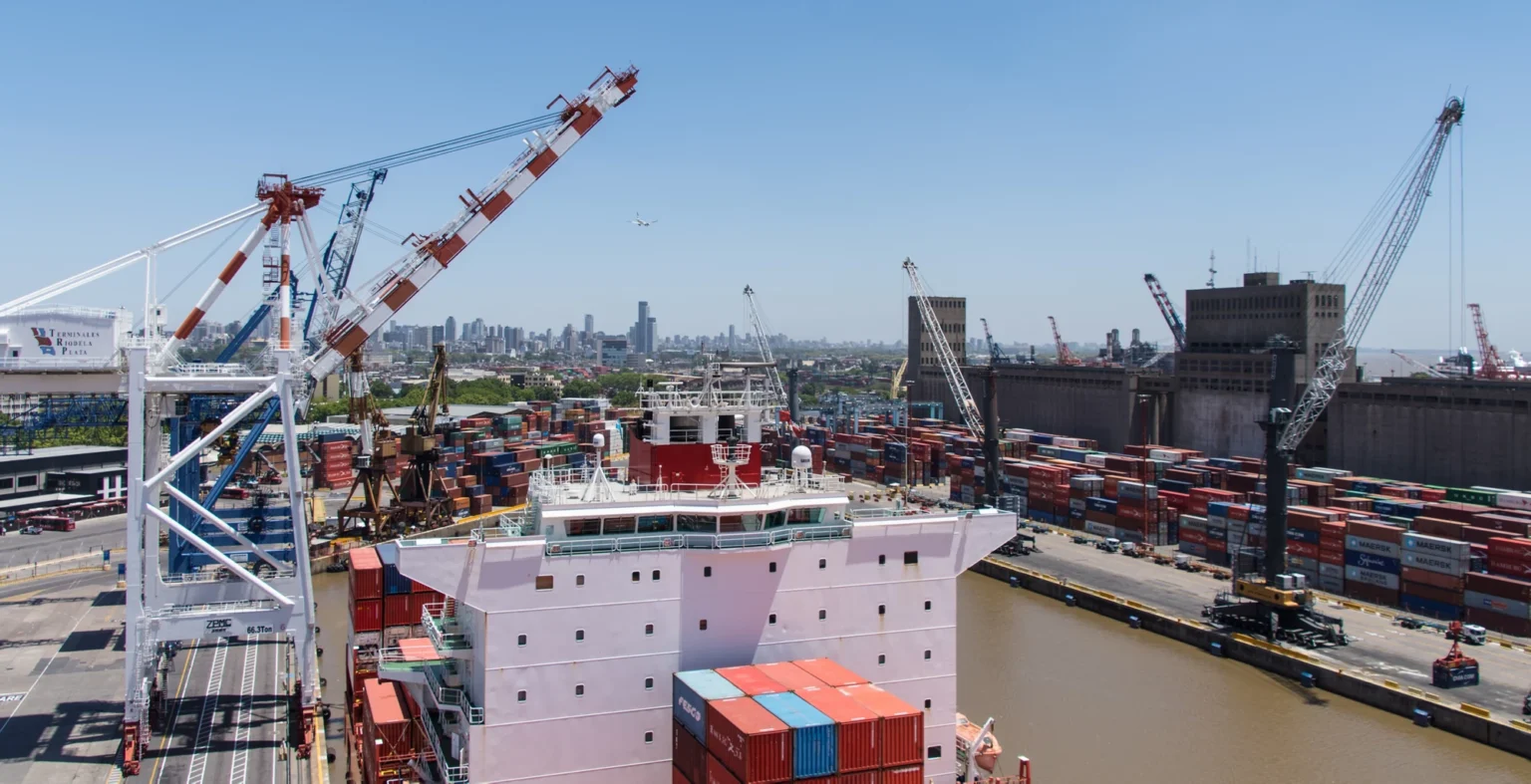
Introduction to freight terminals
Freight terminals play a crucial role in the logistics and transportation industry. They serve as hubs where goods are transferred between different modes of transport, making them vital for supply chains across various sectors. But not all freight terminals are created equal. When it comes to choosing between private and public options, many businesses find themselves at a crossroads.
- Introduction to freight terminals
- The difference between private and public freight terminals
- Advantages of a private freight terminal
- A. Customized services
- B. Better security measures
- C. Faster transit times
- Cost comparison between private and public options
- Case studies of companies that have switched to private terminals
- How to choose the right private freight terminal for your business
- Conclusion: Why investing in a private freight terminal can benefit your business in
Imagine having full control over your shipping processes, enjoying tailored services that meet your company’s unique needs while ensuring security and efficiency every step of the way. This is where private freight terminals shine bright—offering advantages that can elevate your logistics operation from ordinary to extraordinary.
As we dive deeper into this topic, you’ll discover what sets private freight terminals apart from their public counterparts and how they can significantly benefit your business’s bottom line. Let’s explore why making the switch could be one of the best decisions for optimizing your supply chain!
The difference between private and public freight terminals
Freight terminals are critical hubs in the supply chain, facilitating the movement of goods. However, not all terminals operate under the same model.
Public freight terminals serve a broad range of businesses and individuals. They often operate on a first-come, first-served basis. This means that users may face congestion during peak times, leading to delays.
Private freight terminals, on the other hand, cater specifically to individual companies or groups with shared needs. These facilities offer tailored services and dedicated access for their clients. With fewer users competing for space and resources, private options generally provide more efficiency.
Security measures also differ significantly between public and private options. Private terminals usually implement stricter protocols to protect sensitive cargoes from theft or damage.
Each type has its place in logistics; understanding these differences can help businesses make informed choices about their shipping needs.
Advantages of a private freight terminal
Private freight terminals offer a range of advantages that can significantly enhance logistics operations.
One key benefit is customized services. Unlike public options, private terminals cater to specific business needs. This means tailored solutions for loading, unloading, and storage processes.
Another advantage lies in security measures. Private facilities often have advanced security systems in place. Enhanced surveillance and restricted access help protect valuable shipments from theft or damage.
Faster transit times are yet another perk of using a private terminal. With dedicated resources and streamlined procedures, delays are minimized. Businesses can achieve quicker turnarounds, improving overall efficiency.
Additionally, the flexibility offered by private terminals allows companies to adapt their logistics strategies as needed. Whether scaling up during peak seasons or adjusting for fluctuating demand, these terminals provide the agility required for success.
A. Customized services
When it comes to logistics, one size rarely fits all. Private freight terminals understand this need for customization. They tailor their services to meet the specific demands of your business.
Need specialized handling? You got it. Require unique loading and unloading schedules? That’s easily arranged. This level of personalization allows companies to optimize their supply chain processes effectively.
With a private terminal, you can often select additional services such as packaging, warehousing, or even real-time tracking options that align with your operational needs. These customized solutions enhance efficiency and reduce potential delays in transit.
The flexibility offered by these terminals means you aren’t constrained by standard operating procedures typical of public options. Instead, you’re empowered to create a workflow that directly supports your business objectives and enhances overall productivity.
B. Better security measures
One of the standout features of private freight terminals is their enhanced security measures. Unlike public options, which often deal with high volumes and varied users, private terminals focus on a select clientele. This exclusivity allows for tailored security protocols that cater to specific needs.
Private freight terminals invest in advanced surveillance systems, including 24/7 monitoring and access control technology. These facilities typically employ trained personnel who specialize in security management. This ensures that every shipment is closely monitored from arrival to departure.
Moreover, the risk of theft or damage diminishes significantly when operating within a secure environment designed for specific businesses. Companies can feel confident knowing their cargo is protected against potential threats while en route to its destination.
The peace of mind gained through superior security not only protects assets but also fosters trust among clients and partners alike.
C. Faster transit times
Faster transit times are a significant advantage of private freight terminals. Companies utilizing these facilities often experience reduced delays and improved scheduling flexibility.
Private terminals prioritize efficiency. They streamline operations, ensuring that cargo moves swiftly from one point to another. This is especially important in industries where timing is critical.
With dedicated resources tailored for specific clients, there’s less congestion compared to public options. This focused approach minimizes the bottlenecks commonly seen at larger, shared hubs.
Additionally, private freight terminals often have direct access to major transportation routes. This strategic location can lead to quicker departures and arrivals for shipments.
By reducing wait times and enhancing overall logistics flow, businesses using private terminals can improve their supply chain effectiveness significantly.
Cost comparison between private and public options
When evaluating freight terminal options, cost plays a pivotal role. Public terminals often present lower upfront fees, appealing to businesses on tight budgets. However, these savings can be misleading.
Hidden costs frequently emerge with public terminals. Delays and inefficiencies might lead to increased demurrage fees or missed deadlines that affect your bottom line. The unpredictability of service can add stress and expense.
Conversely, private freight terminals may require a higher initial investment but offer predictable pricing structures tailored for your needs. This means you get what you pay for—reliable services without the hidden charges lurking in public systems.
Long-term savings are also worth considering; faster transit times and specialized handling at private facilities can reduce overall logistics costs significantly over time. A thorough appraisal reveals how the right choice impacts not just immediate expenses but long-range financial health as well.
Case studies of companies that have switched to private terminals
One notable example is a major electronics manufacturer that transitioned to a private freight terminal to streamline its supply chain. The company faced challenges with delays and inefficiencies at public terminals. After making the switch, they reported a 30% reduction in shipping times.
Another case involves an automotive parts supplier that struggled with security issues at public facilities. By opting for a private terminal, they enhanced their cargo protection protocols. This investment led to zero theft incidents over two years.
A regional beverage distributor also found success after moving to a private terminal. They enjoyed tailored services like temperature-controlled storage, which ensured product quality during transit. As a result, customer satisfaction scores rose significantly within months of the transition.
These examples illustrate how businesses across various sectors have benefited from making the leap to private freight terminals.
How to choose the right private freight terminal for your business
Selecting the ideal private freight terminal for your business requires careful consideration. Start by evaluating your specific logistical needs. Think about the volume of goods you handle and the types of services you require.
Next, research potential terminals in your area or strategic locations that align with your distribution network. Look into their facilities and equipment to ensure they meet industry standards.
Don’t overlook customer service. Engage with terminal representatives to gauge their responsiveness and willingness to customize services for you. Communication is key in this partnership.
Also, assess security measures at each facility. A reliable terminal should have advanced security protocols to protect your cargo.
Consider logistics technology integration capabilities. Modern terminals often offer digital tools that can enhance tracking and streamline operations, making it easier to manage shipments efficiently.
Conclusion: Why investing in a private freight terminal can benefit your business in
Investing in a private freight terminal presents numerous advantages that can significantly enhance your business operations. The customized services offered by these terminals cater specifically to the unique needs of your logistics requirements, ensuring efficiency and satisfaction. With better security measures in place, you can rest assured that your cargo is protected from potential risks.
Additionally, faster transit times mean quicker deliveries, which can improve customer satisfaction and keep your supply chain running smoothly. Although the upfront costs for a private terminal may be higher than public options, the long-term benefits often outweigh those expenses through improved operational effectiveness.
Case studies reveal how businesses have thrived after switching to private freight terminals. These companies experienced enhanced flexibility and responsiveness within their logistics processes—ultimately translating into growth and increased profitability.
Choosing the right private freight terminal involves assessing various factors such as location, available services, reputation, and customer support. By taking time to evaluate these aspects carefully, you position your business for greater success with streamlined shipping solutions tailored just for you.
The decision to invest in a private freight terminal could very well lead to transformative results for your business operations. As logistical demands continue to evolve rapidly across industries today—embracing this change may provide crucial competitive advantages moving forward.