


Introduction
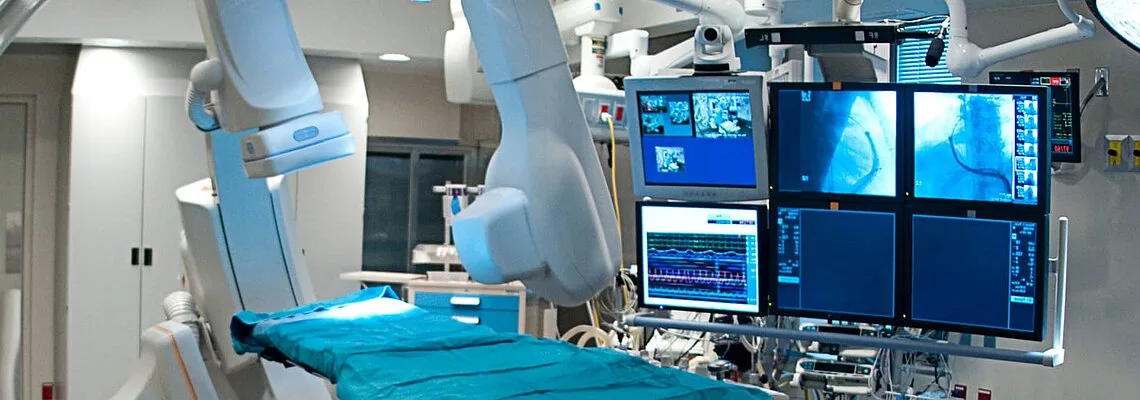
When you step into a hospital, the focus is often on patient care and medical expertise. But beneath the surface lies a vital component that ensures everything runs smoothly: the electrical systems. These intricate networks power life-saving machines, lighting, and critical equipment—making them essential for effective healthcare delivery. Without reliable hospital electrical systems, even the best medical professionals would struggle to provide optimal care. Let’s explore why these systems are so crucial and how they impact patient outcomes every day.
- Introduction
- Importance of Electrical Systems in Hospitals
- Types of Hospital Electrical Systems
- The Risks of Malfunctioning Electrical Systems
- Ensuring Safety and Reliability of Hospital Electrical Systems
- Maintenance and Upkeep of Hospital Electrical Systems
- Conclusion: Prioritizing Hospital Electrical Systems for Optimal Patient Care
Importance of Electrical Systems in Hospitals
Electrical systems in hospitals are the backbone of modern healthcare. They power essential medical equipment that doctors and nurses rely on every day. From life-saving machines to everyday lighting, these systems ensure a safe environment for patients.
A consistent power supply is crucial during critical procedures. Even a brief outage can jeopardize patient safety or disrupt vital treatments. Electrical systems facilitate communication between departments, allowing for seamless coordination among healthcare teams.
Moreover, modern technology demands increasingly sophisticated electrical setups. Telemedicine and advanced diagnostic tools require robust infrastructure to function effectively. Properly designed electrical systems support innovation while enhancing patient care.
In addition, these systems contribute significantly to energy efficiency initiatives within hospitals. By optimizing energy use, facilities can reduce costs and minimize their environmental impact while maintaining high standards of care.
Types of Hospital Electrical Systems
Hospital electrical systems encompass a variety of components that ensure seamless operations. These systems are designed to support life-saving equipment and maintain environmental conditions.
One essential type is the lighting system, which provides adequate illumination for both patient care areas and operational spaces. Proper lighting reduces errors during procedures and enhances staff performance.
Another crucial component is the emergency power supply. This system ensures that critical medical devices remain functional during outages, safeguarding patients’ lives when they need it most.
Additionally, communication systems play an integral role in facilitating real-time interactions among healthcare professionals. They rely on robust electrical infrastructure to transmit data swiftly and effectively.
HVAC (heating, ventilation, and air conditioning) systems are vital for maintaining optimal indoor climate conditions. These systems contribute significantly to patient comfort while also enhancing infection control measures throughout the facility.
The Risks of Malfunctioning Electrical Systems
Malfunctioning electrical systems in hospitals pose serious risks that can compromise patient safety. A sudden power outage can disrupt critical care equipment, such as ventilators and monitors. This interruption could lead to dire consequences for patients relying on these life-saving devices.
Moreover, faulty wiring or poor connections can create fire hazards. In an environment where every second counts, a fire puts lives at stake and complicates evacuation plans.
Another concern is the impact on communication systems. When electrical failures occur, staff may struggle to relay crucial information quickly. Ineffective communication can delay treatment decisions during emergencies.
Additionally, medical imaging relies heavily on stable power sources. If these systems fail, it could hinder diagnostics and prolong patient discomfort while waiting for necessary assessments. The implications are vast; ensuring hospital electrical systems function reliably is essential for maintaining high standards of care.
Ensuring Safety and Reliability of Hospital Electrical Systems
Ensuring the safety and reliability of hospital electrical systems is paramount for effective patient care. Hospitals rely on a robust infrastructure that includes backup generators, uninterruptible power supplies, and dedicated circuits for critical equipment.
Regular testing and inspections are essential to identify potential issues before they become serious problems. Scheduled maintenance allows technicians to replace outdated components, ensuring that everything operates smoothly.
Training hospital staff on emergency protocols related to electrical failures can significantly enhance operational readiness. They should know how to respond swiftly in case of an outage or malfunction.
Moreover, adhering strictly to industry standards helps maintain high levels of safety. Compliance with regulations ensures that all systems meet necessary guidelines for performance and security in medical environments.
Investing in advanced monitoring technology provides real-time insights into system health. This proactive approach enables immediate intervention if any discrepancies arise, safeguarding both patients and healthcare professionals alike.
Maintenance and Upkeep of Hospital Electrical Systems
Regular maintenance of hospital electrical systems is crucial for safe operations. Hospitals need to ensure that all components are functioning optimally to support critical medical equipment.
Routine inspections help identify potential issues before they escalate into serious problems. These should include testing backup power sources and checking circuit integrity.
Trained professionals should conduct preventive maintenance on a scheduled basis. This proactive approach minimizes downtime and ensures patient safety during emergencies.
Documentation plays a key role in maintaining these systems. Keeping accurate records helps track repairs, replacements, and upgrades over time, contributing to informed decision-making about future needs.
Staff education on the importance of electrical system upkeep can enhance overall awareness. By fostering a culture of safety, hospitals can better protect patients and staff alike while ensuring seamless healthcare delivery.
Conclusion: Prioritizing Hospital Electrical Systems for Optimal Patient Care
Prioritizing hospital electrical systems is essential for ensuring optimal patient care. These systems are the backbone of modern healthcare facilities, supporting everything from life-saving equipment to lighting and climate control. When functioning properly, they enhance the comfort and safety of patients while enabling medical staff to work effectively.
Regular maintenance and upgrades are crucial in keeping these systems running smoothly. Investing in reliable electrical infrastructure not only prevents costly downtimes but also reduces risks associated with power failures or malfunctions. An efficient electrical system directly contributes to better health outcomes by providing a stable environment for treatment.
Hospitals must focus on robust planning, routine checks, and swift responses to any issues that arise within their electrical framework. By doing so, they safeguard the well-being of both patients and staff alike.
The importance of hospital electrical systems cannot be overstated; they may often be out of sight but should never be out of mind when it comes to delivering quality healthcare services.