


Introduction to Mirrors
Mirrors are more than just reflective surfaces; they hold a special place in our daily lives. From the moment you wake up to the time you prepare for bed, mirrors play crucial roles in how we perceive ourselves and our surroundings. But have you ever wondered what materials make these fascinating objects? The answer might surprise you!
- Introduction to Mirrors
- Traditional Mirror Materials
- A. Glass
- B. Aluminum
- Modern Materials Used in Mirrors
- A. Acrylic
- B. Silver Coated Polyimide
- C. Copper-Free Mirror
- Advantages and Disadvantages of Different Materials
- Common Uses for Different Types of Mirrors
- Environmental Impact of Mirror Production
- Future Innovations in Mirror Manufacturing
- Conclusion
In this article, we’ll explore the various materials used in mirror production, shedding light on both traditional and modern options. Whether it’s glass or innovative acrylics, each material brings unique properties that affect functionality and aesthetics. Join us as we dive into this shiny world of reflections and discover why certain materials stand out above the rest!
Traditional Mirror Materials
When we think of traditional mirrors, glass comes to mind first. It’s the most common material used for its clarity and smoothness. Glass mirrors reflect light well, making them ideal for everyday use in homes and businesses.
Another key player is aluminum, often utilized as a backing material. Aluminum creates a reflective surface that’s lightweight and durable. It offers excellent resistance to corrosion, which adds to its appeal in various environments.
Both materials have stood the test of time due to their effectiveness and availability. While glass provides sharp reflections, aluminum enhances durability without sacrificing performance or quality.
These traditional materials form the foundation of mirror production, establishing standards that modern advancements continue to build upon.
A. Glass
Glass is the traditional choice for mirror production. Its clarity and reflective quality are unmatched, making it a staple in homes and businesses alike.
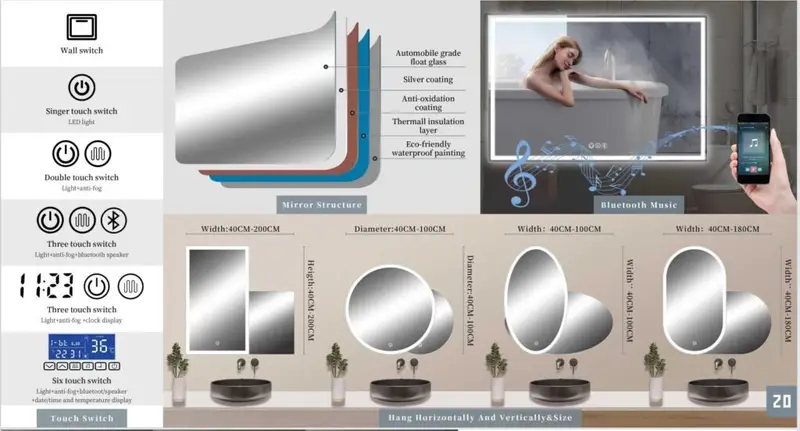
The process begins with high-quality float glass. This type of glass undergoes rigorous manufacturing to ensure an even surface that enhances light reflection.
Once produced, a thin layer of silver or aluminum is applied to one side, creating that iconic mirrored finish we all recognize. The result is not only functional but also elegant.
One significant advantage of glass mirrors is their durability. When properly cared for, they can last years without losing their reflective properties.
However, they do come with some drawbacks—mainly weight and fragility. A slight impact can easily crack or shatter a glass mirror, which might be concerning in certain environments.
B. Aluminum
Aluminum has gained popularity as a material for mirrors due to its lightweight nature and resistance to corrosion. Unlike traditional glass, aluminum offers a durable alternative that can withstand the test of time.
One of the key advantages of aluminum is its reflective quality. When coated properly, it provides a clear image without the heavy weight associated with glass mirrors. This makes aluminum an ideal choice for various applications where portability is essential.
Moreover, aluminum mirrors are often used in environments where safety matters. If broken, they shatter less dangerously than glass options. This feature makes them suitable for both commercial and residential settings.
Another benefit lies in their versatility; aluminum can be easily shaped into different forms and sizes. Whether you need a compact mirror or something larger, this material accommodates diverse design needs effortlessly.
Modern Materials Used in Mirrors
Modern mirrors have evolved beyond traditional materials. Innovations in technology have introduced new options that enhance functionality and aesthetics.
Acrylic is one such material. It’s lightweight, shatter-resistant, and offers excellent clarity. This makes it a popular choice for safety applications or spaces where durability is crucial.
Another noteworthy option is silver-coated polyimide. It combines flexibility with great reflective properties, making it ideal for compact designs or specialized uses in electronics and automotive industries.
Copper-free mirrors are gaining traction too. They’re more environmentally friendly than their counterparts and resist corrosion better over time. This longevity appeals to eco-conscious consumers looking for sustainable choices.
These modern materials not only expand the possibilities of design but also cater to specific needs across various industries, showcasing how innovation drives mirror production forward.
A. Acrylic
Acrylic mirrors are a popular alternative to traditional glass. They offer a lightweight option, making them easy to handle and install. This flexibility is perfect for various settings, from homes to commercial spaces.
One of the standout features of acrylic is its shatter-resistant quality. Unlike glass, it’s less prone to breakage, which adds an extra layer of safety in environments where accidents might occur.
Additionally, acrylic can be manufactured in various colors and finishes. This versatility allows designers more creative freedom when selecting mirrors that fit their aesthetic needs.
While they may not have the same reflective quality as glass or metal options, advancements in technology are improving their clarity all the time. As consumers increasingly seek both style and functionality, acrylic mirrors continue gaining traction across different markets.
B. Silver Coated Polyimide
Silver coated polyimide is an innovative material that blends the best of both worlds—flexibility and reflectivity. This lightweight substance offers superior performance in mirror applications while being resilient under various conditions.
The manufacturing process involves layering silver onto a polyimide base, creating a reflective surface that’s not only durable but also resistant to high temperatures. This makes it ideal for specialized environments like aerospace and automotive industries where standard materials might fail.
One of its standout features is its ability to maintain clarity and brightness without compromising on strength. Users appreciate how well it holds up against scratches and environmental factors, ensuring longevity.
Additionally, silver coated polyimide can be easily shaped into complex designs. This versatility opens doors for unique applications beyond traditional mirrors, such as in advanced optical devices or portable technology solutions. Its potential continues to expand as manufacturers explore new uses in dynamic fields.
C. Copper-Free Mirror
Copper-free mirrors are gaining popularity for their innovative design and eco-friendly benefits. Unlike traditional mirrors that often use copper in their backing, these alternatives typically utilize silver or aluminum coatings.
The absence of copper makes these mirrors more resistant to corrosion, especially in humid environments such as bathrooms. This increased durability ensures a longer lifespan without the risk of unsightly tarnishing.
Health-conscious consumers appreciate that copper-free options contain fewer harmful materials. They align better with modern sustainability practices, appealing to those who prioritize environmentally friendly products in their daily lives.
Many designers also favor copper-free mirrors for aesthetic reasons. The clarity and reflection quality can be exceptional, making them suitable for various applications—from home decor to professional settings like salons and photography studios.
By choosing a copper-free mirror, you’re not just investing in functionality; you’re also making a statement about your values toward health and sustainability.
Advantages and Disadvantages of Different Materials
When it comes to mirrors, the material choice plays a crucial role. Glass is the traditional favorite. Its clarity and durability are unmatched. However, it can be heavy and prone to shattering.
Acrylic is lighter and more flexible than glass, making it ideal for various applications. It’s less likely to break but can scratch easily, which may affect its longevity.
Silver-coated polyimide presents another option. This advanced material provides excellent reflectivity while being lightweight and resistant to corrosion. Yet, it’s often more expensive than conventional materials.
Copper-free mirrors offer an eco-friendly alternative that reduces environmental impact during production. They remain durable but might not provide the same level of reflectivity as traditional options.
Each material has distinct characteristics that cater to different needs in mirror design and application. Understanding these factors helps consumers make informed choices about what best suits their requirements.
Common Uses for Different Types of Mirrors
Mirrors serve a myriad of purposes across various sectors. In homes, they’re essential for personal grooming and enhancing light in spaces. A well-placed mirror can make a room feel more spacious.
In the automotive industry, mirrors are critical for safety. Rearview and side mirrors provide drivers with necessary visibility, ensuring safer travels on roads.
Retail environments often utilize large mirrors to create an inviting atmosphere. Shoppers appreciate being able to see themselves from different angles while trying on clothes.
Medical facilities rely on specialized mirrors for diagnostics and procedures. They help doctors examine areas that would otherwise be hard to view directly.
Decorative mirrors add aesthetic value in art galleries or public installations. Their designs can transform any space into a captivating visual experience without altering its essence.
Environmental Impact of Mirror Production
The environmental impact of mirror production is a growing concern. The materials used and the manufacturing processes can leave a significant carbon footprint.
Traditional glass mirrors require energy-intensive processes for shaping and coating. This often leads to higher emissions, contributing to climate change.
On the other hand, modern alternatives like acrylic are lighter and more energy-efficient to produce. However, they may not always offer the same durability or reflective quality as glass.
Another factor is waste management. Many mirrors contain metals like silver or aluminum that can be challenging to recycle properly. Improper disposal can lead to harmful substances leaching into ecosystems.
Innovations in eco-friendly materials aim to reduce this impact further. Manufacturers are increasingly exploring sustainable options that lessen reliance on traditional resources while maintaining functionality and aesthetics.
Future Innovations in Mirror Manufacturing
The future of mirror manufacturing is on the brink of exciting advancements. Researchers are exploring smart technology integration, creating mirrors that can display information like time and weather, transforming them into multifunctional devices.
New materials are also being developed, such as lightweight composites that maintain clarity while reducing weight. This innovation could revolutionize applications in automotive and aerospace industries.
Sustainable practices are gaining traction too. Manufacturers are focusing on eco-friendly materials and processes to minimize environmental impact. Innovations in recycling old mirrors will further promote sustainability.
Additionally, enhanced surface coatings promise to improve durability and resistance to scratches or fogging. These developments could extend the lifespan of mirrors significantly.
As creativity flourishes within this field, we may soon see designs that adapt automatically to lighting conditions or even reflect personalized images based on user preferences. The possibilities seem endless!
Conclusion
Mirrors have fascinated humanity for centuries. They serve not just practical purposes but also aesthetic ones, enhancing spaces and reflecting our lives. Understanding what a mirror is made of helps us appreciate the craftsmanship behind these everyday objects.
Traditional materials like glass and aluminum have long been staples in mirror production due to their availability and effectiveness. Glass remains the most common choice, offering clarity and durability. Aluminum provides strength while being lightweight, making it suitable for various applications.
Modern innovations bring exciting alternatives into play. Acrylic mirrors are shatter-resistant, making them ideal for environments where safety is a concern. Silver-coated polyimide offers a flexible option that can be used in unique settings, while copper-free mirrors present an eco-friendly alternative with reduced environmental impact.
Each material comes with its own set of advantages and disadvantages that cater to different needs. From vanity mirrors to decorative wall pieces, understanding how each type serves its purpose enhances our choices when selecting mirrors for specific uses.
The production of mirrors doesn’t come without consequences for the environment. Traditional methods often involve chemicals that can harm ecosystems if not managed properly. The industry is moving towards more sustainable practices as awareness grows about ecological footprints.
Looking ahead, advancements in technology promise even greater efficiency in mirror manufacturing processes as well as new materials designed to enhance performance while minimizing environmental impacts.
Exploring why certain materials are chosen in mirror production reveals much about both functionality and artistry within this field—an area poised for continued evolution as we seek better solutions tailored to modern demands.