

Introduction to Minimalist Living
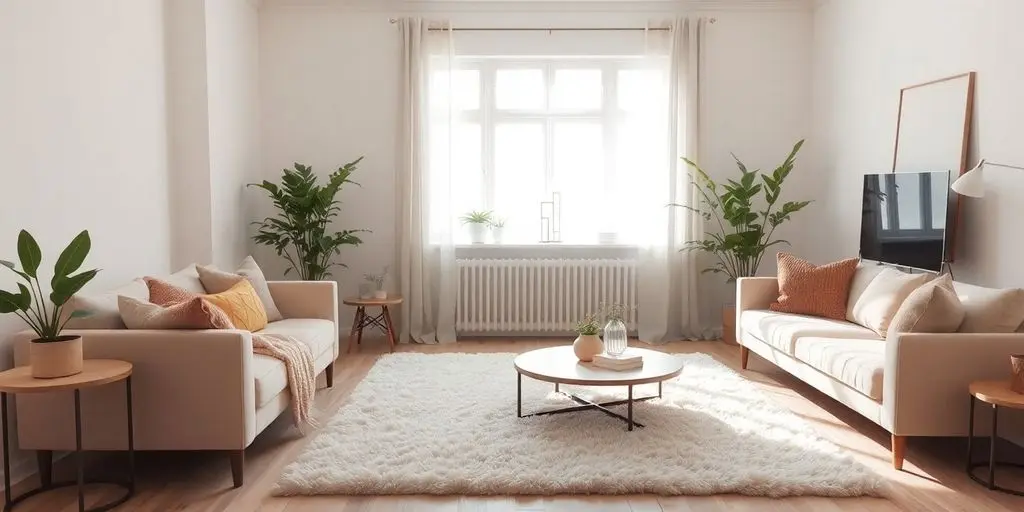
Imagine waking up in a space that feels open and uncluttered, where every item serves a purpose or brings you joy. Minimalist living is more than just a trend; it’s a lifestyle choice that encourages simplicity and intentionality. As modern life becomes increasingly fast-paced, many are seeking refuge in the calm of minimalism. In this world filled with excess—be it possessions, obligations, or distractions—embracing minimalist living offers clarity and peace.
- Introduction to Minimalist Living
- The Benefits of Minimalist Living
- How to Start Living a Minimalist Lifestyle
- Downsizing and Decluttering
- Mindful Consumption and Sustainability
- Redefining Success and Happiness
- Common Misconceptions about Minimalism
- Inspiring Stories of People Who Adopted a Minimalist Lifestyle
- Conclusion
But what does it really mean to live minimally? And why has this way of life captured the hearts of so many? Let’s explore the essence of minimalist living and discover its growing popularity among those yearning for balance amidst chaos.
The Benefits of Minimalist Living
Minimalist living offers numerous advantages that go beyond just having fewer possessions. One of the most significant benefits is reduced stress and anxiety. A clutter-free environment creates a sense of calm, allowing individuals to focus better on essential tasks.
Financial savings also play a crucial role in this lifestyle. By prioritizing needs over wants, people often find themselves spending less money on unnecessary items. This shift fosters healthier financial habits and greater peace of mind.
Time management improves as well; with fewer belongings to organize and maintain, daily routines become more streamlined. More free time opens doors for hobbies or quality moments spent with loved ones.
Additionally, embracing minimalism encourages mindfulness in consumption habits. Each purchase becomes intentional, leading to deeper appreciation for what one owns while promoting sustainable choices that benefit the planet.
How to Start Living a Minimalist Lifestyle
Starting a minimalist lifestyle doesn’t have to be overwhelming. Begin by evaluating your space and belongings. Identify what truly adds value to your life.
Set small, achievable goals. Aim to declutter one room or area each week. This focused approach makes the process less daunting and more manageable.
Consider adopting the “one in, one out” rule. For every new item you bring home, let go of something else. This habit curbs unnecessary accumulation.
Practice mindfulness when shopping or receiving gifts. Ask yourself if an item aligns with your values and needs before making a purchase.
Surround yourself with inspiration—read about minimalism, follow influencers, or join online communities that share similar interests. Engaging with like-minded individuals can motivate you on this journey toward simplicity.
Embrace gradual changes rather than drastic shifts for lasting results in your transition to minimalist living.
Downsizing and Decluttering
Downsizing and decluttering are essential steps in adopting a minimalist lifestyle. It’s about creating space, both physically and mentally. When you remove excess items, you often discover a newfound clarity.
Start small. Tackle one room at a time or even just one drawer. This makes the process less overwhelming and more manageable. Ask yourself if each item serves a purpose or brings joy to your life.
Consider donating or recycling items that no longer resonate with you. Not only does this lighten your load, but it also benefits others who may need what you no longer use.
Embrace the idea of quality over quantity. Invest in fewer, high-quality pieces that truly enhance your living space instead of accumulating things for the sake of it.
The journey to minimalism is personal; it’s about finding what resonates with you while letting go of distractions that don’t serve your well-being.
Mindful Consumption and Sustainability
Mindful consumption is about being intentional with what we buy. It encourages us to evaluate our needs versus wants. This practice leads to more thoughtful purchasing decisions.
When you embrace minimalism, sustainability naturally follows. Choosing quality over quantity means selecting products that last longer and have a lower environmental impact. Each purchase becomes a conscious choice rather than an impulsive act.
Consider the lifecycle of items before buying them. Ask yourself how they were made and their effects on the planet. Supporting brands that prioritize eco-friendly materials can make a difference.
Engaging in mindful consumption fosters gratitude for what we already own. It shifts focus from accumulation to appreciation, allowing us to enjoy life’s simple pleasures without excess clutter or waste.
This approach nurtures both personal well-being and environmental health, creating harmony between your lifestyle choices and the world around you.
Redefining Success and Happiness
Redefining success and happiness is a crucial aspect of minimalist living. In a world where achievements are often measured by wealth or status, minimalism invites us to look inward instead.
Success can be reimagined as the freedom to pursue what genuinely brings joy. It’s about valuing experiences over possessions. Time spent with loved ones or engaging in hobbies can hold more significance than any material accolade.
Happiness shifts from external validation to internal fulfillment. It thrives in simplicity—a quiet morning coffee, an afternoon walk, or moments of creativity without distractions.
By prioritizing personal values over societal expectations, we create space for authentic connections and meaningful pursuits. Minimalist living encourages us to explore what truly matters, allowing for deeper satisfaction in everyday life rather than chasing fleeting trends or superficial milestones.
Common Misconceptions about Minimalism
Many people believe that minimalism means living in a bare room with only the essentials. This stereotype overlooks the flexibility of minimalist living. It’s not about deprivation; it’s about intentionality.
Another misconception is that minimalists must get rid of almost everything they own. In reality, it’s more about keeping what adds value to your life and letting go of things that don’t serve you.
Some think minimalism is only for the wealthy or those who can afford to travel light. However, anyone can embrace this lifestyle regardless of their financial situation.
Many assume that adopting a minimalist lifestyle means sacrificing joy and creativity. On the contrary, simplifying one’s surroundings often fosters clarity and inspiration, leading to new possibilities and experiences. Minimalist living invites personal growth rather than limits it.
Inspiring Stories of People Who Adopted a Minimalist Lifestyle
Many individuals have found inspiration in the journey of minimalism. Take Joshua Becker, for instance. He began his minimalist lifestyle after realizing how clutter was affecting his family’s happiness. By shedding excess possessions, he discovered more time and energy to focus on what truly mattered.
Then there’s Courtney Carver, who turned her life around through a simple challenge: Project 333. This initiative encourages wearing just 33 pieces of clothing for three months. The experience reshaped her perspective on consumption and self-expression.
Another powerful story is that of Dan Harris, co-anchor of ABC’s Nightline. After battling anxiety, he embraced minimalism as a way to declutter not just his space but also his mind—ultimately leading him toward mindfulness and deeper fulfillment.
These stories remind us that adopting a minimalist lifestyle can lead to profound transformations beyond the physical realm.
Conclusion
Minimalist living invites us to rethink our relationship with material possessions and the way we navigate life. By embracing simplicity, individuals often find clarity, purpose, and joy in the little things that truly matter.
As more people discover the benefits of this lifestyle, it’s clear that minimalism is not just a trend; it’s a movement towards intentional living. Whether through decluttering spaces or re-evaluating needs versus wants, minimalist living can lead to greater well-being.
The stories of those who have adopted this mindset serve as powerful reminders. They show us that happiness doesn’t come from what we own but from how we engage with our world. Minimalism encourages personal growth by allowing us to focus on experiences rather than accumulating stuff.
By prioritizing mindfulness and sustainability in consumption habits, we begin to shift towards a more meaningful existence. Redefining success takes courage but leads many down a path filled with fulfillment rather than emptiness.
Embracing minimalism doesn’t require perfection; it simply asks for awareness—an understanding that less can sometimes lead to so much more. Each step taken toward simplifying one’s life contributes to broader societal change as well.
For anyone intrigued by these concepts, exploring minimalist living could be a transformative journey worth undertaking—a chance to align your external environment with your internal values while crafting an authentic life rich in purpose and connection.