


Introduction to car wheels
When you think about your car, the wheels often take a backseat in your mind. Yet, they are crucial for performance and safety. Every time you hit the road, it’s these unsung heroes that bear the brunt of driving conditions and ensure a smooth ride. Understanding what makes up a wheel can enhance your appreciation for this vital component of your vehicle.
- Introduction to car wheels
- The importance of having a good set of wheels
- The components of a car wheel
- A. Rim
- B. Tire
- C. Hub and Bearings
- D. Lug Nuts
- Different types of wheels for different purposes
- A. Steel wheels
- B. Alloy wheels
- Maintenance and care for car wheels
- How to choose the right wheels for your vehicle
- Conclusion
In today’s blog post, we’ll explore the main parts of a car wheel and why having a good set is essential not just for aesthetics but also for functionality. From rims to tires, every element plays its role in keeping you safe on the road. Let’s dive into what constitutes this critical part of your vehicle!
The importance of having a good set of wheels
Having a good set of wheels is crucial for any vehicle. They are the foundation that supports your car’s performance and safety on the road.
The right wheels can enhance handling, stability, and comfort during your drive. Poor-quality wheels may lead to uneven wear or even tire blowouts, putting you at risk while driving.
A reliable set of wheels improves fuel efficiency too. When they’re in optimal condition, they reduce rolling resistance, allowing your engine to work more efficiently.
Additionally, aesthetics matter. Stylish and well-maintained wheels can significantly elevate your vehicle’s look. A good set of rims makes a statement about personal style as well as practicality.
Investing in quality wheels is an investment in peace of mind and overall driving experience. The difference between average and exceptional performance often lies in these essential components.
The components of a car wheel
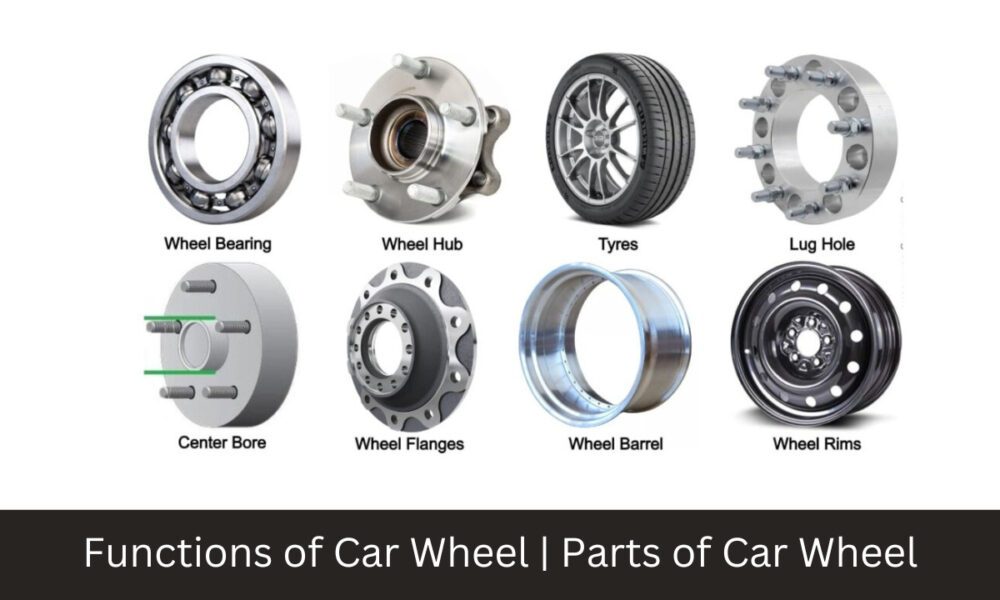
Every car wheel consists of several key components that work together to ensure smooth driving. Understanding these parts can help in maintenance and performance.
First, the rim forms the outer edge of the wheel. It holds the tire in place and comes in various sizes and styles, affecting both aesthetics and functionality.
Next is the tire itself, which provides traction on different surfaces. Tires come with tread patterns designed for specific conditions, like wet or off-road terrain.
The hub connects the wheel to the axle, serving as a crucial link between your vehicle’s drivetrain and its wheels. Bearings within this assembly allow for smooth rotation.
Lug nuts secure everything tightly together. These small yet vital pieces keep your tires attached to your car while allowing for easy removal when needed. Each component plays a significant role in overall vehicle safety and performance.
A. Rim
The rim is a crucial part of a car wheel, serving as the outer edge that holds the tire in place. It provides structural support and plays a key role in how your vehicle handles on the road.
Rims come in various styles and materials, each designed for specific performance needs. Aluminum alloy rims are popular due to their lightweight nature, improving fuel efficiency. Steel rims, while heavier, offer durability at an affordable price point.
The design of the rim can also influence aesthetics. Many drivers choose custom wheels to enhance their vehicle’s appearance. A stylish rim not only adds flair but can also improve overall handling dynamics.
Understanding your rim’s specifications is vital when selecting tires or upgrading your wheels. Ensure compatibility with your vehicle’s requirements to maintain safety and performance on every drive.
B. Tire
The tire is a critical part of a car wheel that directly impacts performance and safety. It’s the only contact point between your vehicle and the road, making it essential for traction.
Tires come in various types, including all-season, winter, and performance options. Each type has unique tread patterns designed to handle different weather conditions and driving styles.
Proper inflation is key. Under-inflated tires can lead to poor fuel efficiency, while over-inflation may cause uneven wear or blowouts. Regular checks ensure optimal pressure.
Tire tread depth also plays an important role in grip. Worn-out tires struggle with braking distances on wet or slippery surfaces, increasing the risk of accidents.
Rotating your tires regularly promotes even wear and extends their lifespan. Taking care of your tires not only enhances driving comfort but also ensures safer journeys on every adventure.
C. Hub and Bearings
The hub and bearings are crucial components of a car wheel. They play a significant role in ensuring smooth rotation and stability while driving.
The hub is the central part that connects the wheel to the axle. It’s where all the forces from acceleration, braking, and turning converge. A robust hub can significantly enhance a vehicle’s performance.
Bearings sit inside or around the hub. Their primary job is to reduce friction between moving parts. This reduction allows wheels to spin freely with minimal resistance.
Proper maintenance of hubs and bearings is essential for longevity. Any signs of wear can lead to more severe issues if not addressed promptly, affecting overall safety on the road.
D. Lug Nuts
Lug nuts are small but mighty components that hold your car wheels in place. These fasteners secure the wheel to the hub and ensure a snug fit, which is crucial for safe driving.
Made from durable materials like steel or chrome, lug nuts come in various shapes and sizes. The right type depends on your vehicle’s specifications. Improperly sized lug nuts can lead to issues such as vibration or even detachment while driving.
Installation requires attention: they must be tightened evenly to distribute pressure across the wheel. Using a torque wrench helps achieve this balance, preventing potential damage.
Regular checks are essential too; loose lug nuts can cause dangerous situations on the road. So next time you’re inspecting your wheels, don’t overlook these little yet vital parts of a car wheel!
Different types of wheels for different purposes
When it comes to car wheels, not all are created equal. Each type serves a specific purpose and enhances performance in distinct ways.
Steel wheels are sturdy and economical. They’re perfect for everyday driving and can withstand rough conditions. Their durability makes them a popular choice for trucks and work vehicles.
On the other hand, alloy wheels often steal the spotlight with their sleek appearance. Made from aluminum or magnesium, they’re lighter than steel options. This weight reduction improves handling and fuel efficiency, making them ideal for sports cars.
For off-road adventures, specialized wheels designed to handle rugged terrains provide extra traction and strength. These variations ensure that whether you’re cruising through city streets or tackling trails, there’s always an appropriate wheel option available to meet your needs effectively.
A. Steel wheels
Steel wheels are a popular choice for many vehicle owners due to their durability and cost-effectiveness. They are typically made from steel sheets, which makes them robust enough to withstand rough driving conditions.
One of the key advantages of steel wheels is their ability to handle heavy loads. This makes them ideal for trucks and other vehicles that frequently carry significant weight. Their resilience also means they can endure impacts better than some alternative materials.
Another notable feature is that they are often easier to repair if damaged. Dents or bends in steel wheels can sometimes be fixed without needing a full replacement, saving both time and money.
However, while steel wheels excel in strength, they may not have the aesthetic appeal of alloy options. Yet, with various paint finishes available today, customization remains an option for those looking to enhance their appearance on the road.
B. Alloy wheels
Alloy wheels are a popular choice among car enthusiasts for various reasons. These wheels, made from a blend of aluminum and other metals, offer an appealing balance between strength and weight.
One significant advantage of alloy wheels is their lightweight nature. This reduces the overall weight of the vehicle, which can enhance fuel efficiency and improve handling. Drivers often notice better performance when cornering or accelerating due to this reduced mass.
Aesthetic appeal also plays a critical role in their popularity. Alloy wheels come in diverse styles and finishes, allowing drivers to customize their vehicles easily. Whether you prefer sleek modern designs or classic looks, there’s an alloy wheel that fits your vision.
Additionally, alloy wheels dissipate heat more effectively than steel options. This property can lead to improved braking performance over time—a crucial factor for safety on the road.
Maintenance and care for car wheels
Keeping your car wheels in top condition is essential for safety and performance. Regular checks can help prevent costly repairs down the line.
Start by inspecting the tires for any signs of wear or damage. Look for bulges, cracks, or uneven tread wear. These issues could affect your vehicle’s handling and increase the risk of a blowout.
Next, ensure that tire pressure is at recommended levels. Under-inflated tires can lead to poor fuel efficiency and increased wear. Use a reliable gauge to monitor pressure regularly.
Don’t forget about cleaning your wheels too! Dirt and grime can accumulate, especially around brake components. A gentle wash with soap and water keeps them looking good while preventing corrosion.
Have your wheel alignment checked periodically. Misalignment causes uneven tire wear and may compromise driving safety over time.
How to choose the right wheels for your vehicle
Choosing the right wheels for your vehicle involves several key considerations. First, think about your driving habits and environment. If you often drive on rough terrain, sturdier options may be necessary.
Next, consider the size of the wheels. The diameter can affect both performance and aesthetics. Larger wheels typically provide better handling but might compromise ride comfort.
Material is another factor to weigh. Steel wheels are durable but heavier, while alloy wheels offer a lighter option with a sleek look.
Don’t forget about bolt patterns; they must match your vehicle specifications for proper fitment.
Think about style preferences. Your choice should reflect not just functionality but also personal taste in appearance and design.
Conclusion
Understanding the parts of a car wheel is essential for any vehicle owner. Each component, from the rim to the lug nuts, plays a crucial role in ensuring your wheels function smoothly and safely on the road.
Choosing between steel or alloy wheels can affect not just aesthetics but also performance and handling. Proper maintenance is vital to prolonging their life and enhancing driving safety.
When you’re ready to upgrade or replace your wheels, consider all these factors carefully. The right choice can significantly improve your driving experience while keeping you safe behind the wheel. Take time to understand what works best for your vehicle’s needs, as well-informed decisions lead to better journeys ahead.