


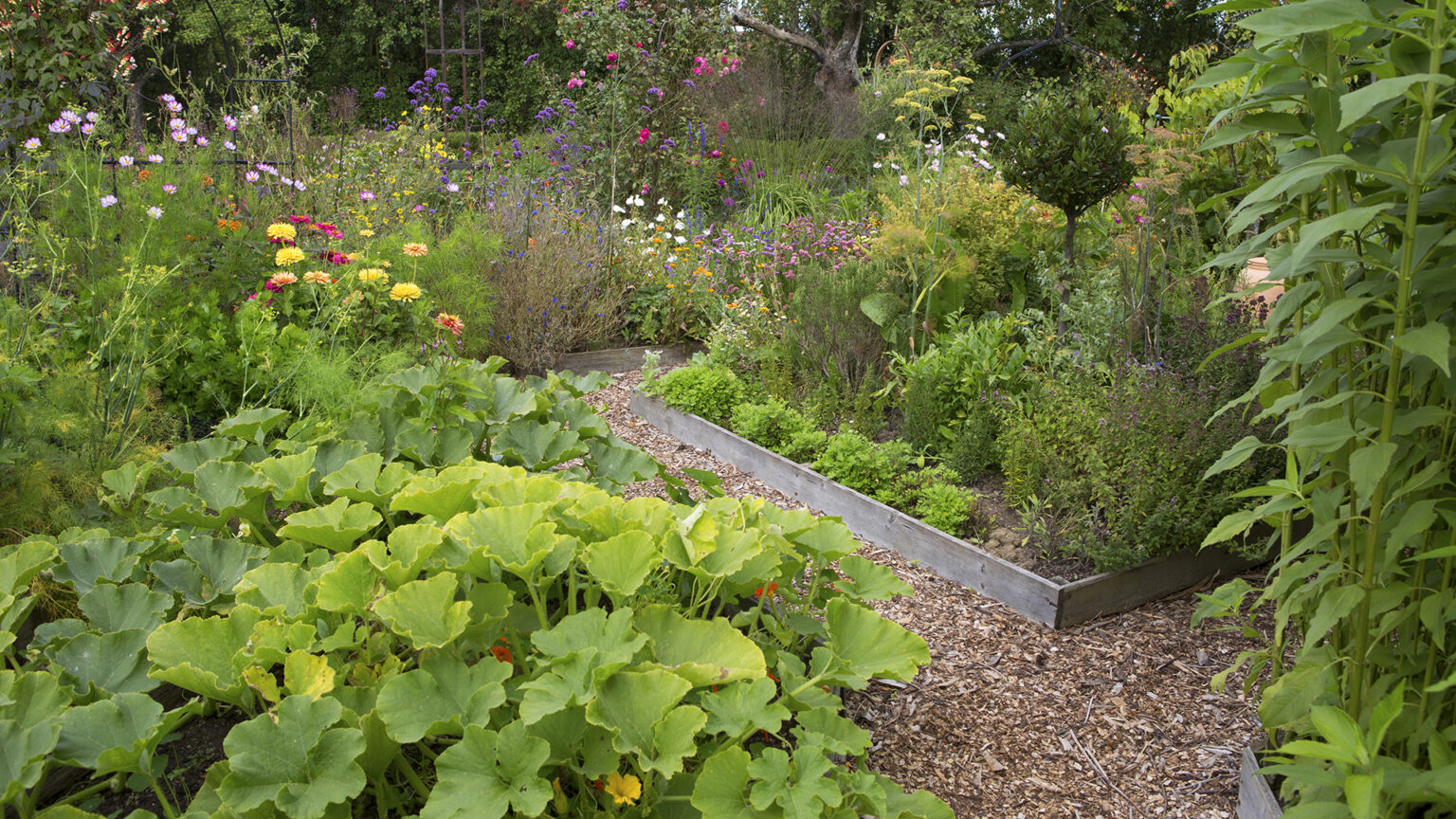
Are you ready to take your courgette game to the next level? If you’re growing these delicious green veggies in your garden, companion planting is a technique that can enhance their growth and health. Imagine nurturing your plants alongside helpers that not only thrive together but also ward off pests and boost flavor. It’s like creating a dynamic duo right in your backyard! In this post, we’ll explore the benefits of companion planting specifically for courgettes. Whether you’re a seasoned gardener or just starting out, you’ll discover how choosing the right companions can lead to a bountiful harvest and healthier plants. Let’s dive into this exciting world of courgette companion planting!
The Benefits of Companion Planting
Companion planting is a gardening strategy that brings numerous advantages to your garden ecosystem. By pairing certain plants together, you can create a harmonious environment where they support each other’s growth.
One significant benefit is pest control. Certain companion plants naturally repel insects that may harm courgettes, reducing the need for chemical pesticides. This leads to healthier plants and more sustainable practices.
Another advantage is improved nutrient uptake. Some companions enrich the soil with essential nutrients or enhance its structure, making it easier for courgettes to absorb what they need.
Additionally, companion planting can increase yields by maximizing space and resources. Plants growing in harmony often exhibit enhanced resilience against diseases and environmental stressors too.
This practice fosters biodiversity in your garden while creating a thriving community of plant friends working together for mutual benefits.
Understanding Courgettes and Their Growing Needs
Courgettes, also known as zucchinis, thrive in warm weather and require plenty of sunlight. They prefer well-drained soil rich in organic matter. A pH level between 6 and 7 is ideal for their growth.
These plants can grow quite large, with sprawling vines that need ample space to spread out. When planting courgettes, consider spacing them at least two feet apart to ensure good air circulation. This practice helps prevent disease while allowing the leaves to soak up more sun.
Watering is crucial during their growing season. Consistent moisture promotes healthy fruit development but avoid waterlogging the roots. Aim for deep watering a couple of times a week instead of shallow daily sprinklings.
Fertilization plays an important role too; using compost or balanced fertilizers can enhance growth significantly. Courgettes are heavy feeders, so don’t hesitate to nourish them throughout the season!
Selecting the Right Companion Plants for Courgettes
Choosing the right companion plants for courgettes can significantly enhance your garden’s productivity. Look for plants that complement their growing habits and deter pests.
Consider height when selecting companions. Taller plants, like sunflowers, provide shade, while shorter ones allow ample sunlight to reach courgettes. This balance helps create a thriving micro-ecosystem.
Additionally, focus on plant families that share similar needs. For instance, legumes improve soil nitrogen levels—beneficial for nutrient-hungry courgettes.
Think about flowering companions like marigolds or nasturtiums. They not only attract beneficial insects but also repel harmful pests such as aphids and squash bugs.
The right combinations can lead to a flourishing garden filled with healthy veggies!
Top 5 Companion Plants for Courgettes
When it comes to courgette companion planting, a few plants stand out for their benefits.
Nasturtiums are fantastic companions. Their vibrant flowers attract pollinators while deterring aphids and other pests.
Marigolds also shine in this role. These bright blooms repel nematodes and harmful insects, creating a protective barrier around your courgettes.
Basil is another excellent choice. This aromatic herb enhances the flavor of nearby vegetables while repelling thrips and flies that could harm your crops.
Corn can provide natural support for climbing varieties of courgettes as well. It creates an ideal microclimate with its height, keeping the soil temperature consistent.
Beans fix nitrogen levels in the soil, nourishing courgettes as they grow together in harmony. Each companion adds unique advantages that promote healthier growth all season long.
Planting and Caring for Your Courgette Companion Plants
When planting courgette companion plants, timing is essential. Aim to plant after the last frost when soil temperatures are consistently warm.
Spacing matters too. Ensure there’s enough room for each plant to thrive without crowding. This promotes airflow and reduces disease risk.
Watering should be consistent but not excessive. Both courgettes and their companions appreciate moisture, so check soil regularly. Mulching can help retain soil moisture while suppressing weeds.
Regularly monitor for pests and diseases. Some companion plants naturally deter unwanted insects or attract beneficial ones, creating a balanced ecosystem in your garden bed.
Feeding your plants with organic fertilizers boosts growth and yields. Consider compost or well-rotted manure as a nutrient-rich option that complements both courgettes and their companions beautifully.
Engage with your garden daily! Observing changes helps you make timely interventions if necessary, ensuring vibrancy in every corner of your patch.
Other Tips for Successful Courgette Companion Planting
To enhance your courgette companion planting experience, consider the layout of your garden. Group compatible plants together to maximize space and resources.
Regularly monitor moisture levels. Courgettes thrive in well-draining soil but dislike waterlogged roots. Ensure companion plants have similar watering needs for best results.
Incorporate mulching around your courgettes and their companions. Mulch helps retain moisture, suppress weeds, and maintain a stable soil temperature.
Watch out for pests! While some companions help deter insects, others may attract them. Keep an eye on any unwanted visitors and react promptly if you notice trouble brewing.
Rotate your crops each season as this prevents nutrient depletion in the soil and disrupts pest cycles. Different plant families can replenish what others take from the earth.
Don’t hesitate to experiment with different combinations over time. Each garden is unique; finding what works best may require a bit of trial and error.
Conclusion
Courgette companion planting can significantly enhance your gardening experience. By selecting the right plants to grow alongside courgettes, you not only boost their growth but also improve soil health and deter pests. The symbiotic relationships formed between different plant species create a thriving environment for all.
As you’ve learned about the benefits of companion planting and how it applies specifically to courgettes, consider incorporating those top five companion plants into your garden layout. Remember that careful planning and attention to your courgette’s growing needs are crucial for success.
With proper care and consideration in mind, you can cultivate a bountiful harvest while enjoying a vibrant ecosystem in your garden. Embrace the power of nature’s partnerships—your courgettes will thank you!