


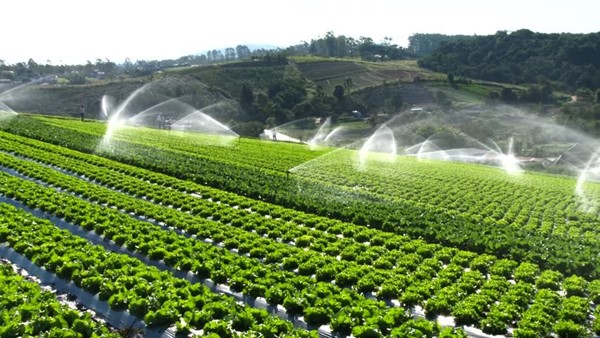
Introduction to efficient irrigation systems
Water is life, especially when it comes to agriculture and landscaping. As the global population grows, so does the demand for food and green spaces. But traditional irrigation methods often waste precious water resources. This is where efficient irrigation systems come into play. These advanced techniques not only help conserve water but also promote healthier plants and more sustainable practices.
- Introduction to efficient irrigation systems
- The importance of water conservation in agriculture and landscaping
- Types of efficient irrigation systems (drip irrigation, micro-irrigation, etc.)
- Benefits of using efficient irrigation systems:
- A. Water and cost savings
- B. Improved plant growth and health
- C. Reduced weed growth and soil erosion
- D. Environmental sustainability
- Case studies/examples of successful implementation of efficient irrigation systems
- Challenges and considerations for implementing
Imagine a garden or farm thriving with minimal water use while maximizing growth potential. Sounds ideal, right? Efficient irrigation systems can turn that dream into reality by delivering just the right amount of moisture directly to plant roots. Let’s dive deeper into why these systems are essential for modern farming and landscaping practices, exploring their benefits, types, successful implementations, and considerations for making a switch!
The importance of water conservation in agriculture and landscaping
Water is a precious resource, especially in agriculture and landscaping. As global populations rise, the demand for food increases. This makes efficient water use critical.
Conserving water helps maintain healthy crops while reducing costs for farmers. Efficient irrigation systems play a key role here by delivering necessary moisture directly to plant roots. This minimizes waste and ensures every drop counts.
In landscaping, responsible water usage fosters sustainable gardens that thrive with minimal environmental impact. Well-planned irrigation not only nurtures plants but also enhances aesthetics without straining local water supplies.
With climate change affecting weather patterns, prioritizing water conservation becomes even more vital. By adopting smart practices now, we can secure a stable future for both agriculture and our green spaces. Healthy ecosystems depend on our commitment to using this valuable resource wisely.
Types of efficient irrigation systems (drip irrigation, micro-irrigation, etc.)
Efficient irrigation systems come in various forms, each designed to maximize water usage while minimizing waste. Drip irrigation is one of the most popular options. This system delivers water directly to the plant roots through a network of tubing and emitters. It ensures that every drop counts, making it ideal for gardens and agricultural fields.
Micro-irrigation is another innovative method that includes both drip and sprinkler components but operates on a smaller scale. It’s perfect for landscaping or greenhouse environments where precise watering can make a significant difference.
Sprinkler systems have evolved too, with smart technology allowing them to adjust based on weather conditions. These systems provide uniform coverage while conserving resources.
Each type caters to specific needs, ensuring plants receive adequate hydration without excess runoff or evaporation. Whether you’re tending a garden or managing large crops, there’s an efficient system tailored for your requirements.
Benefits of using efficient irrigation systems:
Efficient irrigation systems offer significant water and cost savings. By delivering water directly to the plant roots, these systems minimize wastage and reduce utility bills. Farmers can allocate resources more wisely, leading to enhanced profitability.
Improved plant growth is another notable advantage. With precise watering schedules, plants receive the right amount of moisture without stress. This results in healthier crops that yield better harvests.
Moreover, efficient irrigation reduces weed growth and soil erosion. By targeting specific areas for watering, less energy goes into encouraging unwanted plants. Meanwhile, stabilized soil prevents runoff during heavy rains.
These systems also play a crucial role in promoting environmental sustainability. Conserving water helps protect local ecosystems while minimizing energy use associated with pumping and distributing water over long distances.
A. Water and cost savings
Efficient irrigation systems can significantly reduce water usage. Traditional methods often waste a large volume of water through evaporation and runoff. In contrast, advanced systems like drip irrigation deliver water directly to the plant roots, minimizing loss.
This precise application not only conserves water but also translates into lower utility bills. Farmers and gardeners alike notice a marked decrease in expenses associated with watering their crops or gardens.
With reduced consumption comes the opportunity for better resource management. Saving both money and precious water allows for reinvestment into other areas of agriculture or landscaping projects.
The financial benefits extend beyond immediate savings on bills; they also foster long-term sustainability practices that make agricultural operations more resilient against droughts and changing climate conditions. Embracing efficient irrigation means being kinder to your wallet while protecting vital resources.
B. Improved plant growth and health
Efficient irrigation systems significantly enhance plant growth and health. By delivering water directly to the root zone, these systems ensure that plants receive the precise amount of moisture they need.
Roots thrive when they have consistent access to water. This stability allows for better nutrient absorption. Healthy plants are not only more resilient but also produce higher yields.
Moreover, targeted watering prevents over-saturation, which can lead to root rot and other diseases. With controlled irrigation, plants develop stronger root structures that support their overall vigor.
In addition, efficient systems minimize stress during dry spells. When plants aren’t struggling for water, they can focus on growing instead of merely surviving. As a result, gardens flourish with lush foliage and vibrant blooms.
C. Reduced weed growth and soil erosion
Efficient irrigation systems significantly contribute to reduced weed growth. By delivering water directly to the plant roots, these systems minimize moisture in surrounding areas where weeds thrive.
When weeds receive less water, their growth is stunted. This leads to a healthier crop environment as plants compete with fewer unwanted species for nutrients and space.
Soil erosion becomes another concern addressed by efficient irrigation methods. Traditional watering practices can lead to runoff during heavy watering sessions. However, targeted irrigation minimizes this risk.
With less soil displacement, the integrity of topsoil remains intact. Healthy soil not only supports robust crops but also enhances overall land productivity over time.
By controlling both weed proliferation and minimizing erosion, efficient irrigation fosters a more sustainable agricultural practice while promoting better yield outcomes for farmers and landscapers alike.
D. Environmental sustainability
Efficient irrigation systems play a pivotal role in promoting environmental sustainability. By using less water, these systems help to preserve precious natural resources. This is vital as global water scarcity becomes an increasing concern.
Reducing the volume of water used minimizes runoff and prevents soil degradation. Healthy soil supports biodiversity and fosters ecosystems that thrive without excessive human intervention.
Moreover, efficient irrigation reduces energy consumption associated with pumping and transporting water. Lower fossil fuel usage translates to decreased greenhouse gas emissions, contributing positively to climate change mitigation efforts.
Implementing such systems can also enhance local habitats by maintaining groundwater levels. When plants receive just the right amount of moisture, they flourish without overwhelming surrounding wildlife or pollinators critical for our ecosystem’s balance.
Adopting efficient practices helps create a harmonious relationship between agriculture and nature, allowing both to prosper side by side.
Case studies/examples of successful implementation of efficient irrigation systems
One notable example of efficient irrigation systems in action is the transformation seen at the University of California, Davis. The campus implemented a drip irrigation system across its botanical gardens. This move led to significant reductions in water usage while enhancing plant health and diversity.
Another successful case can be found in Israel, where innovative micro-irrigation techniques revolutionized agriculture. Farmers have increased crop yields dramatically using these methods, allowing them to thrive even in arid conditions.
In Australia, vineyards have turned to advanced sensor-based drip systems that optimize watering based on real-time soil moisture data. These practices not only conserve water but also improve grape quality, which is crucial for winemaking.
Such examples highlight how diverse settings benefit from adopting efficient irrigation systems tailored to their unique needs and environments.
Challenges and considerations for implementing
Efficient irrigation systems offer a wealth of benefits, but implementing them does come with challenges. One major consideration is the initial cost. Upgrading or installing new systems can require significant investment, which may deter some farmers and landscapers.
Moreover, understanding how to design and optimize these systems often requires specialized knowledge. Training staff on the operation and maintenance of advanced irrigation setups can take time and resources. This might pose an obstacle for smaller farms or landscaping businesses that lack access to such expertise.
Another challenge is the variability in soil types and plant requirements. What works well for one crop or landscape may not be suitable for another, making it essential to tailor solutions accordingly. Additionally, local regulations regarding water usage must also be taken into account when planning efficient irrigation practices.
Ongoing monitoring is crucial to ensure efficiency remains optimal over time. Systems can become less effective due to changes in weather patterns or system wear-and-tear if they are not regularly reviewed.
Despite these challenges, the advantages offered by efficient irrigation systems make them a worthwhile consideration for any agricultural endeavor or landscaping project aiming for sustainability and productivity growth.