


Introduction to Amino Acids
Amino acids are the building blocks of life, but how much do you really know about them? These tiny compounds play a massive role in our overall health and wellbeing. From supporting muscle growth to aiding in neurotransmitter production, amino acids are essential for keeping our bodies functioning at their best.
- Introduction to Amino Acids
- The Role of Amino Acids in the Body
- Essential vs Non-Essential Amino Acids
- Benefits of Amino Acids for Overall Health and Wellbeing
- Dietary Sources of Amino Acids
- Common Myths and Misconceptions About Amino Acids
- Conclusion: Incorporating Amino Acids into Your Diet for Optimal Health
If you’ve ever wondered what makes up your protein-rich foods or why they’re so crucial for your diet, you’re not alone. Whether you’re an athlete looking to enhance performance or simply someone striving for better health, understanding amino acids can empower you to make informed choices about your nutrition.
Dive into the fascinating world of amino acids with us as we explore their significance and discover how incorporating them into your diet can lead to optimal health benefits!
The Role of Amino Acids in the Body
Amino acids are often referred to as the building blocks of life. They play a crucial role in synthesizing proteins, which are essential for nearly every function in the body.
These organic compounds help repair tissues and support muscle growth. When you exercise, amino acids become even more vital for recovery and strength gains.
Apart from muscle health, they also contribute to hormone production. Hormones regulate various bodily functions, including metabolism and mood.
Moreover, amino acids facilitate immune system functions. They assist in producing antibodies that protect against infections and diseases.
Certain amino acids act as neurotransmitters or precursors to neurotransmitters like serotonin. This means they can influence brain health and emotional well-being significantly.
In essence, without adequate levels of these key nutrients, your body wouldn’t perform optimally. Understanding their multifaceted roles emphasizes their importance in daily nutrition.
Essential vs Non-Essential Amino Acids
Amino acids are classified into two categories: essential and non-essential.
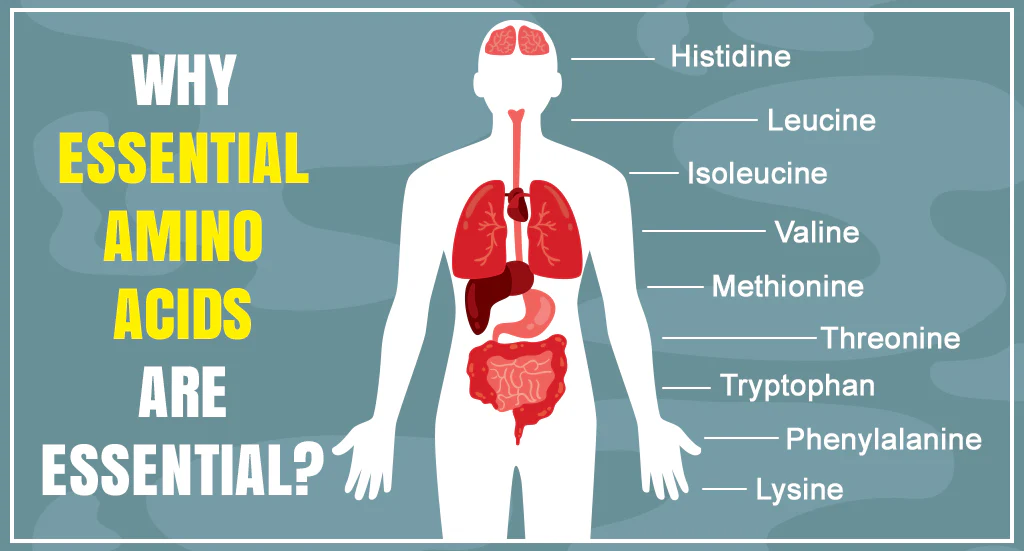
Essential amino acids cannot be produced by the body. This means we must obtain them through our diet. There are nine of these critical building blocks, including leucine, isoleucine, and valine. They play a vital role in various bodily functions such as muscle repair and protein synthesis.
Non-essential amino acids, on the other hand, can be synthesized by the body itself. While they’re still important for maintaining health and supporting metabolic processes, you don’t need to rely on food sources alone to get them.
Understanding this distinction helps highlight how crucial dietary choices are for overall wellness. By ensuring you consume enough essential amino acids through diverse foods like meat, dairy products, and legumes, you support your body’s specific needs effectively while still benefiting from non-essential ones naturally produced within you.
Benefits of Amino Acids for Overall Health and Wellbeing
Amino acids play a crucial role in maintaining optimal health. They are vital for building proteins, which serve as the foundation for muscle tissue and enzymes.
These organic compounds contribute significantly to energy production. When your body breaks down proteins, amino acids provide fuel that helps you stay active.
Mental health also benefits from amino acids. Certain types can enhance mood by influencing neurotransmitter levels, potentially reducing anxiety and depression symptoms.
Additionally, amino acids support immune function. They help produce antibodies necessary for fighting infections effectively.
Skin health is another area where these compounds shine. Collagen and elastin production relies on specific amino acids to maintain skin elasticity and hydration.
With such diverse benefits, incorporating an adequate supply of amino acids into your diet is essential for overall wellbeing.
Dietary Sources of Amino Acids
Amino acids come from various dietary sources, making it easy to incorporate them into your meals. Animal-based foods are typically rich in these essential building blocks. Meat, fish, eggs, and dairy products provide all the amino acids your body needs.
For those following a plant-based diet, options like quinoa, soybeans, lentils, and chickpeas offer complete protein profiles. Nuts and seeds also contribute valuable amino acids while adding healthy fats to your diet.
Fruits and vegetables contain smaller amounts of amino acids but can still play a role in overall intake. Combining different food sources ensures you get a well-rounded supply of these vital nutrients.
Whether you’re an omnivore or vegetarian or vegan, diversifying your meals can help meet your body’s amino acid requirements effectively. Finding balance is key to promoting optimal health through nutrition.
Common Myths and Misconceptions About Amino Acids
Many people believe that amino acids are only important for bodybuilders and athletes. This is a misconception. Amino acids play vital roles in everyone’s health, regardless of their activity level.
Another common myth is that all amino acids can be produced by the body. While it’s true that some are synthesized internally, others—known as essential amino acids—must come from our diet. Ignoring this can lead to deficiencies.
Some individuals think taking amino acid supplements automatically translates to muscle gain or fat loss. However, supplements should complement a balanced diet rather than replace whole foods rich in these compounds.
There’s confusion around the idea that too much protein means an excess of amino acids is beneficial. In reality, our bodies have limits on how much they can utilize at one time; excessive intake could strain kidneys over time if not managed properly.
Conclusion: Incorporating Amino Acids into Your Diet for Optimal Health
To optimize your health, it’s essential to understand how amino acids can benefit you. These building blocks of proteins play a crucial role in various bodily functions, from muscle repair to hormone production.
Incorporating sufficient amounts of both essential and non-essential amino acids into your diet is key. Consuming a balanced mix of protein sources will help ensure that you’re getting all the necessary amino acids. Animal products like meat, eggs, and dairy are rich in these nutrients. For those following plant-based diets, options such as legumes, nuts, seeds, and whole grains can provide significant amounts too.
Maintaining awareness about the importance of amino acids encourages better dietary choices. Whether through supplements or natural food sources available at doctorhub360.com amino acids offer substantial benefits for overall well-being. Prioritizing these vital nutrients can lead to improved energy levels and enhanced recovery after workouts.
By making small adjustments to your daily meals and snacks—like adding more protein-rich foods—you can easily incorporate the right amount of amino acids into your life for optimal health benefits.