


Introduction to Assisted Reproductive Technology (ART)
The world of assisted reproductive technology (ART) is a fascinating realm where science and compassion intersect. As more couples seek help in their journey to parenthood, the demand for skilled professionals in this field continues to grow. From embryologists to fertility nurses, there’s a wide array of exciting career opportunities waiting for those passionate about making a difference. Whether you’re an aspiring healthcare professional or someone looking to pivot into this rewarding sector, exploring ART jobs can open doors you never knew existed. Let’s dive deeper into what it takes to thrive in this transformative industry!
- Introduction to Assisted Reproductive Technology (ART)
- Types of ART Jobs
- Qualifications and Skills Needed for ART Jobs
- Benefits and Challenges of Working in ART
- Growing Demand for ART Professionals
- Top Job Opportunities in the Field of ART
- Tips for Landing a Job in Assisted Reproductive Technology
- Conclusion
Types of ART Jobs
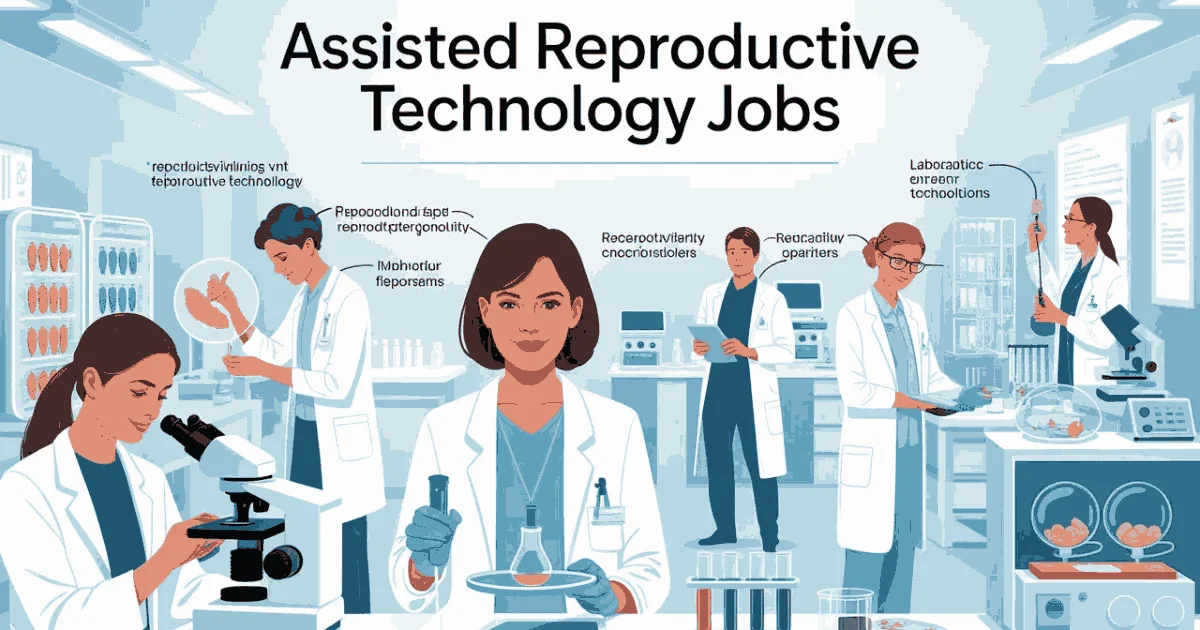
Assisted Reproductive Technology encompasses various roles, each vital to helping individuals achieve their dreams of parenthood.
Embryologists play a crucial role in handling embryos during the IVF process. They analyze and ensure optimal development before implantation.
Reproductive endocrinologists are specialized physicians who diagnose and treat hormonal issues affecting fertility. Their expertise guides patients through complex treatment options.
Nurses in ART facilities provide compassionate care, overseeing patient needs throughout procedures. They educate patients about treatments and offer emotional support during challenging times.
Lab technicians maintain equipment and oversee the quality of samples processed within the lab environment. Their attention to detail ensures high success rates for procedures.
Counselors also contribute significantly by addressing emotional aspects related to infertility. They help clients cope with stress while navigating their reproductive journey, providing essential mental health support amidst medical challenges.
Qualifications and Skills Needed for ART Jobs
Working in assisted reproductive technology requires a unique blend of qualifications and skills. A solid educational background is essential, typically including a degree in biology, nursing, or a related field. Advanced degrees like a master’s or doctorate can open more doors.
Technical proficiency is crucial as well. Familiarity with laboratory techniques and equipment used in ART procedures can set candidates apart. Attention to detail ensures accuracy during critical processes like embryo handling and analysis.
Interpersonal skills play an equally vital role. Professionals must empathize with patients navigating emotional journeys while undergoing treatments. Strong communication abilities help convey complex information clearly and compassionately.
Problem-solving aptitude is also important, as challenges often arise that require quick thinking and adaptability. Balancing scientific knowledge with emotional intelligence creates well-rounded professionals ready to make significant contributions to the field of ART.
Benefits and Challenges of Working in ART
Working in assisted reproductive technology offers significant rewards. You have the chance to make a profound impact on people’s lives by helping them achieve their dreams of parenthood. The emotional fulfillment that comes from witnessing successful pregnancies can be incredibly gratifying.
However, the field is not without its challenges. The work can be emotionally taxing, as you often deal with patients facing difficult circumstances and heartache related to infertility.
Additionally, keeping up with rapid advancements in technology requires continuous education and training. This constant change can feel overwhelming at times.
Team dynamics play a crucial role too; collaboration among medical professionals is essential for success but may lead to interpersonal challenges.
Balancing these highs and lows is key for anyone considering a career in ART. It’s a path filled with purpose yet demands resilience and adaptability.
Growing Demand for ART Professionals
The landscape of assisted reproductive technology is rapidly evolving. As more individuals and couples seek help with infertility, the demand for ART professionals continues to rise.
Advancements in medical science have made fertility treatments more effective and accessible. This surge has led clinics to expand their teams, creating a wealth of job opportunities across various roles.
Healthcare providers are increasingly recognizing the importance of specialized training in this field. Professionals equipped with knowledge about cutting-edge techniques stand out in a competitive job market.
Additionally, societal trends show shifting perceptions around family planning and reproduction. The growing acceptance of diverse family structures further propels the need for skilled ART practitioners who can cater to varied client needs.
With continuous research and innovation, staying current in this field adds another layer of excitement for those pursuing careers within it. The future looks bright for aspiring professionals ready to make an impact on countless lives through ART services.
Top Job Opportunities in the Field of ART
The field of assisted reproductive technology is brimming with diverse career paths. One prominent opportunity is that of a fertility specialist. These medical doctors diagnose and treat infertility, guiding patients through their journeys.
Another key role is the embryologist. They work directly with eggs, sperm, and embryos in the lab, ensuring successful fertilization and development.
Nurse coordinators are also essential within ART clinics. They assist patients by providing education about procedures and emotional support during treatment cycles.
Genetic counselors are growing increasingly vital too. Their expertise helps families understand genetic risks associated with IVF or other treatments.
Laboratory technicians play crucial roles in maintaining equipment and conducting tests necessary for ART processes. Each position contributes significantly to helping hopeful parents achieve their dreams of parenthood in unique ways.
Tips for Landing a Job in Assisted Reproductive Technology
Networking is key in the field of assisted reproductive technology. Attend industry conferences and workshops to connect with professionals. These events often lead to job openings that aren’t advertised publicly.
Tailor your resume and cover letter for each application. Highlight relevant experience, skills, and any specialized training related to ART technologies. Be specific about your contributions in previous roles.
Consider gaining certifications that enhance your qualifications. Programs focused on embryology or reproductive science can set you apart from other candidates.
Stay current with advancements in ART by following research publications and joining professional organizations. This shows potential employers your commitment to the field.
Practice for interviews by preparing thoughtful questions and showcasing your passion for helping individuals achieve their family goals through innovative technologies.
Conclusion
Assisted reproductive technology (ART) jobs offer a unique blend of science, compassion, and innovation. As more individuals seek assistance in their journey to parenthood, the demand for skilled professionals continues to grow. This field not only provides rewarding career opportunities but also makes a meaningful impact on lives.
Whether you’re interested in embryology, nursing, or administrative roles within ART facilities, there are numerous paths to explore. By acquiring the right qualifications and honing essential skills like communication and problem-solving, you can position yourself as a valuable asset in this sector.
The challenges may be significant; however, the benefits often outweigh them. Working in ART allows you to witness profound moments of joy while navigating complex emotional landscapes with patients.
As technology advances and societal attitudes shift toward family planning options, job prospects will remain bright for those entering this field. With careful preparation and insight into what employers look for—such as experience and specialized training—you can find success in assisted reproductive technology careers.
Pursuing a role in ART is not just about securing a job—it’s about joining a dynamic community dedicated to helping others achieve their dreams of starting families. The journey ahead could be life-changing both for you and those whom you’ll support along the way.