


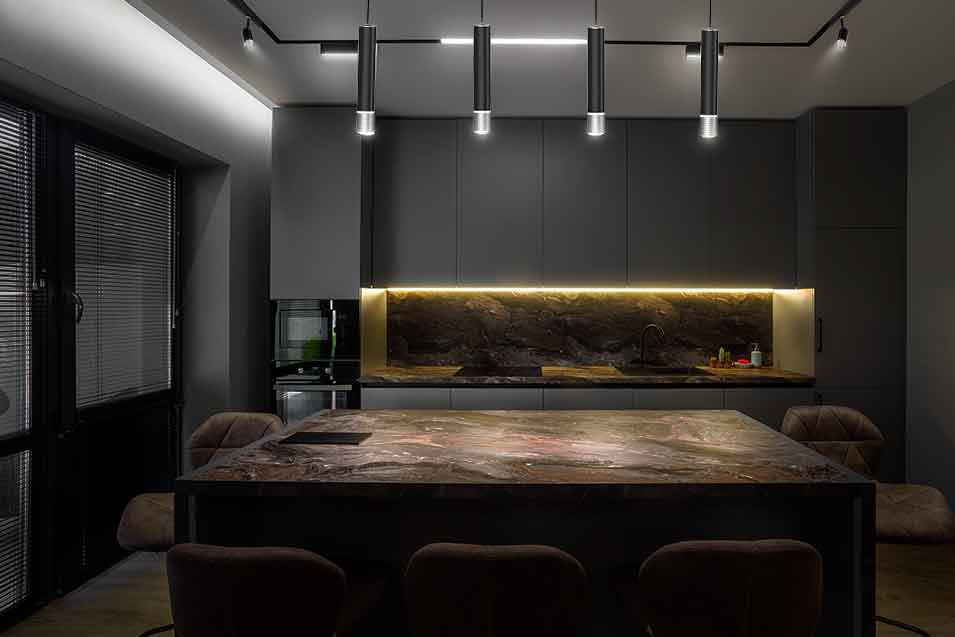
Introduction to Light Strips
Looking to brighten up your space without breaking the bank? Light strips might just be the answer you’re searching for. These flexible, versatile lighting options have taken home décor and energy efficiency to a whole new level. Whether you’re enhancing your living room ambiance or adding flair to your kitchen, light strips can transform any area while keeping energy costs in check. But what makes them stand out from traditional lighting methods? Let’s dive into why light strips are not only an aesthetic choice but also a savvy financial decision when it comes to managing power bills.
- Introduction to Light Strips
- The Benefits of Using Light Strips
- Energy Efficiency of Light Strips compared to traditional lighting methods
- How Light Strips Save Energy and Money
- Environmental Impact of Light Strips
- Tips for Choosing the Most Energy Efficient Light Strips
- Conclusion: The Future is Bright with Light Strips
The Benefits of Using Light Strips
Light strips offer versatility that traditional lighting simply can’t match. They can be easily installed in various spaces, from under cabinets to behind TVs, creating a unique ambiance without the need for complicated fixtures.
One of their standout benefits is customization. With countless colors and brightness levels available, you can set the perfect mood for any occasion. Whether it’s a cozy movie night or an energizing morning routine, light strips adapt effortlessly.
Moreover, they are often dimmable and controllable via smart home systems. This means more convenience at your fingertips with features like scheduling and remote access.
Aesthetically pleasing yet functional, light strips enhance décor while providing necessary illumination. Their sleek design allows them to blend seamlessly into any environment without overwhelming your space.
Energy Efficiency of Light Strips compared to traditional lighting methods
Light strips shine when it comes to energy efficiency, particularly when compared to traditional lighting methods. These modern marvels typically use LED technology, which consumes significantly less power than incandescent or fluorescent bulbs.
For instance, while a standard bulb might draw 60 watts of energy, an equivalent light strip can achieve the same brightness with just 10-15 watts. This stark difference translates into lower electricity usage over time.
Moreover, light strips often have longer lifespans. Many LEDs can last up to 25,000 hours or more. That means fewer replacements and less frequent waste generation—all contributing to their efficiency profile.
The ability to dim and control these strips further enhances their appeal. Users can adjust brightness based on need without wasting excess energy. With such versatility in application and design, it’s clear why many are making the switch from traditional lighting options.
How Light Strips Save Energy and Money
Light strips harness advanced LED technology, which uses significantly less energy than traditional bulbs. This efficiency translates to lower electricity consumption and reduced costs on your power bill.
When you install light strips, you’re not just enhancing your space with vibrant colors; you’re also cutting down on wasteful energy use. Unlike incandescent lights that burn out quickly, LEDs have a longer lifespan—often lasting up to 25 times more than their older counterparts.
The flexibility of light strips allows for targeted lighting that can illuminate specific areas without requiring additional fixtures. By focusing the light where it’s needed most, you can further reduce unnecessary energy expenditure.
Moreover, several smart light strip options allow users to control brightness and color through apps or voice commands. Dimming lights or setting schedules ensures they’re only used when necessary—a fantastic way to maximize savings while enjoying beautiful illumination in your home.
Environmental Impact of Light Strips
Light strips are not just a stylish addition to your home; they also have a positive environmental impact. Unlike traditional incandescent bulbs, most light strips use LED technology, which consumes significantly less energy. This reduction in power usage translates into lower greenhouse gas emissions from power plants.
Moreover, LEDs have longer lifespans compared to conventional lighting options. This means fewer resources are consumed for manufacturing and transporting replacement lights. Fewer replacements equate to reduced waste in landfills over time.
Many light strips are made from recyclable materials as well. When these products reach the end of their life cycles, they can be processed more sustainably than standard bulbs.
Using light strips doesn’t merely enhance your space; it contributes to a greener planet by promoting energy efficiency and reducing overall consumption patterns within households.
Tips for Choosing the Most Energy Efficient Light Strips
When selecting energy-efficient light strips, consider the lumens per watt. Higher lumens indicate brighter light with less power consumption.
Look for LED options. They last longer and use significantly less energy than traditional bulbs. It’s a smart investment over time.
Check the color temperature as well. Warmer temperatures can create inviting atmospheres while using minimal energy.
Evaluate the length and type of strip needed for your space. Some designs are specifically tailored for indoors or outdoors, optimizing efficiency in various environments.
Don’t forget about smart features! Many modern strips offer dimming capabilities and remote controls to help manage usage efficiently.
Read reviews before purchasing. User experiences can guide you towards reliable products that deliver on promises of savings without compromising quality.
Conclusion: The Future is Bright with Light Strips
The future is undeniably bright with light strips leading the way in energy-efficient lighting solutions. As more people seek ways to reduce their carbon footprint and lower their electricity bills, these innovative products stand out as practical options. Not only do they offer vibrant colors and customizable designs, but they also consume significantly less power compared to traditional lighting methods.
By choosing light strips for your home, you not only enhance your living space aesthetically but also contribute positively to the environment. The savings on your power bill can be substantial over time, making them an economically wise choice as well.
As technology advances further, we can expect even more efficient versions of light strips that will continue to push the boundaries of energy conservation. Embracing this trend means embracing a brighter and more sustainable future for all. The charm of light strips lies not just in their glow but in what they represent: a move towards smarter energy use and responsible living choices that benefit both our wallets and our planet.