


Introduction to Solar Panels
Are you tired of rising electricity bills and looking for a sustainable energy solution? Solar panels might just be the answer you’ve been searching for. Harnessing the power of the sun to generate clean energy is not only eco-friendly but can also transform your roof into a source of savings. Imagine reducing your carbon footprint while enjoying significant cost benefits. With advancements in technology, solar panels have become more accessible than ever before, making it an ideal time to consider this renewable energy option for your home. Let’s explore why investing in solar panels could be one of the smartest decisions you make for both your wallet and the environment.
- Introduction to Solar Panels
- Benefits of Solar Panels
- A. Cost Savings
- B. Environmental Impact
- C. Energy Independence
- How Solar Panels Work
- Types of Solar Panel Systems
- Factors to Consider Before Installing Solar Panels
- The Process of Installing Solar Panels on Your Roof
- Maintenance and Upkeep of Solar Panels
- Government Incentives and Tax Credits for Installing Solar Panels
- Common Misconceptions about Solar Panels
Benefits of Solar Panels
Solar panels offer a multitude of benefits that can transform your home and lifestyle.
One of the most appealing advantages is cost savings. By harnessing sunlight, you can significantly reduce or even eliminate your electricity bills over time.
Environmental impact is another crucial factor. Solar energy reduces carbon emissions and helps combat climate change by relying on a renewable source rather than fossil fuels.
Energy independence also plays a vital role in the decision to install solar panels. Generating your own power means less reliance on utility companies, providing peace of mind against fluctuating energy prices.
Additionally, solar installations can increase property value. A home equipped with solar panels becomes more attractive to potential buyers seeking sustainable living solutions.
With these compelling reasons, it’s clear why many homeowners are making the switch to solar for their roofs.
A. Cost Savings
One of the most compelling reasons to consider solar panels for your roof is the significant cost savings they offer. By harnessing sunlight, you can reduce or even eliminate your electricity bills. This shift can lead to substantial savings over time.
Many homeowners notice a dramatic decrease in monthly expenses shortly after installation. The initial investment may seem daunting, but the long-term benefits often outweigh these costs.
In addition to lowering utility bills, solar panels increase property value. Homes equipped with renewable energy features tend to attract buyers willing to pay more for energy-efficient solutions.
Moreover, various financing options and government incentives can make going solar easier on your wallet. Many states offer rebates that further enhance affordability while transitioning toward cleaner energy sources makes financial sense as well as environmental sense.
B. Environmental Impact
Solar panels significantly reduce your carbon footprint. By harnessing the sun’s energy, they generate electricity without releasing harmful emissions. This shift from fossil fuels to renewable energy sources helps combat climate change.
Additionally, solar power conserves precious water resources. Traditional electricity generation often requires vast amounts of water for cooling and processing. In contrast, solar systems use minimal water during operation.
The environmental benefits extend beyond just reducing greenhouse gases. Solar installations promote biodiversity by reducing reliance on land-intensive energy sources like coal or natural gas.
Every rooftop outfitted with solar panels contributes toward a greener planet. The more individuals embrace this technology, the greater the positive impact on our environment becomes. Every step taken in favor of sustainable choices leads us closer to a healthier Earth for future generations.
C. Energy Independence
Energy independence is a powerful motivation for many homeowners considering solar panels. With your own solar system, you generate electricity directly from sunlight. This means you’re less reliant on the grid.
When energy prices fluctuate, having solar panels provides stability. You can produce your own power and reduce or even eliminate monthly utility bills. Imagine not worrying about rising energy costs during peak usage times.
Moreover, in areas prone to outages, solar panels offer reliability. A battery storage system can keep your lights on when the grid goes down. That peace of mind is invaluable.
Choosing a roof for solar installation allows you to harness natural resources effectively. It’s an empowering step towards self-sufficiency in energy consumption while also contributing to broader environmental goals. Your home becomes part of the solution rather than just another consumer of resources.
How Solar Panels Work
Solar panels convert sunlight into electricity using the photovoltaic effect. When sunlight hits the solar cells, it excites electrons, generating direct current (DC) electricity.
This DC electricity flows to an inverter. The inverter transforms it into alternating current (AC), which powers your home appliances and systems.
Excess energy produced during sunny days can be fed back into the grid or stored in batteries for later use. This capability enhances energy independence and reduces reliance on traditional power sources.
Each panel is made up of numerous individual solar cells, typically composed of silicon. These materials are efficient at absorbing sunlight, making them ideal for harnessing solar energy.
With advancements in technology, modern panels are more efficient than ever before. They can capture even a small amount of light on cloudy days or during winter months.
Types of Solar Panel Systems
When exploring options for solar panels, you’ll come across several types of systems. Each type serves different needs and preferences.
Monocrystalline panels are known for their high efficiency. Made from single crystal silicon, they occupy less space while producing more energy. They can be a great fit if roof space is limited.
On the other hand, polycrystalline panels are made from multiple silicon crystals. They tend to be more affordable but can take up slightly more room due to lower efficiency rates.
Then there’s thin-film technology, which offers flexibility and lightweight designs. These panels may not be as efficient but can adapt well to various surfaces beyond traditional roofs.
Hybrid systems combine features of both monocrystalline and thin-film technologies. This versatility allows homeowners to optimize performance based on specific requirements or environmental conditions.
Factors to Consider Before Installing Solar Panels
Before installing solar panels on your roof, several factors demand attention. First, evaluate your roof’s condition. A sturdy structure ensures long-lasting performance for the panels.
Next, consider the orientation and angle of your roof. South-facing roofs generally receive optimal sunlight throughout the day. Trees or nearby buildings that create shade can diminish efficiency.
Local climate plays a significant role too. Areas with consistent sunshine yield better results than regions prone to heavy rain or snow.
Think about energy needs as well. Calculate your monthly electricity usage to determine how many panels you might require.
Check local regulations and homeowners association rules regarding installations. Understanding these guidelines can help avoid potential hassles down the line while ensuring compliance with any necessary permits.
The Process of Installing Solar Panels on Your Roof
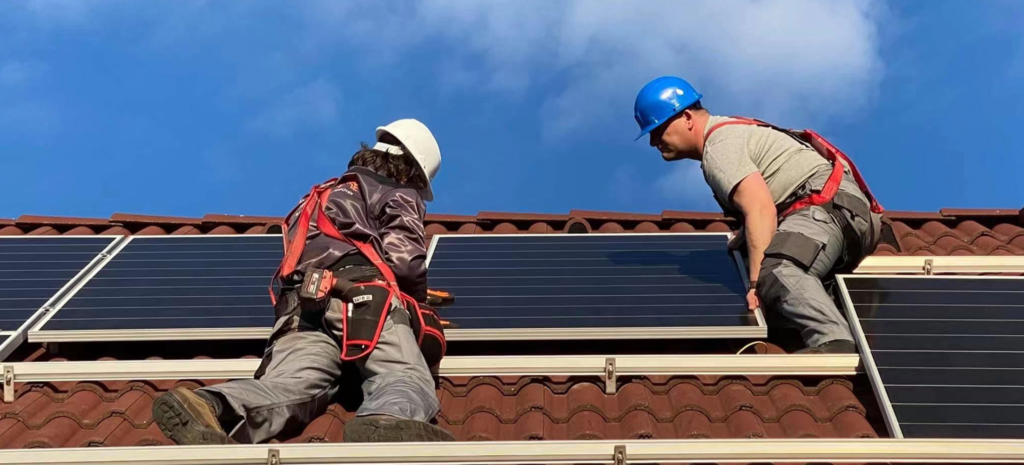
Installing solar panels on your roof involves several key steps. First, a professional evaluation of your roof’s condition and orientation is essential. This ensures it can support the weight and angle needed for optimal energy capture.
Next comes the design phase. Solar experts will create a customized layout based on your energy needs and available space.
Once approved, installation begins with mounting brackets affixed to your roof. Panels are then secured onto these brackets, often requiring minimal disruption to your existing structure.
Afterward, wiring connects the panels to an inverter that converts sunlight into usable electricity.
Inspections ensure everything meets local codes before you flip the switch to harness solar power! Each step is carefully managed by experienced installers who prioritize safety and efficiency throughout the process.
Maintenance and Upkeep of Solar Panels
Maintaining solar panels is relatively simple, yet essential for optimal performance. Regular cleaning helps remove dirt, dust, and debris that can block sunlight and reduce efficiency.
Rain often does a good job of rinsing off the panels. However, in drier climates or areas with heavy tree cover, manual cleaning may be necessary. Use soft brushes or squeegees to avoid scratching the surface.
Inspecting your system periodically is also crucial. Look for any signs of wear or damage on wires and connections. This proactive approach can prevent minor issues from escalating into costly repairs.
Monitoring energy output provides insights into how well your system functions over time. If you notice a significant dip in production without an apparent reason, it might be time to call in professionals.
Most systems require minimal upkeep beyond these tasks, making solar panel ownership both convenient and rewarding long-term.
Government Incentives and Tax Credits for Installing Solar Panels
Government incentives play a crucial role in making solar energy more accessible. Many regions offer financial assistance for homeowners who choose to install solar panels on their roof. These perks can significantly reduce the initial investment.
One of the most notable incentives is the federal tax credit, which allows you to deduct a substantial percentage of your system’s cost from your taxes. This credit often covers both equipment and installation expenses, providing significant savings.
Additionally, some states provide rebates or grants that further lower upfront costs. Local utility companies may also have programs that reward customers for adopting renewable energy sources like solar power.
These incentives not only make installations more affordable but also encourage sustainable living practices within communities. It’s worthwhile to research what options are available in your area before diving into a solar project on your roof.
Common Misconceptions about Solar Panels
Many people hold misconceptions about solar panels that can deter them from making the switch. One of the most common myths is that solar panels only work in sunny climates. In reality, they can generate energy on cloudy days as well; it’s all about capturing available sunlight.
Another frequent concern is that installing solar panels is too expensive and won’t lead to actual savings. However, with declining costs of technology and various financing options available, many homeowners find significant long-term savings on their energy bills.
Some believe solar panel maintenance is overwhelming or excessive, but modern systems require minimal upkeep. Regular cleaning and occasional checks are usually sufficient to keep them running efficiently.
There’s also a notion that having solar panels will lower your home’s value. On the contrary, many homebuyers view properties equipped with renewable energy sources favorably and may be willing to pay more for homes featuring such upgrades.
Some think they need to completely power their house with solar energy alone to reap benefits. While complete independence is an option for some, even partial use of solar can result in substantial savings and reduced reliance on traditional power grids.
Understanding these misconceptions allows you to make informed decisions about whether your roof could benefit from harnessing the sun’s energy through solar panels. The potential advantages are numerous when you look beyond common myths!