


Introduction to Parking Management Systems
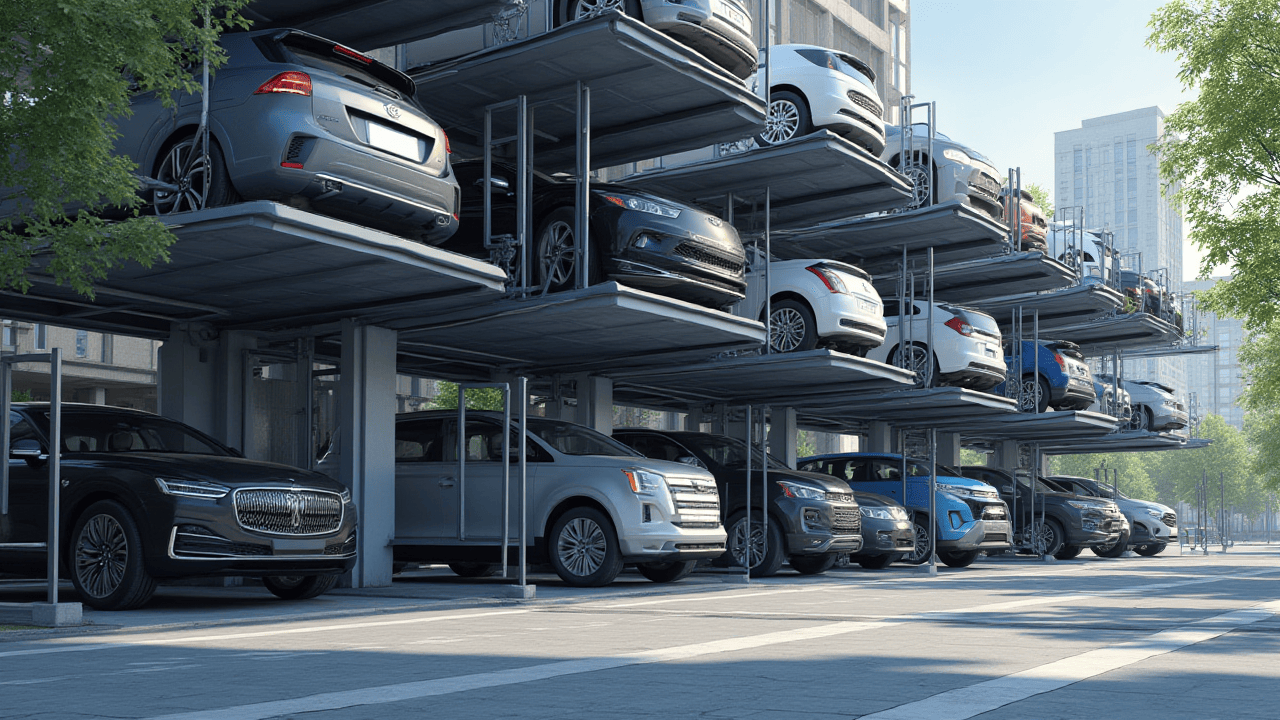
As urban areas grow and evolve, the challenges of managing parking space have become increasingly complex. With limited real estate and a surge in vehicle ownership, cities are facing mounting pressure to optimize their parking infrastructure. Enter the parking management system—a smart solution designed to streamline how we park in our bustling streets.
- Introduction to Parking Management Systems
- Benefits of Implementing a Parking Management System
- How a Parking Management System Works
- Technologies Used in Parking Management Systems
- Case Studies of Cities with Successful Parking Management Systems
- Challenges and Solutions for Implementing a Parking Management System
- Future of Parking Management Systems in Modern Cities
- Conclusion
Imagine driving through a city where finding an available spot is as easy as swiping on your smartphone. No more circling block after block or wasting precious time searching for that elusive open space. Parking management systems can transform this scenario into reality, offering both drivers and city planners innovative tools for efficient parking solutions.
But what exactly is a parking management system? And why has it become essential for modern cities striving for efficiency and sustainability? Let’s dive deeper into this crucial topic and explore the many benefits these systems provide to urban environments.
Benefits of Implementing a Parking Management System
Implementing a parking management system transforms urban mobility. Cities can optimize space usage, ensuring that every spot is accounted for and utilized efficiently.
Reduced congestion stands out as a key advantage. By guiding drivers to available spaces quickly, these systems minimize the time spent searching for parking. This not only eases traffic but also lowers emissions.
Enhanced revenue generation is another significant benefit. With features like dynamic pricing and real-time data analytics, municipalities can adjust rates based on demand. This approach maximizes profits while promoting fair access to limited resources.
User experience improves significantly too. Smartphone apps allow drivers to reserve spots in advance or receive alerts about vacancies nearby, making the entire process seamless and stress-free.
Improved safety often accompanies these systems. Well-managed parking areas reduce illegal practices and increase monitoring capabilities, fostering safer environments for both pedestrians and vehicles alike.
How a Parking Management System Works
A parking management system streamlines the process of finding and using parking spaces in urban areas. It employs a combination of sensors, cameras, and software to monitor available spots in real-time.
When a vehicle approaches a parking facility, the system detects open spaces through ground sensors or overhead cameras. Drivers receive instant information via mobile apps or digital signage about where they can park.
Payment options are also integrated into these systems. Users can pay for their spot through mobile wallets or at automated kiosks, reducing the need for physical cash transactions.
Data analytics plays a critical role as well. By evaluating usage patterns, cities can optimize pricing and improve space allocation based on demand trends. This ensures that every inch of valuable urban land is utilized efficiently without unnecessary congestion.
Technologies Used in Parking Management Systems
Modern parking management systems leverage a variety of innovative technologies to enhance efficiency and convenience. One key component is sensor technology, which detects the availability of parking spaces in real-time. These sensors can be embedded in pavement or mounted overhead.
Another essential aspect involves mobile applications that allow users to find, reserve, and pay for parking spots directly from their smartphones. This added layer of user engagement streamlines the process significantly.
License plate recognition (LPR) has also transformed how municipalities monitor parked vehicles. LPR cameras automatically read license plates as cars enter and exit lots, improving security and tracking compliance with local regulations.
Cloud computing plays a crucial role too, enabling data storage and analytics across multiple platforms. This allows city planners to assess usage patterns effectively and optimize pricing strategies based on demand fluctuations.
Collectively, these technologies work together seamlessly to create smarter urban environments where parking becomes less of a hassle for everyone involved.
Case Studies of Cities with Successful Parking Management Systems
San Francisco is a prime example of effective parking management. The city implemented demand-based pricing, which adjusts rates based on real-time occupancy. This approach not only increased revenue but also ensured that spaces were available when needed most.
Another notable case is Amsterdam, where smart parking meters guide drivers to open spots via a mobile app. This innovation reduces congestion and emissions by minimizing the time spent searching for parking.
Barcelona has taken it further with its extensive sensor network throughout the city’s streets. By monitoring space availability, residents can receive instant updates on free spots through their devices, enhancing convenience while promoting sustainable urban mobility.
These cities illustrate how tailored solutions can transform urban environments into more efficient and user-friendly spaces. Their success stories serve as models for others looking to modernize their own parking systems effectively.
Challenges and Solutions for Implementing a Parking Management System
Implementing a parking management system presents unique challenges. One common issue is resistance from the public. Many individuals fear that new technology might complicate their parking experience or increase costs.
Another challenge lies in integrating with existing infrastructure. Cities often have outdated systems that need upgrades for compatibility, which can be time-consuming and costly.
Data privacy and security are also major concerns. Collecting user data requires robust protection measures to ensure compliance with regulations and maintain public trust.
Fortunately, solutions exist. Engaging communities through outreach initiatives can alleviate fears about change. Demonstrating the benefits of smarter parking can win over skeptics.
Investing in scalable technology allows cities to gradually transition without overwhelming their current systems. Additionally, developing strict data governance policies ensures citizens’ information remains secure while enhancing transparency within the system’s use.
Future of Parking Management Systems in Modern Cities
The future of parking management systems promises significant advancements driven by technology. With the rise of smart cities, these systems will integrate seamlessly with urban infrastructure.
Imagine real-time data sharing between vehicles and parking facilities. This connectivity could lead to automated recommendations for available spots based on individual preferences or needs.
Electric vehicle charging stations can also be incorporated into these systems, making it easier for drivers to find power sources while managing their parking options effectively.
As artificial intelligence becomes more prevalent, predictive analytics will help cities anticipate demand fluctuations. This foresight enables better planning and resource allocation.
Moreover, user-centric apps are set to enhance convenience. Citizens may soon reserve parking spaces in advance or receive notifications about availability right at their fingertips.
Such innovations position parking management as a crucial element in shaping efficient urban mobility solutions that cater to growing populations and evolving lifestyles.
Conclusion
Parking management systems have become vital for the efficient functioning of modern cities. They address the increasing challenges associated with urban parking, such as congestion and frustration among drivers. As more people flock to city centers for work, shopping, or leisure activities, effective parking solutions can significantly enhance overall quality of life.
Cities that invest in advanced parking management systems benefit from streamlined operations and improved accessibility. These systems not only help regulate vehicle flow but also foster a sense of order in crowded environments. The integration of smart technologies allows municipalities to collect real-time data on parking availability, empowering both drivers and city planners.
The journey towards successful implementation may present several hurdles like budget constraints or technological resistance. However, innovative approaches and community engagement can pave the way for overcoming these obstacles.
As we look toward future advancements in technology and urban planning, it’s clear that embracing modernized parking solutions will be integral to creating sustainable cities. Parking management systems are no longer just an option; they are essential tools for enhancing urban mobility while maintaining harmony between vehicles and pedestrians alike.