


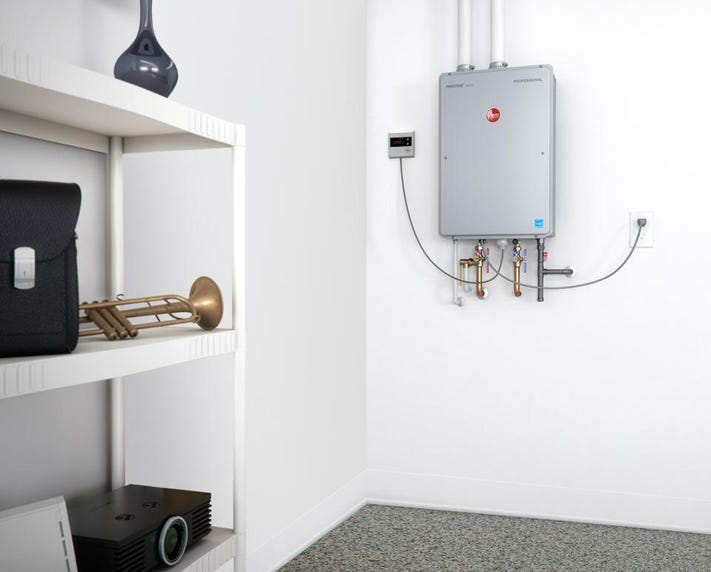
Introduction to tankless water heaters
Are you tired of running out of hot water just when you need it most? Enter the world of tankless water heaters—an innovative solution that promises endless hot showers and a more energy-efficient home. Unlike their traditional counterparts, these sleek devices heat water on demand, providing a constant supply without the bulky storage tanks. With rising utility costs and increasing environmental concerns, many homeowners are making the switch to this modern technology. Curious about how they work and whether they’re right for you? Let’s dive into everything you need to know about tankless water heaters!
- Introduction to tankless water heaters
- Comparison with traditional water heaters
- Benefits of using a tankless water heater
- How does a tankless water heater work?
- Types of tankless water heaters
- Factors to consider when choosing a tankless water heater
- Installation and maintenance tips
- Common misconceptions about tankless water heaters
- Conclusion
Comparison with traditional water heaters
Traditional water heaters store a large volume of hot water in a tank. They heat the water continuously, even when not in use. This method can lead to higher energy bills due to standby heat loss.
Tankless water heaters operate differently by providing hot water on demand. There’s no storage tank, which means they only activate when needed. As a result, these systems can eliminate wasted energy and reduce costs over time.
In terms of space, tankless units are compact compared to their traditional counterparts. They can be installed on walls or tucked into small areas without sacrificing performance.
However, traditional models often come with lower upfront costs and easier installation processes. While both options have pros and cons, choosing between them ultimately depends on individual needs and preferences regarding efficiency and convenience.
Benefits of using a tankless water heater
Tankless water heaters offer a space-saving solution for modern homes. Unlike traditional systems, they don’t require large storage tanks, freeing up valuable utility space.
Energy efficiency is another standout feature. These units heat water on demand rather than maintaining a reservoir of hot water. This means you only use energy when needed, potentially lowering your utility bills significantly.
Consistency in hot water supply is also a major benefit. No more waiting for the tank to refill after long showers or running out of hot water during peak usage times.
Additionally, many tankless models have longer lifespans compared to traditional counterparts. With proper maintenance, they can last over 20 years—much longer than conventional heaters.
These systems are environmentally friendly. By reducing energy consumption and greenhouse gas emissions, they contribute positively to sustainable living practices.
How does a tankless water heater work?
Tankless water heaters operate on a simple yet efficient principle. When you turn on the hot water tap, cold water flows through a pipe into the unit.
This triggers a powerful heating element—either gas or electric—to activate. The heater warms the water instantly, providing a continuous supply without waiting for a tank to fill up.
Because there’s no storage tank involved, these units can deliver hot water whenever it’s needed. This means you can run multiple showers or appliances at once without worrying about running out.
The design also allows for more compact installations since they take up less space compared to traditional models. With fewer components and potential failure points, maintenance tends to be simpler too.
Types of tankless water heaters
Tankless water heaters are available in various types to suit different needs. The two primary categories are electric and gas models.
Electric tankless water heaters use heating elements powered by electricity. They’re compact, making them ideal for smaller spaces or homes without natural gas lines. These units tend to have lower upfront costs, but may result in higher energy bills during heavy usage.
Gas-powered units typically offer greater flow rates. They can heat water more quickly than their electric counterparts, making them a popular choice for larger households with simultaneous hot water demands. However, they require proper venting and might entail higher installation costs due to the necessary gas line setup.
Another option is point-of-use tankless heaters. These small devices provide hot water directly at specific locations like sinks or showers, reducing wait times and minimizing energy loss from long pipe runs. Each type has its unique advantages based on your household’s requirements and infrastructure.
Factors to consider when choosing a tankless water heater
When selecting a tankless water heater, consider your household’s hot water demands. Calculate the peak usage times to determine the flow rate needed. This ensures you won’t run out of hot water during those busy mornings.
Next, think about energy efficiency. Look for models with high energy factor (EF) ratings, as they can save you money on utility bills over time.
Installation location is also key. Some units are designed for indoor use only, while others can be installed outdoors. Ensure that local codes and regulations align with your choice.
Don’t overlook maintenance requirements. Regular upkeep will keep your system running smoothly and extend its lifespan. Choosing a reliable brand with good customer support can make this process much easier down the line.
Installation and maintenance tips
When installing a tankless water heater, proper placement is crucial. Ensure it’s located near the point of use to minimize wait times for hot water.
Check local codes and regulations before installation. Some areas require permits or specific plumbing practices.
For maintenance, regularly flush the system to remove mineral buildup. This helps maintain efficiency and prolongs its lifespan.
Inspect filters and vents periodically. Keeping these clear ensures optimal performance.
Don’t forget about temperature settings; adjusting them can improve energy efficiency while providing adequate hot water supply.
If you notice fluctuations in temperature or flow rate, consider calling a professional for an inspection. Regular checks will keep your unit running smoothly without unexpected surprises down the line.
Common misconceptions about tankless water heaters
Many people believe that tankless water heaters can’t supply enough hot water for multiple outlets simultaneously. However, modern models are designed to handle the demand of several taps running at once.
Another misconception is related to cost. While the initial investment may be higher than traditional units, tankless systems often lead to lower energy bills over time due to their efficiency.
Some also think they require extensive modifications during installation. In reality, many homes can accommodate these units with minimal changes, depending on existing plumbing and electrical setups.
There’s a belief that tankless heaters have a limited lifespan compared to conventional ones. In fact, when properly maintained, they can last significantly longer—often up to 20 years or more!
Conclusion
Tankless water heaters represent a shift in how we think about hot water. They offer convenience, efficiency, and a modern solution to our hot water needs. By understanding the differences between tankless and traditional systems, you can make informed choices for your home.
The advantages of going tankless are numerous. Not only do they save space, but they also provide an endless supply of hot water when needed. Their energy-efficient design means lower utility bills over time.
Understanding how these systems work is crucial for maximizing their benefits. With various types available and specific factors to consider during selection, it’s essential to choose one that fits your household’s needs.
Installation may require professional help but maintaining a tankless system is typically straightforward with regular care. Clearing misconceptions will further enhance the experience of using this innovative technology.
Whether upgrading or building new, considering tankless options could lead to long-term satisfaction and savings in your home’s plumbing setup. Embracing this modern approach might just be the best decision for reliable hot water access at any time!