

Introduction to Replacing Parts
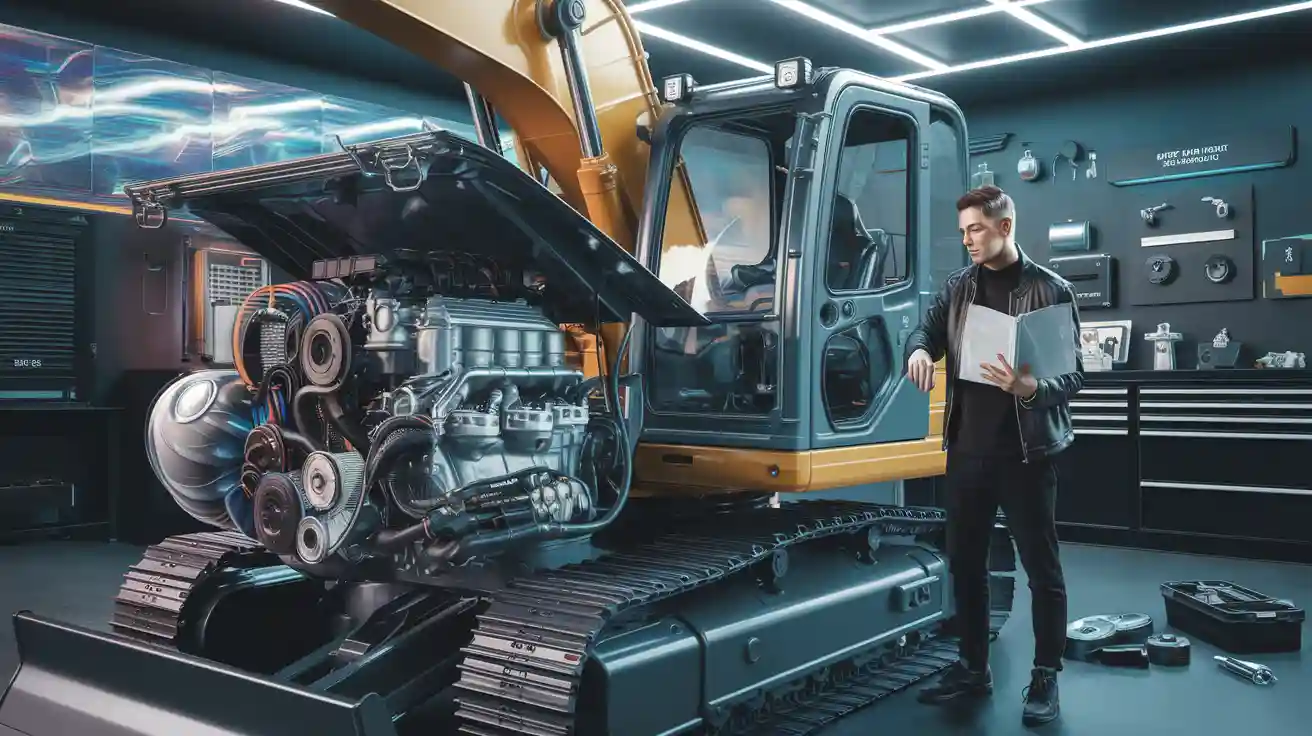
When your trusty appliance or vehicle starts to show signs of wear and tear, it can be frustrating. The good news is that replacing parts can often breathe new life into these essential items. Whether it’s a worn-out brake pad in your car or a broken motor in your kitchen blender, knowing how to handle replacements can save you time and money.
- Introduction to Replacing Parts
- Understanding the Types of Parts Available
- When is Replacement Necessary?
- The Importance of Quality Parts
- How to Choose the Right Replacement Part for Your Needs
- Tips for Properly Installing a Replacement Part
- Common Mistakes to Avoid When Replacing Parts
- Conclusion: Maintaining and Repairing with Replacement Parts
Replacing parts isn’t just about fixing what’s broken; it’s about understanding the options available to you and making informed choices. This guide will help you navigate the ins and outs of part replacement, ensuring you’re equipped with all the knowledge needed for successful repairs. Let’s dive into what makes replacing parts both an art and a science!
Understanding the Types of Parts Available
When it comes to replacing parts, understanding the types available is crucial. Parts can generally be categorized as OEM (Original Equipment Manufacturer), aftermarket, or refurbished.
OEM parts are made by the same company that manufactured your original part. They offer a perfect fit and maintain warranty coverage but often come with a higher price tag.
Aftermarket parts are produced by third-party manufacturers. They can vary in quality and cost but may provide an affordable alternative to OEM options.
Refurbished parts have been restored to working condition and can be a budget-friendly choice. However, their reliability depends on the refurbishing process.
Knowing these distinctions will help you make informed decisions when it’s time to replace components in your devices or vehicles. Each type has its pros and cons based on quality, price, and adaptability for different situations.
When is Replacement Necessary?
Knowing when to replace parts can save you time and money. Signs of wear and tear often indicate it’s time for a change.
If you notice unusual noises coming from your equipment, that’s a red flag. It could mean internal components are wearing out. Ignoring these sounds may lead to bigger issues down the line.
Another indicator is reduced performance. If your machine isn’t running as efficiently as before, it might be struggling due to failing parts.
Physical damage also plays a crucial role in determining replacement needs. Cracks or breaks in components should never be overlooked.
Regular maintenance checks will highlight potential problems early on. Keeping an eye on performance metrics can help catch issues before they escalate into costly repairs or replacements later on.
The Importance of Quality Parts
When it comes to replacing parts, the quality of what you choose matters significantly. High-quality components ensure optimal performance and longevity for your equipment or vehicle. Investing in better materials can save you time and money in the long run.
Quality parts often come with warranties that provide peace of mind. This protection means you’re less likely to face unexpected failures shortly after replacement.
Moreover, well-made parts are designed to fit precisely, reducing wear on surrounding components. This snug fit enhances overall functionality while minimizing the risk of further damage.
Using inferior options may seem cost-effective initially but can lead to costly repairs down the line. Trustworthy brands usually offer reliability backed by rigorous testing standards that cheaper alternatives simply cannot match.
Choosing quality should be a priority when considering replacements—your future self will thank you for it!
How to Choose the Right Replacement Part for Your Needs
Choosing the right replacement part can feel overwhelming, especially with so many options available. Start by identifying the specific part number of your original component. This information is crucial for ensuring compatibility.
Next, consider the type of material used in the replacement part. Different materials offer varying levels of durability and performance. For instance, metal may last longer than plastic but could be heavier.
Don’t forget to evaluate manufacturer reputation. Trusted brands often provide better quality parts that come with warranties or guarantees.
Factor in your budget while ensuring you’re not compromising on quality for a lower price. Sometimes spending a little more now saves bigger headaches down the line.
Taking these steps will help you find exactly what you need without unnecessary stress or guesswork.
Tips for Properly Installing a Replacement Part
Before diving into installation, gather all necessary tools. Having everything ready will make the process smoother.
Always consult the manufacturer’s manual for specific instructions. Each part can have unique requirements and guidelines that ensure proper fit and function.
Clean the area where you’ll be working. Dirt or debris can cause issues with the new part’s performance. A clean workspace contributes to a successful replacement.
When removing old parts, take your time. Rushing increases the risk of damaging surrounding components. Document each step if needed; photos can help during reassembly.
Ensure that you securely fasten any screws or bolts after installing a new part. Loose connections can lead to further complications down the road.
Don’t forget to test your equipment post-installation. Run it through its paces to confirm everything is functioning as it should before wrapping up your project.
Common Mistakes to Avoid When Replacing Parts
When replacing parts, one of the most common mistakes is assuming all components are interchangeable. Always check compatibility to avoid frustration later.
Ignoring the manufacturer’s guidelines can lead to improper installation. Each device has specific instructions that ensure optimal performance and safety.
Another frequent error is overlooking necessary tools. Having the right equipment on hand saves time and prevents damage during replacement.
Failing to inspect surrounding areas for additional issues can also be problematic. Sometimes a symptom points to larger underlying problems that need addressing first.
Neglecting quality when purchasing replacement parts may seem like a cost-saving choice, but it often results in more repairs down the road. Choose wisely; your investment in quality pays off in durability and peace of mind.
Conclusion: Maintaining and Repairing with Replacement Parts
Maintaining and repairing your equipment or vehicle with replacement parts is a proactive approach to ensuring longevity and optimal performance. Understanding the importance of quality, knowing when replacements are necessary, and selecting the right parts can significantly enhance your experience.
The process of replacing parts doesn’t have to be daunting. With the right knowledge and tools, you can tackle repairs efficiently. Avoiding common mistakes will also save you time and stress. Regular maintenance combined with timely replacements not only extends the life of your assets but also keeps them running smoothly.
Embracing this practice empowers you to take control of your investments while enhancing their functionality. So whether you’re upgrading components for better efficiency or simply fixing what’s broken, being informed about replacing parts makes all the difference in keeping things working well for years to come.