


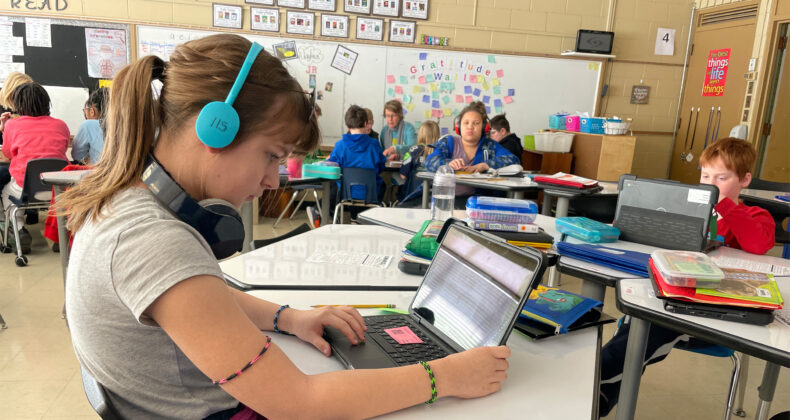
Introduction to the Infinite Classroom
Imagine a world where learning knows no bounds. A place where classrooms extend beyond four walls, connecting students with knowledge from every corner of the globe. Welcome to the concept of the Infinite Classroom—a transformative approach that reshapes how we think about education. In this innovative environment, traditional barriers crumble and opportunities flourish. It’s not just about textbooks and lectures; it’s an immersive experience that empowers learners to explore at their own pace and in their own way.
In this blog post, we’ll dive into what makes the Infinite Classroom so revolutionary. We’ll explore its history, benefits, and real-world applications while also addressing some challenges along the way. Whether you’re an educator seeking fresh ideas or a lifelong learner curious about new methods, there’s something here for everyone who dreams of endless possibilities in education. Let’s embark on this journey together!
The History and Background of the Concept
The concept of the Infinite Classroom has roots in the evolution of educational theories. In the early 20th century, educators began to emphasize experiential learning and collaborative environments. These ideas laid the groundwork for more flexible teaching models.
As technology advanced, so did access to information. The rise of the internet transformed traditional classrooms into dynamic spaces where resources were limitless. This shift allowed educators to rethink how knowledge is delivered.
In recent years, blended learning emerged as a key component of this concept. It combines online digital media with traditional face-to-face classroom methods. The integration fosters a continuous learning environment that goes beyond physical boundaries.
Moreover, global challenges like pandemics have further accelerated this transformation in education. With remote learning becoming essential, educators embraced innovative approaches that encapsulate what we now refer to as the Infinite Classroom.
Benefits of the Infinite Classroom
The Infinite Classroom revolutionizes the learning experience. It breaks down traditional barriers, allowing students to engage in a dynamic environment. This flexibility enables personalized education tailored to individual needs.
Collaboration becomes seamless. With global connectivity, learners can interact with peers and experts worldwide, enhancing their understanding and perspective on various topics.
Accessibility is another key advantage. Students from diverse backgrounds can access resources anytime, anywhere. This democratization of knowledge fosters inclusivity and equal opportunities for all.
Moreover, technology integration enriches the curriculum. Interactive tools and multimedia resources cater to different learning styles, making lessons more engaging and impactful.
Lifelong learning thrives within this model. The Infinite Classroom nurtures curiosity beyond classroom walls, encouraging students to explore subjects at their own pace long after formal education ends.
Implementation of the Infinite Classroom Model
Implementing the Infinite Classroom model requires a shift in traditional teaching methods. It embraces technology while promoting collaboration among students. Educators must first familiarize themselves with various digital tools that facilitate learning.
Creating an engaging online platform is crucial. This space can house resources, assignments, and forums for discussion. Teachers should encourage students to take ownership of their learning experiences by contributing content or leading discussions.
Additionally, flexible scheduling plays a vital role. The Infinite Classroom thrives on asynchronous learning opportunities, allowing students to engage at their own pace. This approach caters to diverse learning styles and schedules.
Professional development for educators is essential too. Workshops focused on innovative teaching practices can empower teachers to embrace this new model confidently. Building a community around the Infinite Classroom fosters continuous growth and adaptation in educational environments.
Examples of Successful Infinite Classrooms
Many schools worldwide have embraced the concept of the Infinite Classroom, showcasing its potential in diverse environments.
One notable example is Montclair State University. Their approach integrates online resources with traditional lectures, enabling students to learn at their own pace. This blend fosters a deeper understanding and encourages collaboration among peers.
Another inspiring case can be found in Finland’s education system. Some Finnish schools have adopted an infinite classroom model that emphasizes outdoor learning and real-world experiences. Students engage with nature while developing critical thinking skills through hands-on activities.
In California, a unique program utilizes virtual reality technology to create immersive educational experiences. Students can explore historical sites or scientific phenomena without leaving their classrooms, transforming how they perceive learning.
These examples illustrate how innovative practices within the Infinite Classroom framework lead to enhanced engagement and improved outcomes for learners across various age groups and subjects.
Challenges and Criticisms of the Concept
The concept of the Infinite Classroom is not without its challenges. One significant concern revolves around access to technology. Not all students have equal resources, which can widen existing educational disparities.
Another criticism relates to the potential for information overload. With endless content available, learners may struggle to navigate and prioritize what is essential for their education.
Additionally, there’s a risk that traditional teaching methods might be undermined. Some educators worry about losing valuable face-to-face interactions that foster connection and collaboration among students.
Moreover, assessment methods need re-evaluation in this model. Standardized testing may not accurately reflect a student’s understanding or engagement in an infinite learning environment.
Resistance from educators accustomed to conventional pedagogies poses another obstacle. Change can be uncomfortable, even when it promises innovation and improvement in educational practices.
Future Possibilities and Impact on Education
The future of the Infinite Classroom holds immense potential for transforming education. Digital technology continues to evolve, creating new avenues for collaboration and engagement among students. Virtual reality could immerse learners in experiences beyond traditional walls.
With artificial intelligence, personalized learning becomes a reality. Tailored resources can adapt to individual needs, making education more effective. This flexibility allows educators to focus on fostering critical thinking rather than rote memorization.
Global connectivity offers unprecedented opportunities for cultural exchange. Students from diverse backgrounds can collaborate on projects in real-time, enhancing their social skills and broadening their perspectives.
Moreover, lifelong learning may gain traction as people embrace continuous development outside conventional schooling systems. This shift encourages curiosity and self-directed exploration across all ages.
As schools rethink their structures and roles, incorporating the Infinite Classroom model suggests a move toward holistic education that values creativity alongside academic achievement.
Conclusion
The concept of the Infinite Classroom is transforming the landscape of education. By breaking down traditional barriers, it opens up new avenues for learning and engagement. The model fosters a collaborative environment where students can thrive in their quests for knowledge.
With its roots deeply embedded in technology and pedagogy, the Infinite Classroom bridges gaps that were once challenging to overcome. Its benefits are clear: accessibility, flexibility, and diversification of learning experiences make it an attractive option for educators and learners alike.
Implementing this approach requires thoughtful planning and creativity but has proven successful in many cases across different educational settings. As schools around the world experiment with this model, we see innovative classrooms emerging that prioritize student-centered learning.
However, challenges remain. Critics point out potential issues such as resource disparities and concerns about screen time or social interaction. Addressing these critiques will be essential as we move forward.
Looking ahead, the possibilities appear vast. The Infinite Classroom could redefine not just how students learn but also how teachers facilitate education. This evolution may lead us toward a more inclusive future where every learner’s needs are met effectively.
As society continues to adapt to technological advancements, embracing concepts like the Infinite Classroom might just be what we need to revolutionize education on a global scale.