

Introduction to Dress Design and Balance
Dress design is an art form that combines creativity with technical skill, resulting in stunning garments that make a statement. Among the many elements that contribute to a successful dress, balance stands out as a critical factor. When achieved, it elevates the overall aesthetic and enhances wearability. The perfect balance in dresses can transform an ordinary piece into something extraordinary.
- Introduction to Dress Design and Balance
- Understanding the Concept of Balance in Design
- The Role of Balance in Enhancing a Dress’s Overall Look
- Different Types of Balance in Dress Design
- Tips for Achieving Balance in Dress Design
- Case Studies: Examples of Well-Balanced Dresses
- The Impact of Imbalance in Dress Design
- Conclusion: Importance of Considering Balance in Dress Design
But what exactly does “balance” mean in the world of fashion? It’s more than just symmetry; it’s about creating harmony between different design elements—shapes, colors, patterns, and silhouettes—that come together seamlessly. This blog will explore why achieving this equilibrium is essential for any designer or fashion enthusiast looking to create memorable pieces that resonate with their audience.
Join us as we delve deeper into the concept of balance in dress design and uncover how you can apply these principles to achieve stunning results!
Understanding the Concept of Balance in Design
Balance in design is all about harmony. It’s the way elements are arranged to create visual stability. In dress design, this means considering how different parts of a garment interact with each other.
Think about symmetry and asymmetry. Symmetrical designs offer a sense of order, while asymmetrical ones can evoke excitement and movement. Both have their place depending on the mood you want to capture.
The weight of fabric also plays a role. Heavier materials tend to pull down and affect balance differently than lighter fabrics do. Understanding these nuances helps designers make intentional choices that enhance the overall aesthetic.
Color and pattern contribute too. A bold print on one side may need counterbalancing details elsewhere for equilibrium. Recognizing how these factors interrelate enables creators to craft dresses that not only look good but feel harmonious as well.
The Role of Balance in Enhancing a Dress’s Overall Look
Balance plays a crucial role in enhancing the overall look of a dress. It creates visual harmony that draws the eye and keeps it engaged. When balance is achieved, each element complements the others, making the design feel intentional.
A well-balanced dress allows for movement and flow. The placement of features like patterns, colors, or embellishments can either enhance or detract from this effect. Too much weight on one side can create an awkward silhouette.
Think about proportions as they relate to body shape. A balanced design can highlight curves while providing comfort and confidence to the wearer. It invites admiration without overwhelming.
The strategic use of lines also contributes significantly to balance in dresses. Vertical lines elongate, while horizontal ones add width; both need careful integration for a polished appearance.
Achieving perfect balance transforms a simple garment into an extraordinary piece that truly stands out.
Different Types of Balance in Dress Design
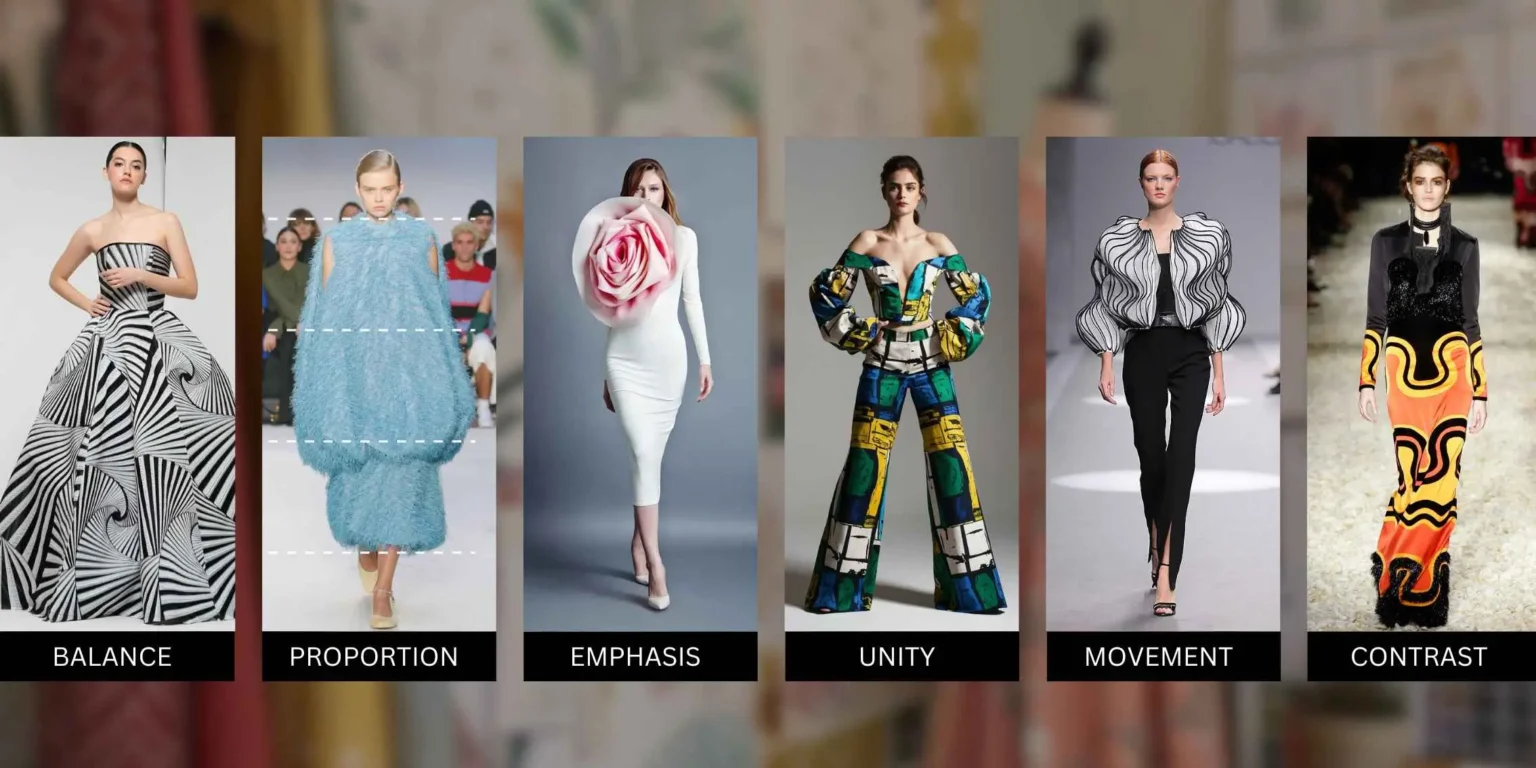
Balance in dress design can be categorized into several distinct types, each contributing to the overall harmony of a garment. Symmetrical balance is one of the most common forms. This occurs when both sides of a dress mirror each other, creating a sense of stability and order.
Asymmetrical balance offers a more dynamic approach. Here, elements are intentionally unequal but still achieve visual equilibrium through strategic placement and scaling.
Radial balance involves elements radiating from a central point. Think about dresses with intricate patterns or embellishments that draw the eye inward.
Another type is color balance. Utilizing contrasting shades can create an engaging look while maintaining harmony within the design.
Textural balance plays its part too. Combining different fabrics or textures adds depth without overwhelming the viewer’s senses. Each type has its own charm and significance in crafting that perfect look.
Tips for Achieving Balance in Dress Design
Achieving perfect balance in dresses starts with understanding proportions. Consider the silhouette, and how it interacts with different body shapes. A-line skirts can provide a soft flow that complements various figures.
Play with colors and patterns as well. A bold print on one part of the dress can draw attention, but balance it out with solid hues elsewhere. This creates harmony without overwhelming the viewer.
Textures also play a crucial role. Mixing materials like lace and cotton can add depth while maintaining equilibrium. Be mindful not to overcrowd your design; simplicity often speaks volumes.
Think about accessories carefully. They should enhance rather than distract from your balanced design. Choose statement pieces that resonate with the overall theme of your dress for an effortlessly chic look.
Case Studies: Examples of Well-Balanced Dresses
One striking example of perfect balance in dresses is the iconic A-line silhouette. This shape elegantly flares out from the waist, creating a harmonious proportion that flatters various body types. Designers like Dior have mastered this style, showcasing how an A-line dress can enhance femininity while maintaining structural integrity.
Another noteworthy case is the asymmetrical hemline seen in modern designs. By introducing varying lengths on either side, designers create visual interest without sacrificing balance. It plays with proportions and draws attention to the legs beautifully.
The classic wrap dress by Diane von Furstenberg exemplifies balanced design through its clever use of fabric and fit. The way it cinches at the waist creates an hourglass figure that appeals to many women, highlighting curves in just the right places.
These examples illustrate how thoughtful consideration of balance elevates a dress from ordinary to extraordinary, captivating wearers and admirers alike.
The Impact of Imbalance in Dress Design
Imbalance in dress design can dramatically affect the overall aesthetic. When elements like proportion, color, and texture are unevenly distributed, the result may be jarring rather than harmonious.
For instance, a dress with an overly embellished top paired with a plain skirt can create visual confusion. It draws attention away from the wearer’s natural silhouette.
Moreover, imbalance can lead to discomfort. If one side of a garment is heavier or more complex than the other, it may feel awkward when worn.
Fabric flow also plays a crucial role; mismatched drapes can disrupt movement and gracefulness. This impacts how confidence is perceived by others.
Even minor details matter—like buttons or seams that skew off-center—can detract from an otherwise beautiful piece. These imperfections highlight why balance is essential in achieving captivating dress designs that resonate well with both fashion enthusiasts and casual wearers alike.
Conclusion: Importance of Considering Balance in Dress Design
When it comes to dress design, achieving the perfect balance is not just an aesthetic choice; it’s a fundamental principle that can dramatically influence how a garment looks and feels. Balance ensures that all elements of the dress work in harmony with one another, creating visual appeal and enhancing wearability.
A well-balanced dress flatters the figure, highlights the right features, and allows for comfortable movement. Whether you’re drawn to symmetrical designs or prefer asymmetrical ones, understanding how balance plays into your choices will elevate your creations.
Ignoring this key aspect can lead to awkward silhouettes and unflattering proportions. Designers should always strive for that harmonious equilibrium between fabric weight, color distribution, patterns, and details.
By focusing on achieving perfect balance in dresses from the outset of your design process, you create garments that resonate with beauty and confidence—qualities every wearer seeks when selecting their wardrobe essentials.