

Introduction to Resistive Barrier Coatings
In a world where durability and performance are paramount, resistive barrier coatings have emerged as a game-changer across various industries. These specialized coatings offer protection against wear, corrosion, and other damaging elements that can compromise the integrity of materials. Whether you’re in manufacturing, construction, or any field requiring robust solutions, understanding when to use these coatings is crucial for maintaining efficiency and longevity. As we dive deeper into the fascinating world of resistive barrier coatings, you’ll discover their purpose, benefits, and the specific applications that make them indispensable. Get ready to unlock the potential of your projects with powerful protective measures designed to withstand the test of time!
- Introduction to Resistive Barrier Coatings
- Understanding the Purpose and Benefits of Resistive Barrier Coatings
- Different Types of Resistive Barrier Coatings and Their Uses
- Industries That Can Benefit from Resistive Barrier Coatings
- Factors to Consider When Choosing a Resistive Barrier Coating
- Proper Application Techniques for Maximum Effectiveness
- Common Misconceptions About Resistive Barrier Coatings
- Conclusion: The Importance of Using Resistive Barrier Coatings in
Understanding the Purpose and Benefits of Resistive Barrier Coatings
Resistive barrier coatings serve a crucial role in protecting surfaces from various environmental challenges. These coatings act as a shield, preventing corrosion and wear that can compromise the integrity of materials.
One key benefit is their ability to resist chemical exposure. Many industrial environments involve harsh substances that can degrade unprotected surfaces. Resistive barrier coatings create an effective line of defense, prolonging the lifespan of equipment.
Moreover, these coatings enhance thermal stability. They help manage heat transfer and protect against extreme temperature fluctuations, which is vital in sectors like aerospace and automotive.
Another significant advantage lies in maintenance reduction. By minimizing damage over time, they lower repair costs and downtime. This makes them not only cost-effective but also boosts productivity across industries.
The versatility of resistive barrier coatings means they can be tailored for specific applications, ensuring optimal performance no matter the setting or conditions faced.
Different Types of Resistive Barrier Coatings and Their Uses
Resistive barrier coatings come in various forms, each tailored for specific applications. Epoxy-based coatings are popular due to their strong adhesion and chemical resistance. They excel in environments where moisture is a concern.
Polyurethane coatings offer flexibility, making them ideal for surfaces that experience expansion or contraction. Their durability ensures long-lasting protection against wear and tear.
Ceramic-based resistive barriers provide exceptional heat resistance. They’re often used in high-temperature industrial settings or on exhaust systems where traditional coatings might fail.
For more specialized needs, conductive polymer coatings can be applied to electronics. These help prevent electrostatic discharge while maintaining the integrity of sensitive components.
Nano-coatings represent cutting-edge technology with unique properties like self-cleaning capabilities and enhanced UV resistance. Each type serves distinct purposes across different industries, ensuring optimal performance wherever they’re applied.
Industries That Can Benefit from Resistive Barrier Coatings
Resistive barrier coatings are invaluable across various industries. In the aerospace sector, they protect components from intense thermal stress and oxidation, ensuring safety and performance.
Manufacturing facilities also reap benefits. These coatings enhance machinery lifespan by preventing corrosion and wear caused by harsh chemicals. This leads to reduced downtime and maintenance costs.
The automotive industry relies on resistive barrier coatings to improve fuel efficiency while protecting engines from extreme environments.
In electronics, these coatings provide essential insulation that enhances the durability of circuit boards against moisture and contaminants.
Even in construction, buildings can utilize these barriers to safeguard structural elements from environmental damage. The versatility of resistive barrier coatings makes them an essential choice for many sectors aiming for longevity and reliability in their products.
Factors to Consider When Choosing a Resistive Barrier Coating
When choosing a resistive barrier coating, several factors come into play. First, consider the environment where the coating will be applied. Different conditions, like humidity and temperature fluctuations, can impact performance.
Next, evaluate compatibility with existing materials. The best coatings should bond well without causing adverse reactions.
The intended application also matters. For instance, coatings meant for industrial use need to withstand higher stresses than those used in household items.
Cost is another critical aspect. While it’s tempting to opt for cheaper options, investing in high-quality resistive barrier coatings often pays off in longevity and durability.
Review manufacturer specifications and recommendations. They provide valuable insight into optimal usage scenarios that can enhance your decision-making process.
Proper Application Techniques for Maximum Effectiveness
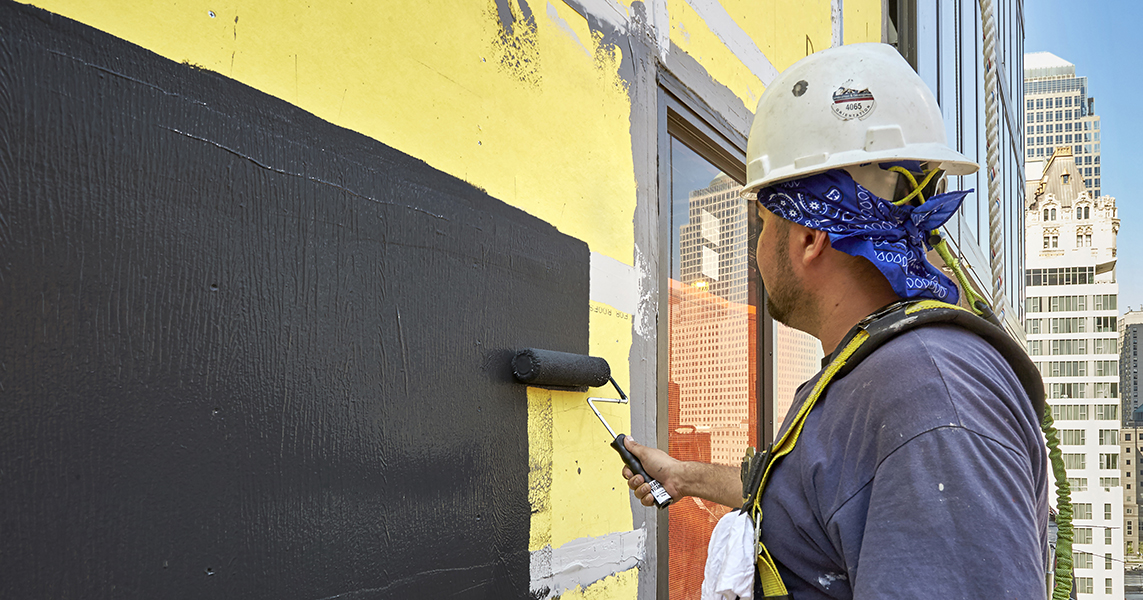
Proper application techniques are essential for maximizing the effectiveness of resistive barrier coatings. Start with a clean surface; dirt, grease, and moisture can compromise adhesion. Use appropriate cleaning agents to prepare the area thoroughly.
Temperature plays a crucial role in application too. Ensure that both the coating and substrate are at optimal temperatures as specified by the manufacturer. This promotes better bonding and curing.
When applying the coating, follow recommended thickness guidelines closely. Too thick may lead to defects, while too thin could reduce efficacy.
Consider using spray methods or brushes depending on your specific needs. Spraying allows for even coverage in large areas, while brushing is ideal for intricate details.
After application, allow sufficient curing time as indicated on product labels. Rushing this step can diminish performance and longevity significantly. Regular checks during this period ensure everything sets correctly without issues arising later on.
Common Misconceptions About Resistive Barrier Coatings
Many people assume that resistive barrier coatings are only useful for extreme environments. While they excel in such conditions, their benefits extend to a wide range of applications.
Another common misconception is that these coatings are too expensive. In reality, the long-term savings from reduced maintenance and increased durability often outweigh initial costs significantly.
Some think that applying resistive barrier coatings is complicated and time-consuming. However, with proper training and techniques, many can be applied efficiently without extensive downtime.
There’s a belief that all resistive barrier coatings are the same. In fact, different formulations cater to specific needs—such as chemical resistance or thermal stability—making it crucial to choose wisely based on your unique requirements.
Conclusion: The Importance of Using Resistive Barrier Coatings in
Resistive barrier coatings play a crucial role in enhancing the longevity and performance of various surfaces. They act as effective shields against corrosion, chemical attacks, and wear. This protection proves vital across numerous industries, from manufacturing to aerospace.
When selecting resistive barrier coatings, it’s essential to consider specific factors like environmental conditions and application methods. Adhering strictly to proper application techniques ensures that these coatings deliver maximum effectiveness.
Understanding common misconceptions can also help users make informed decisions about their use. By dispelling myths surrounding resistive barrier coatings, businesses can harness their true potential.
Integrating resistive barrier coatings into your operations not only extends the lifespan of equipment but also reduces maintenance costs over time. The advantages are clear; investing in quality coatings is an investment in efficiency and durability for any industry concerned with surface integrity.