

Introduction to Teeth and Bones
When you think about teeth and bones, the first question that might pop into your mind is: are they really that different? After all, both are hard structures in our bodies. But dig a little deeper, and you’ll find some fascinating distinctions between these two vital components of our anatomy. While they share similarities, each plays a unique role in keeping us healthy and functioning well.
- Introduction to Teeth and Bones
- The Composition of Teeth and Bones
- A. Structure
- B. Minerals
- Functions of Teeth and Bones
- Differences in Formation and Growth
- Differences in Repair and Regeneration
- Unique Characteristics of Teeth
- A. Enamel
- B. Dentin
- Unique Characteristics of Bones
- A. Bone Marrow
- B. Bone Density
- Importance of Taking Care of Teeth and Bones
Understanding what makes teeth different from bones can help clarify common misconceptions—like whether or not teeth are considered bones themselves. So let’s explore their compositions, functions, growth patterns, and why it’s crucial to take care of them both!
The Composition of Teeth and Bones
Teeth and bones share similarities but differ significantly in their composition. Both are primarily made of mineralized tissue, yet their structures vary.
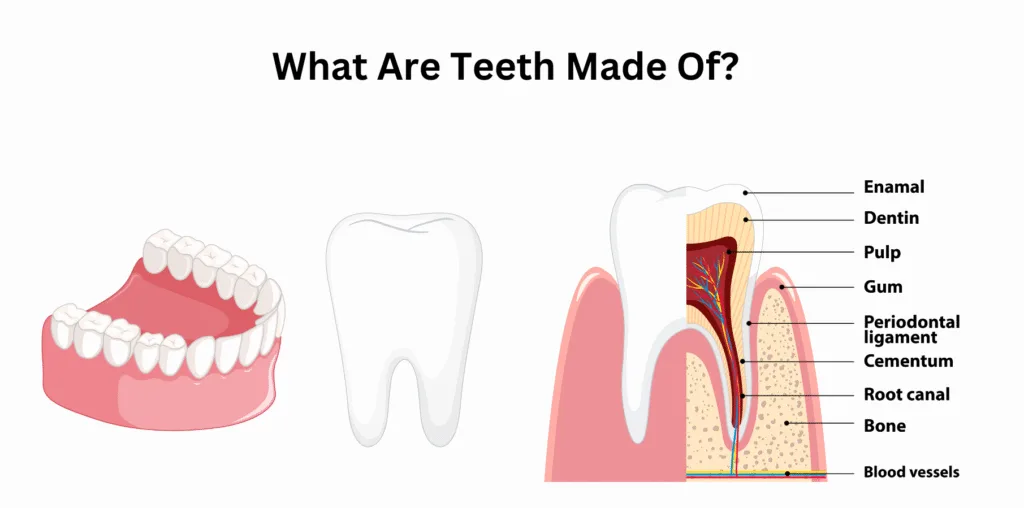
Teeth consist mainly of enamel, dentin, and pulp. Enamel is the hardest substance in the human body, providing protection against decay. Beneath it lies dentin, a softer layer that supports enamel while housing nerve endings.
Bones are more complex. They contain a mix of organic components like collagen and inorganic minerals such as calcium phosphate. This combination gives bones strength and flexibility.
Another key difference is bone marrow’s presence in bones—critical for producing blood cells. Teeth lack this feature entirely; they don’t regenerate or replenish themselves like bones do.
Understanding these distinctions sheds light on why teeth cannot be classified as mere bones despite some structural similarities.
A. Structure
Teeth and bones may seem similar at first glance, but their structures are quite distinct. Teeth are not living tissues like bones; they have a more rigid framework.
The outer layer of teeth is enamel, which is the hardest substance in the human body. Beneath it lies dentin, a softer material that makes up most of the tooth’s bulk. Dentin contains tiny tubules that connect to nerve endings, playing a crucial role in sensitivity.
Bones, on the other hand, consist of a complex matrix made primarily of collagen fibers and minerals. This structure gives bones strength while still allowing some flexibility.
While both serve essential functions for our bodies, their structural differences highlight why teeth cannot be classified as bones despite common misconceptions.
B. Minerals
Teeth and bones have distinct mineral compositions that contribute to their unique functionalities.
Both are primarily made up of calcium, which provides strength. However, teeth also contain a significant amount of phosphate. This combination forms hydroxyapatite, the crystalline structure responsible for tooth hardness.
In contrast, bones have a more varied mineral content. They include not only calcium and phosphate but also magnesium and carbonate ions. These minerals grant bones flexibility while maintaining structural integrity.
The presence of fluoride in teeth is another key difference. Fluoride enhances enamel’s resistance to decay by making it less soluble in acid. Bones do not benefit from this mineral in the same way.
Understanding these differences can help us appreciate why dental care requires different considerations than bone health does.
Functions of Teeth and Bones
Teeth and bones serve essential roles in the body, though their functions differ significantly. Teeth primarily focus on the mechanical breakdown of food. They help in chewing, which aids digestion by making nutrients more accessible.
Bones, on the other hand, are crucial for structural support. They provide a framework that maintains our shape and protects vital organs. The skeletal system also plays a role in movement by anchoring muscles.
Another important function of bones is mineral storage. Bones hold calcium and phosphorus, serving as reservoirs to maintain necessary levels for various bodily functions.
In contrast, teeth do not store minerals but are exposed to wear and tear throughout life due to their constant use. This makes understanding their unique functionalities vital for overall health maintenance.
Differences in Formation and Growth
Teeth and bones undergo different processes during their formation and growth. Teeth develop through a process called odontogenesis. This complex journey begins in the womb, as tooth buds form from specialized cells.
Once teeth erupt, they do not continue to grow like bones do. Instead, they remain static after reaching maturity. This limited growth is one reason why dental health requires lifelong attention.
On the other hand, bones are dynamic structures that constantly remodel throughout life. They adapt based on stress and physical activity, reshaping themselves accordingly.
This remodeling helps maintain bone density and strength over time. While both teeth and bones play crucial roles in our bodies, their developmental pathways highlight fundamental differences between these two essential components of our anatomy.
Differences in Repair and Regeneration
Teeth and bones differ significantly in their ability to repair and regenerate. When a bone breaks, the body initiates a complex healing process. This occurs through various stages, including inflammation, soft callus formation, hard callus development, and finally remodeling. Bones continuously adapt based on stress and strain.
On the other hand, teeth lack this regenerative capability. Once damaged or decayed, they do not heal themselves naturally. Instead of regeneration, we often rely on dental interventions like fillings or crowns to restore function.
The stark contrast highlights how bones can recover from injury while teeth require external help for restoration. Understanding these differences is crucial for maintaining oral health alongside skeletal well-being.
Unique Characteristics of Teeth
Teeth have distinct properties that set them apart from other body structures. One of the most notable features is enamel, the outer layer that protects the tooth. It’s incredibly hard and serves as a shield against decay. Enamel is actually the hardest substance in the human body.
Beneath this protective covering lies dentin, which is softer than enamel but still quite resilient. Dentin contains tiny tubes that can transmit sensations like hot or cold to nerves within the tooth.
Unlike bones, teeth do not contain living cells in their outer layers. This means they can’t heal themselves if damaged. Once an enamel layer wears away or a cavity forms, professional intervention becomes necessary for restoration.
The unique composition of teeth makes oral care essential for maintaining their health and longevity over time. Proper hygiene habits are crucial to preserving these remarkable structures throughout life.
A. Enamel
Enamel is the outermost layer of our teeth, serving as a protective shield against daily wear and tear. It’s the hardest substance in the human body, even tougher than bone. This durability helps it withstand biting forces and resist decay.
Despite its strength, enamel can be vulnerable to erosion from acids found in certain foods and drinks. When enamel wears down, it exposes the softer underlying layers of the tooth, leading to sensitivity or cavities.
Interestingly, unlike bones which can regenerate themselves over time, once enamel is lost, it doesn’t grow back. This makes dental care crucial for preserving this vital layer.
Maintaining strong enamel requires good oral hygiene practices like brushing with fluoride toothpaste and regular dental check-ups. Being mindful of dietary choices also plays an essential role in protecting this precious outer coating.
B. Dentin
Dentin is a vital component of our teeth, lying beneath the enamel. It forms the majority of tooth structure and plays an essential role in overall dental health.
This tissue has a unique composition, featuring microscopic tubules that allow for communication with nerves in the pulp chamber. This connection helps transmit sensations like temperature changes or pressure.
Unlike enamel, which is hard and non-living, dentin contains living cells called odontoblasts. These cells can respond to stimuli and even regenerate to some extent when there’s minor damage.
The color of dentin ranges from pale yellow to brownish hues, influencing how your smile appears. Its properties make it crucial for protecting the inner pulp while providing strength and support to enamel. Dentin also contributes significantly to tooth sensitivity—something many people experience during everyday activities like eating or drinking cold beverages.
Unique Characteristics of Bones
Bones are remarkable structures with unique characteristics that contribute to their vital functions. One standout feature is bone marrow, which resides within the hollow centers of bones. This spongy tissue plays a crucial role in producing blood cells, including red and white blood cells.
Another interesting aspect is bone density. This measure indicates how strong or weak our bones are. A higher density means stronger bones capable of withstanding stress and impact. As we age, maintaining optimal bone density becomes increasingly important to prevent fractures and osteoporosis.
Additionally, bones undergo constant remodeling through a process where old bone tissue breaks down while new tissue forms. This dynamic system ensures that our skeletal framework remains robust throughout life. With such diverse features, bones support not just movement but also overall health in ways often overlooked.
A. Bone Marrow
Bone marrow is a spongy tissue found inside certain bones. It plays a crucial role in the body’s ability to produce blood cells. Located mainly in the pelvis, ribs, and sternum, this soft substance houses two types: red marrow and yellow marrow.
Red bone marrow is vital for generating red blood cells, white blood cells, and platelets. These components are essential for transporting oxygen, fighting infections, and clotting blood.
Yellow bone marrow primarily stores fat but can convert to red marrow during times of increased demand for blood cell production.
The rich network of stem cells within bone marrow makes it unique compared to other tissues in the body. This regenerative capability allows it to adapt based on the body’s needs over time. Thus, bone health directly influences overall well-being through this dynamic system.
B. Bone Density
Bone density refers to the amount of bone mineral in a given volume of bone. It’s a critical factor that affects overall skeletal strength and health.
Higher bone density typically means stronger bones, which are less prone to fractures. Factors like age, nutrition, physical activity, and hormonal levels play significant roles in determining bone density.
As people age, they often experience changes in their bone density. For instance, post-menopausal women may face accelerated bone loss due to decreased estrogen levels. This makes them more susceptible to conditions like osteoporosis.
Maintaining healthy bones involves regular weight-bearing exercises and adequate intake of calcium and vitamin D. These practices help preserve or even improve bone density over time.
Importance of Taking Care of Teeth and Bones
Taking care of your teeth and bones is essential for overall health. While they serve different purposes, both structures require attention and maintenance to function optimally.
Good oral hygiene practices help keep your teeth strong and free from decay. Regular brushing, flossing, and dental check-ups are vital in preventing tooth issues that could lead to more significant problems down the line. The same goes for bones; engaging in weight-bearing exercises can enhance bone strength while a balanced diet rich in calcium and vitamin D supports their health.
Neglecting either can result in complications that affect daily life. Tooth pain or loss can hinder eating habits, while weak bones increase the risk of fractures. By understanding what makes teeth unique compared to bones — along with their specific needs — you empower yourself to make informed choices about your health.
Remember, maintaining both sets of structures enhances not only physical well-being but also boosts confidence through a healthy smile and active lifestyle. Prioritize this aspect of self-care; after all, healthy teeth and bones contribute significantly to quality living.