


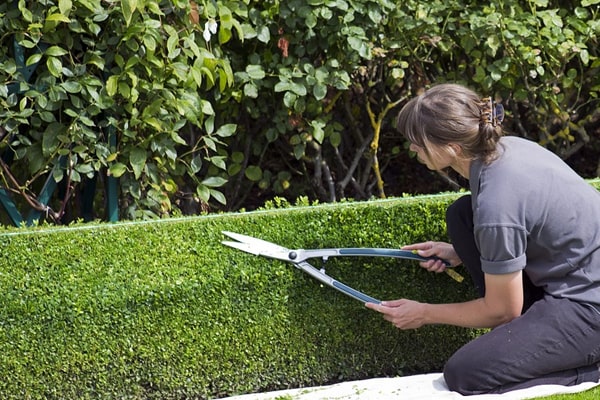
Shearing hedges is more than just a chore; it’s an art form that transforms your garden into a lush, manicured oasis. Whether you’re looking to maintain privacy, create a decorative border, or encourage healthy growth, knowing when to shear is crucial for optimal results. Timing can make all the difference—prune too early or too late, and you could risk damaging your plants or stunting their growth. So when should you grab those shears? Let’s dive deep into the world of hedge shearing and discover the best practices that will keep your greenery thriving year-round!
Understanding the Purpose of Hedge Shearing
Hedge shearing serves multiple purposes that go beyond mere aesthetics. At its core, it promotes healthy growth by encouraging new shoots and branches to emerge, which can enhance the overall density of the hedge.
Maintaining shape is another critical aspect. Regular shearing helps define borders and keeps hedges looking neat. This creates visual appeal while also ensuring that your garden space feels organized.
Additionally, well-maintained hedges provide privacy and act as windbreaks. They shield your property from unwanted views or harsh weather conditions.
Another purpose lies in pest control; properly shaped hedges are less likely to harbor pests compared to overgrown ones. This proactive approach contributes to a healthier garden ecosystem overall, making hedge shearing an essential gardening task for every green thumb.
Factors to Consider Before Shearing Hedges
Shearing hedges is more than just a routine task; it requires careful thought. Start by evaluating the species of your hedge. Different plants have varying growth patterns and responses to pruning.
Consider the season as well. Timing can significantly influence health and aesthetics. For example, some hedges bloom on old wood, while others thrive when pruned early in their growing cycle.
Weather conditions also play a crucial role. Avoid shearing during extreme temperatures or wet conditions that might stress the plant or create an ideal environment for disease.
Think about your desired shape and size. Do you want a formal look or a more natural appearance? The answer will dictate how aggressively you should proceed with your shearing plans.
The Best Time for Light Pruning
Light pruning is best done during the early spring months. This timing allows hedges to rejuvenate as they prepare for the growing season. It’s a great way to encourage new growth without stressing the plant.
Look for signs such as budding leaves or warmer weather before diving in. Your goal here is to shape and tidy up rather than drastically reduce height or volume.
Trimming during this period helps maintain the hedge’s health, enhancing air circulation and sunlight penetration. Aim for cuts just above leaf nodes; this promotes fuller regrowth.
Remember, every species has its own needs, so check specific recommendations for your plants. Keeping an eye on local weather patterns can also guide you in choosing the right moment within that window of early spring warmth.
The Best Time for Heavy Pruning
For heavy pruning, timing is crucial. Late winter or early spring often emerges as the best period. This window typically falls before new growth begins but after the harshest frost has passed.
During this time, plants are still dormant, which minimizes stress on them. Heavy cuts can stimulate healthy regrowth once temperatures rise.
It’s essential to assess your specific hedge type since some varieties have unique needs. If you’re unsure, a quick research session can clarify when your particular species thrives.
Heavy pruning encourages thicker foliage and enhances shape. However, it’s important not to overdo it; aim for no more than one-third of the plant’s total height or width in any single season.
Monitoring weather conditions also plays a significant role in successful shearing outcomes during this phase.
Tips for Proper Hedge Shearing Techniques
Using the right tools is essential for effective hedge shearing. Sharp, clean shears minimize damage to plants and ensure a precise cut. Invest in quality equipment tailored to your hedging needs.
Timing matters too. Shear during dry weather to avoid spreading disease through wet foliage. Early morning or late afternoon provides cooler temperatures, reducing stress on your plants.
Maintain an even shape by working from the bottom up. This technique prevents heavy branches from overshadowing smaller ones and encourages balanced growth throughout the hedge.
Don’t hesitate to step back frequently to assess your progress. A fresh perspective can help you spot uneven areas before they become a permanent feature of your garden.
Always wear protective gear like gloves and goggles while shearing. Safety first ensures that you enjoy gardening without injury or mishaps along the way.
Alternatives to Hedge Shearing
If hedge shearing feels too harsh for your garden, consider alternatives that promote natural growth. One option is selective pruning. This method involves removing specific branches to encourage a more organic shape while maintaining overall health.
Another approach is using plant growth regulators. These products can manage the size and growth rate of hedges without extensive trimming. They help keep plants in check with less manual effort.
Natural barriers like companion planting can also reduce the need for frequent shearing. By strategically placing other plants nearby, you create a thriving ecosystem that balances height and density naturally.
Let certain areas grow wild for biodiversity. Embracing some untamed sections not only supports local wildlife but also makes your landscape visually interesting without constant maintenance demands.
Conclusion
When it comes to hedge shearing, timing is everything. Understanding the purpose behind your pruning efforts will guide you in making informed decisions about when and how to shear. The factors influencing this choice include the type of hedge, its growth pattern, and regional climate.
Light pruning generally works best during early spring or late summer. This allows for healthy new growth while maintaining the shape of the hedge. Conversely, heavy pruning should occur in late winter or early spring before new buds form.
Employing proper techniques can enhance your results. Always use sharp tools and ensure clean cuts to promote healing. If you’re hesitant about traditional shearing methods, consider alternatives like selective pruning or allowing hedges to grow naturally.
By staying mindful of these guidelines and respecting nature’s rhythms, you can enjoy beautiful hedges that thrive throughout the seasons.