


Introduction to Home Care and its Importance
The landscape of healthcare is evolving rapidly, and at-home care is at the forefront of this transformation. Imagine a world where medical expertise is just a tap away, allowing individuals to receive personalized care right in the comfort of their own homes. With advancements in technology reshaping how we approach health management, it’s easier than ever for patients to maintain independence while ensuring they receive top-notch support.
- Introduction to Home Care and its Importance
- Advancements in Healthcare Technology for At-Home Care
- A. Telehealth Services
- B. Wearable Devices
- C. Smart Home Technology
- D. Robotic Assistance and Automation
- Benefits of Using Future Healthcare Technology for At-Home Care
- Challenges and Limitations
- The Role of Caregivers in Utilizing Technology for At-Home Care
- Case Studies: Real Life Examples of Successful
- how future healthcare technology is elevating at home care
- Conclusion
As more people embrace aging-in-place options and seek alternatives to traditional hospital stays, understanding how future healthcare technology is elevating at-home care becomes essential. From telehealth services that connect patients with doctors virtually to smart devices monitoring health metrics 24/7, innovation is making home-based care not only feasible but also efficient and effective. Let’s dive into the incredible ways technology is enhancing our ability to provide quality care from home.
Advancements in Healthcare Technology for At-Home Care
The landscape of at-home care is transforming, driven by groundbreaking advancements in healthcare technology. Telehealth services have surged in popularity, enabling patients to connect with doctors from the comfort of their homes. This convenience not only enhances access but also fosters better patient engagement.
Wearable devices are making a significant impact as well. These gadgets monitor vital signs and provide real-time data that empower both patients and healthcare providers to make informed decisions.
Smart home technology has emerged as an essential tool for enhancing safety and independence. Features like automated lighting and personalized alerts ensure that help is just a tap away.
Robotic assistance is adding another layer of support by helping individuals with daily tasks, reducing the strain on family caregivers while promoting autonomy among seniors or those with disabilities. Each innovation contributes uniquely to creating more sustainable and effective at-home care solutions.
A. Telehealth Services
Telehealth services are transforming how patients receive care from the comfort of their homes. With just a few clicks, individuals can connect with healthcare professionals via video calls or messaging platforms. This accessibility reduces travel time and helps those in remote areas access specialists.
Patients benefit from timely consultations, which can be crucial for managing chronic conditions or urgent health concerns. By eliminating barriers like transportation and wait times, telehealth fosters more consistent follow-ups and adherence to treatment plans.
Moreover, these services empower patients to take charge of their health. They feel more comfortable discussing sensitive issues in familiar surroundings. Telehealth’s flexibility also means appointments can fit into busy schedules without compromising on quality care.
As technology continues to evolve, telehealth will become even more integrated into daily routines—making healthcare not only convenient but also efficient for everyone involved.
B. Wearable Devices
Wearable devices are revolutionizing at-home care by providing real-time health monitoring. These gadgets can track vital signs like heart rate, blood pressure, and oxygen levels. This data is invaluable for both patients and healthcare providers.
Individuals can gain insights into their health status without frequent doctor visits. Alerts can notify users of any irregularities, prompting timely action when necessary.
Moreover, wearables enhance medication adherence. Many devices offer reminders to take medications on time. This feature ensures that individuals stick to their prescribed routines.
Fitness trackers go beyond medical applications too; they encourage physical activity and promote healthier lifestyles. Patients become more engaged in their own health management through gamification elements that many wearables include.
The integration of wearable technology empowers patients while easing the burden on caregivers with data-driven decision-making capabilities.
C. Smart Home Technology
Smart home technology is revolutionizing at-home care by creating an environment that prioritizes safety and convenience. Devices such as smart lights, thermostats, and security systems can be controlled remotely. This allows caregivers to monitor their loved ones more effectively.
Voice-activated assistants offer real-time communication help. They can remind patients to take medication or alert them when it’s time for appointments. These features empower individuals by fostering independence while ensuring support is always nearby.
Moreover, smart sensors track daily activities like movement patterns or door usage. Any irregularities can trigger alerts to family members or healthcare providers, enabling timely interventions if needed.
This integration of technology not only enhances the quality of care but also significantly reduces anxiety for both patients and caregivers alike. Smart home solutions are thus becoming essential tools in modern caregiving practices.
D. Robotic Assistance and Automation
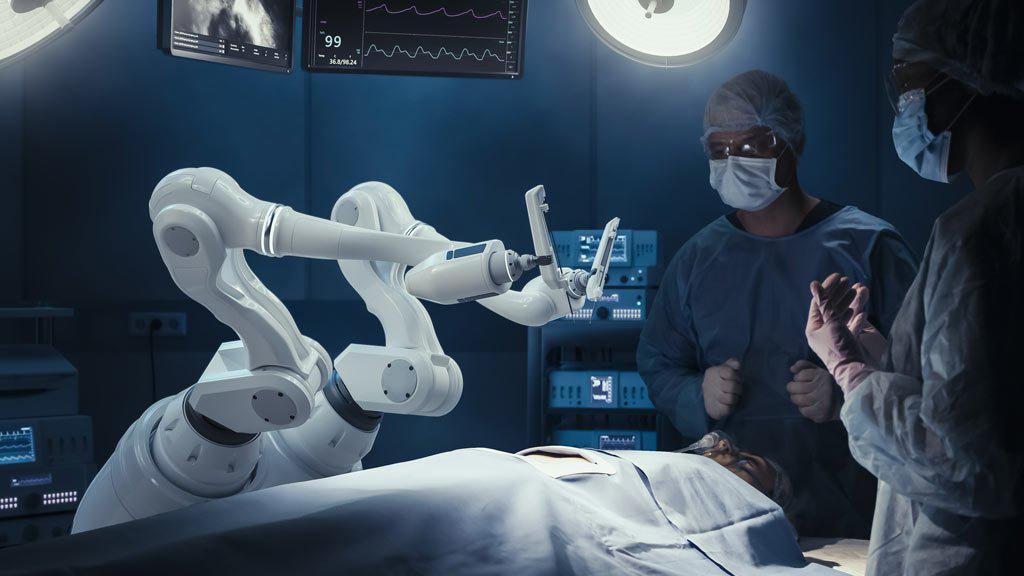
Robotic assistance is transforming at-home care in dynamic ways. These intelligent machines are designed to support daily activities, providing physical help where it’s needed most.
For instance, robotic exoskeletons enable individuals with mobility challenges to stand and move independently. This technology not only enhances the quality of life but also encourages greater participation in everyday tasks.
Home robots can assist with medication reminders, monitoring vital signs, or even offering companionship. They work quietly in the background, ensuring that users receive timely interventions without feeling overwhelmed by constant human oversight.
Automation plays a crucial role too. Systems can now manage household chores like cleaning or meal preparation efficiently. This allows caregivers more time to focus on emotional support and personal interactions rather than routine tasks.
As these technologies advance further, they promise an enriched environment for patients and families alike—making home care safer and more effective than ever before.
Benefits of Using Future Healthcare Technology for At-Home Care
The integration of future healthcare technology into at-home care brings numerous benefits, enhancing the overall patient experience. One significant advantage is improved access to medical professionals. Telehealth services allow patients to consult with doctors without leaving home, making healthcare more convenient.
Additionally, wearable devices provide real-time health monitoring. These gadgets track vital signs and alert caregivers to potential issues before they escalate. This proactive approach can lead to timely interventions.
Smart home technology also plays a crucial role in personalizing care. Automated reminders for medication or upcoming appointments help ensure adherence and reduce missed doses.
Moreover, robotic assistance aids mobility-challenged individuals by providing support in daily tasks. This not only enhances independence but also alleviates some burdens on family members and caregivers.
By embracing these technological advancements, families can create a safer and more efficient environment for those receiving care at home.
Challenges and Limitations
Despite the promising advancements in at-home healthcare technology, several challenges persist. One major issue is accessibility. Not all patients have reliable internet connections or the necessary devices to take advantage of telehealth services.
Additionally, there’s a steep learning curve associated with new technologies. Older adults may struggle to navigate apps and gadgets designed for health monitoring, which can hinder their ability to engage fully in their care.
Privacy concerns are another significant factor. With sensitive health data being transmitted online, ensuring robust cybersecurity measures is crucial yet complicated.
Moreover, not every home environment is suitable for sophisticated medical equipment. Space limitations and safety hazards can make it difficult to implement high-tech solutions effectively.
Integrating these technologies into existing healthcare systems remains daunting. Coordination between caregivers and tech providers often lacks efficiency, creating gaps that could impact patient care quality.
The Role of Caregivers in Utilizing Technology for At-Home Care
Caregivers play a pivotal role in the integration of technology into at-home care. They serve as the bridge between high-tech tools and patient needs.
Understanding how to use these technologies is essential. Caregivers must be trained on devices like telehealth platforms and wearable monitors. Their expertise ensures that patients receive optimal care while utilizing these advancements.
Communication is key. Caregivers can relay real-time data from devices back to healthcare providers, enhancing treatment plans based on accurate insights.
They also help patients adapt to new technologies, ensuring comfort and ease of use. This support fosters independence for individuals receiving care at home.
Moreover, caregivers often advocate for their clients by identifying which technologies best suit their needs. This personalized approach enhances trust and effectiveness in at-home care settings.
Case Studies: Real Life Examples of Successful
One inspiring example is a 72-year-old woman named Mary, who lives alone. After her heart surgery, she was hesitant about recovery at home. Her doctor recommended telehealth services and wearable devices to monitor her vital signs remotely.
With the help of a smartwatch that tracks her heart rate and activity levels, Mary gained confidence in managing her health. Weekly virtual check-ins with her healthcare provider provided reassurance and guidance.
Another case involves a family utilizing smart home technology for their elderly father suffering from dementia. They installed motion sensors and voice-activated systems to ensure his safety while allowing him independence.
Automated reminders helped him take medication on time, significantly improving his adherence to treatment without constant supervision. These stories highlight how future healthcare technology is elevating at-home care through practical solutions tailored to individual needs.
how future healthcare technology is elevating at home care
The landscape of at-home care is rapidly transforming. Emerging technologies are reshaping how patients receive medical attention and support in the comfort of their homes.
Telehealth services have made it easier for individuals to connect with healthcare professionals without leaving their living spaces. Virtual consultations streamline access to expert advice, reducing the need for travel.
Wearable devices track vital signs and health metrics in real-time. This data empowers caregivers to monitor conditions closely and respond proactively.
Smart home technology enhances safety and convenience. From automated medication dispensers to voice-activated systems, these innovations provide an extra layer of assistance.
Robotic assistance is also on the rise, offering physical support for mobility-challenged individuals. These advancements not only improve daily living but enhance overall quality of life as well.
As technology continues its evolution, at-home care will become increasingly efficient and personalized.
Conclusion
The evolution of at-home care is being significantly influenced by advancements in healthcare technology. From telehealth services to smart home integrations, these innovations are paving the way for enhanced patient experiences and better health outcomes. Telehealth allows patients to connect with their healthcare providers remotely, breaking geographical barriers and increasing access to timely medical advice.
Wearable devices have transformed how individuals monitor their health metrics daily. With real-time data tracking, users can take proactive steps toward better health management. Smart home technology adds another layer of convenience and safety, enabling families to create supportive environments tailored to individual needs.
Robotic assistance and automation also play a crucial role in providing help around the house or facilitating physical tasks that may be challenging for some patients. This not only improves quality of life but also offers peace of mind for caregivers who might otherwise feel overwhelmed.
However, it’s essential to acknowledge the challenges that come with integrating new technologies into everyday care routines. Issues such as data privacy concerns, cost barriers, and varying levels of technological literacy among both patients and caregivers must be addressed as we navigate this rapidly evolving landscape.
Caregivers will remain vital players in ensuring these technologies serve their intended purpose effectively. Their unique insight into patient needs bridges gaps between high-tech solutions and human touch.
As we look towards the future, case studies exemplifying successful implementations highlight what is possible when innovative technology melds seamlessly with compassionate care. The transformation happening today showcases an exciting pathway forward—one where future healthcare technology continues elevating at-home care practices while enhancing lives across generations.